When your well system fails unexpectedly, every minute counts. Whether it's a complete loss of water pressure, contaminated water supply, or a malfunctioning pump in the middle of winter, these emergencies demand immediate professional attention. Summit County homeowners, property managers, and business owners understand that reliable access to clean water isn't just a convenience—it's essential for daily operations, health, and safety.
The challenge lies not in recognizing the urgency of well emergencies, but in choosing the right service provider when time is of the essence. With numerous companies offering emergency well service in Summit County, making an informed decision while under pressure can feel overwhelming. The stakes are high: selecting the wrong provider could mean prolonged water outages, recurring problems, or unexpected costs that strain your budget.
This comprehensive guide examines the landscape of emergency well services available to Summit County residents and businesses. We'll explore the critical factors that separate exceptional providers from mediocre ones, analyze cost structures, and provide practical insights to help you make confident decisions. Whether you're currently facing an emergency or planning ahead for potential issues, understanding your options now will save valuable time and money when urgent situations arise.
Introduction to Emergency Well Services
Emergency well services encompass a comprehensive range of urgent interventions designed to restore water access and system functionality when standard well operations fail. These specialized services address critical situations that cannot wait for regular business hours or scheduled appointments. Unlike routine maintenance, emergency well service in Summit County operates around the clock, providing immediate response to water system failures that threaten property safety, business operations, or basic household needs.
The scope of emergency well services extends far beyond simple repairs. Professional providers offer diagnostic services to identify root causes, emergency water restoration to provide temporary solutions, and complete system overhauls when necessary. These services include emergency pump replacement, electrical system repairs, pressure tank restoration, and contamination response. Many providers also offer emergency water testing to ensure safety after system repairs, recognizing that restored water flow means little if the water quality has
been compromised.
Quick response times distinguish emergency services from standard plumbing calls. When wells
fail, the consequences multiply rapidly. Businesses face operational shutdowns, families lose access to drinking water and sanitation, and property damage from related system failures becomes increasingly likely. Professional emergency well services understand these cascading effects and prioritize rapid deployment of qualified technicians equipped with diagnostic tools and common replacement parts.
Common well issues requiring emergency intervention include complete pump failures, electrical system malfunctions, pressure tank ruptures, and contamination events. Seasonal challenges in Summit County, such as frozen pipes during harsh winters or power outages affecting electric pumps, create additional emergency scenarios. Understanding these common failure points helps property owners recognize when professional emergency intervention is
necessary versus situations that might wait for regular service hours.
Criteria for Choosing the Right Service
Selecting the optimal emergency well service provider requires evaluating multiple critical factors that directly impact both immediate problem resolution and long-term satisfaction.
Response time stands as the most crucial consideration, as extended water outages create compounding problems for households and businesses. Top-tier providers guarantee response
times within two to four hours, while exceptional companies often arrive within one hour of initial contact. However, true availability means more than fast response—it requires maintaining fully equipped service vehicles, stocked parts inventories, and qualified technicians ready for deployment at any hour.
Experience and qualifications separate competent providers from exceptional ones. Look for companies with specific well system expertise, not general plumbers who occasionally work on wells. Qualified technicians should hold relevant certifications, including water system installation licenses and pump repair specializations. Years of experience in Summit County's
unique geological conditions provide invaluable insights into local well challenges, seasonal issues, and effective long-term solutions. Companies with established track records demonstrate their ability to handle diverse emergency scenarios efficiently.
Pricing transparency becomes especially important during emergency situations when homeowners and business owners feel vulnerable to inflated charges. Reputable providers offer clear emergency service rates, explain additional costs upfront, and provide detailed estimates
before beginning extensive work. While emergency services naturally cost more than scheduled appointments, ethical companies maintain reasonable pricing structures and avoid exploiting urgent situations. Request information about after-hours rates, minimum service charges, and parts markup policies before emergencies occur.
Customer reviews and reputation provide genuine insights into service quality, reliability, and professionalism. Focus on reviews specifically mentioning emergency situations, as these reflect performance under pressure. Pay attention to comments about technician expertise, problem resolution effectiveness, and follow-up service quality. Local business reputation within
Summit County matters significantly, as established companies depend on community relationships and repeat customers.
Warranty and after-service support demonstrate provider confidence in their work quality and commitment to customer satisfaction. Comprehensive warranties cover both labor and parts,
while extended support includes follow-up inspections and system performance monitoring.
Companies offering maintenance plans often provide priority emergency response to existing
customers, creating additional value for ongoing relationships.
Comparison of Leading Emergency Well
Service Providers in Summit County
The Summit County emergency well service market features several established providers, each offering distinct advantages and service approaches. Understanding these differences enables informed decision-making when selecting the most appropriate provider for your specific needs and circumstances.
Provider A: Regional Well Specialists
This established company focuses exclusively on well systems and water treatment, bringing deep expertise to every emergency call. Their technicians undergo specialized training in modern well technology, pump systems, and water quality management. The company maintains extensive parts inventories for major pump brands and pressure system components, enabling same-visit repairs for most common failures.
Strengths include exceptional technical expertise, comprehensive diagnostic equipment, and strong relationships with equipment manufacturers. Their emergency response typically occurs within 90 minutes, and technicians arrive with fully equipped service vehicles. The company offers transparent pricing with detailed written estimates and provides comprehensive warranties on both parts and labor.
However, their specialized focus means higher service rates compared to general plumbing companies. Their service area concentrates on Summit County and immediate surrounding regions, potentially limiting availability during widespread emergency events. Additionally, their premium positioning may not suit budget-conscious customers seeking basic emergency repairs.
Provider B: Full-Service Plumbing with Well Expertise
This versatile company combines general plumbing services with dedicated well system capabilities, offering comprehensive water system solutions. Their broader service range enables handling complex emergencies involving both well systems and household plumbing connections. The company maintains multiple service teams, improving availability during peak demand periods.
Key advantages include competitive pricing due to their diversified service model, ability to address related plumbing issues during well repairs, and established relationships with local suppliers. Their technicians possess general plumbing expertise alongside well-specific knowledge, enabling comprehensive problem-solving approaches. Emergency response typically occurs within two hours, with weekend and holiday availability.
Limitations include potentially less specialized well expertise compared to dedicated well companies. During busy periods, well emergencies might compete with general plumbing calls for technician availability. Their parts inventory may not include specialized well components, potentially requiring additional service visits for complex repairs.
Provider C: National Franchise with Local Operations
This nationally-recognized franchise operates local Summit County offices while leveraging corporate resources and standardized service protocols. Their systematic approach ensures consistent service quality and comprehensive technician training. Corporate backing provides access to specialized equipment and extensive parts networks.
Advantages include standardized pricing structures, comprehensive insurance coverage, and proven service methodologies. Their corporate training programs ensure technicians meet consistent qualification standards, while national purchasing power often translates to competitive parts pricing. Emergency response protocols are well-established, with clear
communication procedures and follow-up systems.
Drawbacks include potentially less flexibility in pricing or service approaches due to corporate
policies. Local decision-making may be limited, affecting customized solutions for unique situations. Technician turnover might be higher due to corporate employment structures, potentially impacting relationship continuity with repeat customers.
Key Differences and Service Approaches
The primary distinctions among these providers center on specialization depth, pricing structures, and service flexibility. Specialized well companies typically offer superior technical expertise and comprehensive parts availability but at premium pricing. Full-service plumbing companies provide competitive rates and broader capabilities but may lack deep well system specialization. National franchises offer consistency and corporate backing while potentially sacrificing local flexibility and personalized service approaches.
Response time variations reflect different operational models and resource allocation strategies.
Companies with dedicated emergency teams typically achieve faster response times, while those balancing multiple service types may experience delays during peak periods. Geographic coverage areas also vary, with some providers focusing intensively on Summit County while others serve broader regional markets.
Cost Breakdown of Emergency Well
Services
Understanding emergency well service costs helps property owners make informed decisions and budget appropriately for unexpected repairs. Emergency service rates typically include base service charges, hourly labor rates, parts costs, and additional fees for after-hours or holiday calls. In Summit County, emergency service calls generally range from $150 to $300 for initial diagnostic visits, with additional charges for repairs and parts.
Labor rates for emergency well services typically exceed standard plumbing rates due to specialized expertise requirements and after-hours availability. Expect hourly rates between $120 and $200, with premium charges for nights, weekends, and holidays. Many providers implement minimum service charges covering the first hour or two of work, ensuring cost-effectiveness for their emergency response capabilities.
Parts costs vary significantly based on well system components and quality levels. Common emergency repairs include pump replacements ($300-$1,200), pressure tank installations ($200-$600), and electrical component repairs ($100-$500). Quality well pumps from reputable manufacturers cost more initially but provide superior longevity and reliability. Some providers offer parts warranties separate from labor warranties, affecting long-term value considerations.
Several factors influence total emergency service costs beyond basic rates and parts. System accessibility affects labor time requirements, with difficult-to-reach wells increasing service duration. Age and condition of existing systems impact repair complexity and parts availability.
Seasonal factors, particularly winter conditions in Summit County, may require additional equipment or safety measures that increase service costs.
Geographic location within Summit County can affect emergency service availability and pricing.
Rural properties with longer travel times may incur additional charges, while areas with multiple service providers often maintain competitive pricing. Property type also influences costs, as commercial and multi-unit residential systems typically require more extensive repairs and higher-capacity components.
To obtain accurate cost estimates, provide detailed information about your well system, including pump type, age, and recent performance issues. Request written estimates before authorizing extensive repairs, and clarify warranty terms for both parts and labor. Consider establishing relationships with preferred providers before emergencies occur, as existing customers often receive priority service and preferential pricing for emergency calls.
The Importance of Preventive
Maintenance
Preventive maintenance represents the most effective strategy for minimizing emergency well service needs while ensuring reliable water system performance. Regular maintenance identifies potential problems before they become critical failures, enabling planned repairs during convenient times rather than urgent emergency situations. Well-maintained systems operate more efficiently, consume less energy, and provide longer service life for major components like pumps and pressure tanks.
Comprehensive maintenance programs include annual system inspections, water quality testing, pump performance evaluation, and pressure system analysis. Professional technicians assess electrical connections, examine pump housing for wear or damage, and verify proper pressure tank operation. These systematic evaluations identify developing issues such as declining pump efficiency, pressure fluctuations, or electrical connection deterioration that could lead to complete system failures.
The cost-effectiveness of preventive maintenance becomes apparent when comparing routine service expenses to emergency repair costs. Annual maintenance typically costs between $150 and $300, while emergency repairs often exceed $500 and can reach several thousand dollars for major component replacements. Additionally, planned maintenance allows for competitive pricing research and scheduled service appointments, avoiding premium emergency rates and after-hours charges.
Regular maintenance extends beyond cost savings to encompass water quality assurance and system reliability. Routine testing identifies contamination issues before they affect household water supplies, while systematic inspections prevent catastrophic failures that could damage property or create health hazards. Maintained systems provide consistent water pressure and flow rates, supporting comfortable daily routines and efficient appliance operation.
Seasonal maintenance considerations are particularly important in Summit County's climate.
Pre-winter inspections ensure systems can handle freezing temperatures and potential power outages, while spring evaluations assess any weather-related damage and prepare systems
for increased summer usage. Professional maintenance providers understand local seasonal challenges and incorporate appropriate preventive measures into their service protocols.
Many emergency well service providers offer maintenance contracts that include priority emergency response for existing customers. These programs often feature discounted
emergency rates, extended warranties on maintenance-related repairs, and scheduled reminder systems for routine service appointments. Establishing ongoing maintenance relationships also provides familiarity with your specific well system, enabling more efficient emergency response when urgent situations do arise.
Customer Testimonials and Case
Studies
Real-world experiences provide valuable insights into emergency well service quality and provider performance under pressure. These testimonials and case studies illustrate the practical differences between service providers and highlight the importance of choosing qualified professionals for emergency situations.
Case Study 1: Winter Pump Failure Resolution
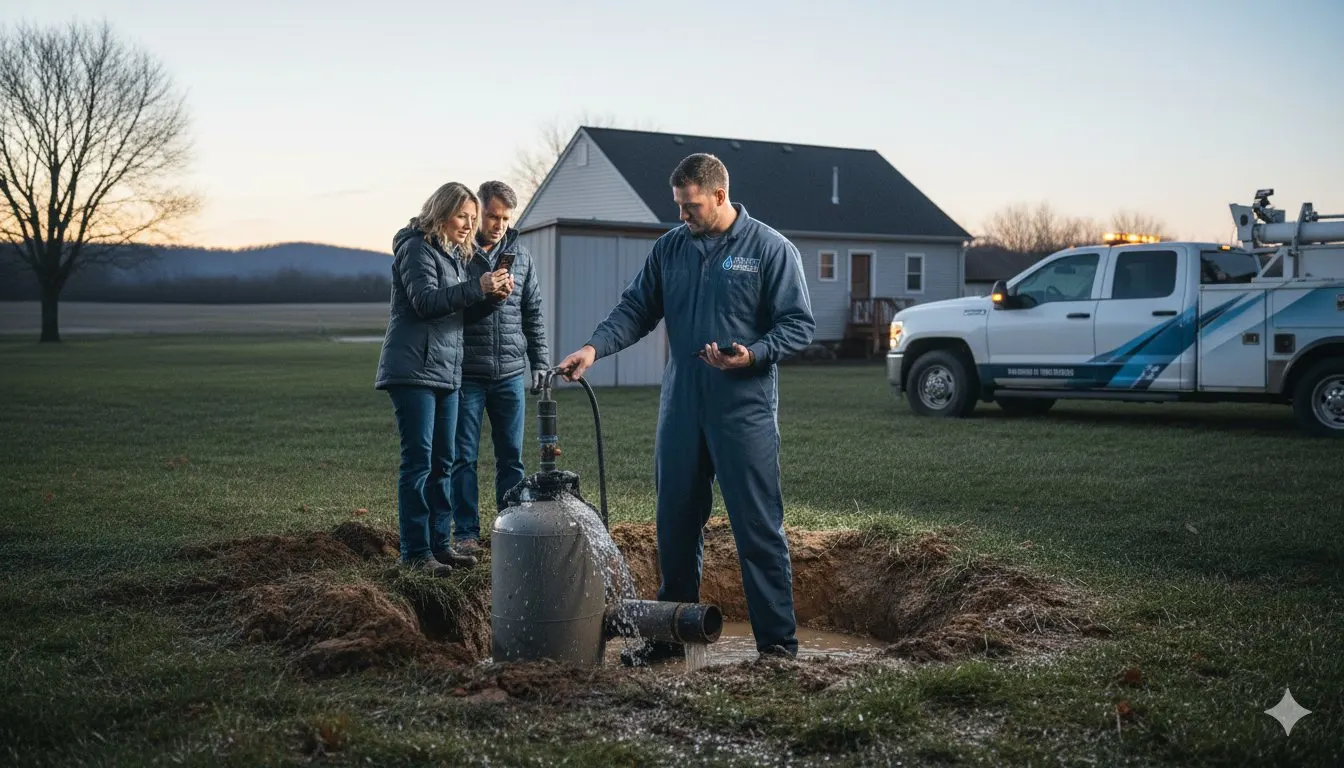
A Summit County family experienced complete water loss during a February cold snap when their submersible pump failed after twenty years of service. Their chosen emergency provider responded within 45 minutes despite challenging weather conditions. The technician quickly diagnosed the pump failure, explained replacement options, and provided a detailed cost estimate. Within four hours, a new high-efficiency pump was installed and the system was fully operational.
The homeowner particularly appreciated the technician's explanation of pump sizing and efficiency options, enabling an informed decision about long-term system improvements.
Follow-up service included water quality testing and system performance verification. The provider's comprehensive warranty covered both the pump and installation work, providing peace of mind for the significant investment.
Case Study 2: Commercial Property Emergency Response
A local business faced a pressure tank rupture on a Friday evening, threatening weekend operations and customer service. The emergency well service provider arrived within two hours and immediately implemented temporary pressure regulation to restore basic water service. Over the weekend, they installed a larger capacity pressure tank system designed to handle the business's peak demand requirements.
The business owner emphasized the provider's understanding of commercial needs and their ability to minimize operational disruption. Transparent pricing and detailed documentation supported insurance claim processing, while the upgraded system actually improved overall performance compared to the original installation.
Case Study 3: Contamination Event Management
Following storm damage to a well head, a property owner discovered contaminated water supplies requiring immediate attention. The emergency service provider coordinated water testing, implemented temporary filtration, and managed complete well head reconstruction.
Their systematic approach included working with health department officials and managing insurance documentation requirements.
This complex emergency highlighted the importance of choosing providers with experience in contamination response and regulatory compliance. The customer noted that less experienced providers might have focused only on mechanical repairs without addressing water safety concerns or regulatory requirements.
These examples demonstrate that successful emergency well service extends beyond simple repairs to encompass comprehensive problem-solving, clear communication, and long-term system improvement considerations.
Conclusion and Recommendations
Selecting the right emergency well service in Summit County requires balancing multiple factors including response time, technical expertise, pricing transparency, and long-term reliability. The most effective approach involves researching providers before emergencies occur, establishing relationships with qualified professionals, and understanding your well system's specific requirements and potential vulnerabilities.
The comparison of Summit County providers reveals that no single company excels in every category, making your choice dependent on personal priorities and specific circumstances.
Property owners prioritizing technical expertise and comprehensive warranties might prefer specialized well service companies despite higher costs. Those seeking competitive pricing and broader service capabilities might choose full-service plumbing companies with well expertise.
National franchises offer consistency and corporate backing for customers valuing standardized service approaches.
Cost considerations should encompass both emergency service rates and long-term value through quality workmanship and reliable components. While emergency situations create pressure to accept the first available service, understanding typical pricing ranges and service standards enables better decision-making even under urgent circumstances. Preventive maintenance remains the most effective strategy for minimizing emergency service needs while ensuring optimal system performance.
The importance of establishing provider relationships before emergencies cannot be overstated.
Maintenance contracts, service history, and familiarity with your specific well system enable more efficient emergency response and often include priority service benefits. Regular maintenance also provides opportunities to evaluate provider performance and build confidence in their emergency capabilities.
For Summit County property owners seeking reliable emergency well services backed by professional expertise and transparent pricing, K and K Plumbing Ohio offers comprehensive plumbing solutions including emergency response capabilities. Our experienced technicians understand local conditions and provide honest assessments with competitive pricing.
Contact us at 330-875-8003 or visit https://kandkplumbingoh.com/ to discuss your emergency plumbing needs and learn about our maintenance programs that help prevent costly emergency situations.
Have a question about this topic? Contact K & K Plumbing or call 330-875-8003 for a free estimate.