Natural Gas Line Installation and Repair in Stark County, OH
Every gas furnace, water heater, range and fireplace in your home depends on piping that has to be sized, joined and tested correctly. K & K Plumbing handles natural gas line installation and repair for homes and businesses across Stark County, Summit County and the surrounding area, from a single appliance stub-out to a full re-pipe. Our shop is in East Canton, and every estimate is free.
Natural gas piping starts at the utility meter. Everything on the house side of the meter belongs to the property owner, and that is the part we install, extend, repair and test. The utility handles the service line and the meter itself, so a good gas fitter knows where that boundary sits and coordinates when work touches it.
Most of our gas jobs fall into a handful of categories. Some are small, like a new shutoff valve. Others mean running new pipe the length of a basement or trenching a line out to a detached garage.
New branch lines for ranges, dryers, water heaters, furnaces, boilers and fireplaces
Extending or rerouting piping during kitchen, basement and laundry remodels
Leak location and repair on threaded, flexible and buried piping
Replacing corroded pipe, outdated flexible connectors and seized valves
Outdoor lines for grills, fire pits, patio heaters and pool heaters
Lines to detached garages, workshops and outbuildings
Pressure testing before a system is put back into service
Warning Signs of a Gas Line Problem
Natural gas has no smell on its own. Utilities add an odorant that smells like rotten eggs or sulfur so that leaks are noticeable. If that smell is strong, or you hear a hiss near piping or an appliance, leave the building first. Do not flip switches, start a car in an attached garage or use a phone inside. Once you are outside, call your gas utility or 911. After the utility makes the area safe and shuts off the gas, we can locate the failure and make the repair.
Many gas problems are quieter than a strong odor. These are the signs that usually lead a homeowner to call us for a closer look:
A faint gas odor near the meter, a water heater or behind the range
Bubbling in standing water or a patch of dead grass over a buried line
Pilot lights that keep going out or burners with weak, yellow or lazy flames
A gas bill that climbs without a change in how you use your appliances
Rust, flaking or pitting on black iron pipe, especially in damp basements
Old uncoated brass connectors behind ranges and dryers
A home inspection report that flags missing sediment traps, shutoffs or support
Residential and Commercial Gas Piping Needs
The basics of safe gas piping are the same in a bungalow and a commercial building, but the scale and the scheduling differ.
Homes
Stark County housing ranges from century-old city homes with original piping to new subdivisions plumbed with flexible tubing. In older homes we often find piping that was added in pieces over many years, with each new appliance tapped off whatever line was closest. That works until someone adds a high-demand appliance, such as a tankless water heater or a larger range, and the old branch can no longer deliver enough gas. Part of our job is figuring out whether the existing system can carry the new load or needs a properly sized run back toward the meter.
Businesses
Restaurants, shops, churches, warehouses and multi-unit buildings tend to have more appliances, longer runs and higher demand. Commercial kitchens need lines that hold steady pressure while every burner and fryer is lit. Garages and warehouses often run suspended unit heaters fed by overhead piping. We plan this work around your hours where we can, label shutoffs clearly, and leave the system documented so the next person who works on it knows what they are looking at.
How We Install and Repair Gas Lines
Our process follows the same three steps we use for every job: you connect with us for a free estimate, you approve the project specifications, and the work is completed and checked with a quality inspection. Here is what that looks like on a gas line project.
Assessment: we trace the existing piping, note pipe sizes and lengths, and add up the input ratings of every appliance on the system.
Sizing and layout: we calculate the pipe size the load requires and plan a route that is protected, supported and accessible.
Permits and utility coordination: where the work requires a permit or inspection, we handle the paperwork and schedule around it.
Installation: new pipe is cut, threaded or fitted, supported at proper intervals, and finished with a shutoff valve and sediment trap at each appliance.
Testing: the system is pressure tested and checked for leaks before the gas is turned back on.
Relight and cleanup: pilots are relit, appliances are checked for proper operation, and the work area is left clean.
Pipe Materials and Options
The right material depends on where the pipe runs and what it feeds. We install and repair all of the common types used in Ohio homes and commercial buildings, and we will explain the tradeoffs before you approve the job.
Black iron (steel) pipe
The long-standing standard for interior gas piping. It is durable and easy to inspect, though it takes more labor to thread and fit, and it can rust in damp spaces if left unprotected.
Corrugated stainless steel tubing (CSST)
Flexible tubing with a yellow or black jacket that can be pulled through walls and joists with fewer fittings. It is popular in newer construction and remodels. CSST must be bonded to the electrical grounding system as the manufacturer specifies, and we check that bonding whenever we work on it.
Polyethylene yard pipe
Yellow plastic pipe is used for buried runs to outbuildings, grills and pool heaters. It is installed below grade with a tracer wire so it can be located later, and it transitions to metal pipe before coming above ground.
Preparing for Gas Work and Keeping Lines Safe
Before we arrive, clear a path to the meter, the appliances involved and the route the new line will take. If the job includes digging, Ohio law requires a call to 811 so buried utilities can be marked; we take care of that for projects we trench. Expect the gas to be off for part of the visit, so plan on cold water and no cooking until pilots are relit.
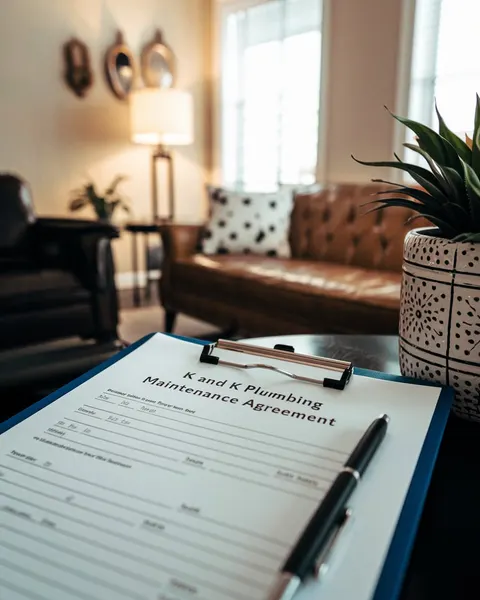
Gas piping does not need much attention, but it should not be ignored. Keep storage away from exposed lines, never hang anything from gas pipe, and watch for rust in basements that stay damp. Make sure everyone in the house knows where the meter shutoff is. A periodic check of connectors, valves and the meter area is a sensible habit. Our Residential Plumbing Maintenance Agreement includes an annual inspection, priority service and 10% off labor and materials, which covers this kind of routine look.
Integrity is the cornerstone of K & K Plumbing. We keep our promises, and these are the commitments we make on every job:
To stay on top of your project from start to finish, ensuring complete satisfaction.
To set and meet all deadlines for the duration of the entire project.
To protect and prepare your home before and during all work.
To protect and prepare your home after every plumbing project.
To accurately price your job so your project is free from hidden costs.
How it works
It should be easy to get the results you want
Estimate
Connect with us to set up an appointment
Reach out and we respond promptly. We listen to what you need, assess your plumbing, and walk you through your options so the estimate is accurate and fair.
Specifications
Approval of project specifications
Every job is planned around your home’s layout and condition, your goals and your budget. Nothing starts until you’ve approved the plan.
Work + inspection
Building your project + quality inspection
Our plumbers work efficiently and carefully, then inspect the finished job so you get a reliable, durable result.
Frequently Asked Questions
How do I know if my gas line is leaking?
A rotten-egg smell, a hissing sound, bubbles in wet soil or dead grass over a buried line are the common signs. If the odor is strong, get everyone outside and call your gas utility or 911 from a safe distance. For a faint or intermittent smell, we can pressure test the piping and pinpoint the leak.
Do I need a new gas line for a new gas appliance?
Often you do, at least a new branch and shutoff. Swapping like for like may only need a new connector. Adding an appliance, or replacing one with a higher input rating, means the piping has to be checked for size. Undersized piping causes weak flames, poor performance and nuisance shutdowns.
What kind of pipe is used for natural gas lines?
Interior lines are usually black iron pipe or CSST flexible tubing. Buried lines are typically polyethylene. Copper is not generally used for natural gas piping in this area. We choose the material based on the route, the load and what is already in the home.
Is a permit needed for gas line work?
New gas piping and appliance installations usually require a permit and inspection, depending on your community. We find out what your city or township requires and handle the permit process as part of the job.
How long does a gas line installation take?
A simple appliance branch is often done in a few hours. Longer runs, buried lines and whole-house re-piping can take a day or more, plus any inspection scheduling. Your free estimate will include a realistic timeline.
Save more today
K & K Plumbing Residential Plumbing Maintenance Agreement
An affordable way to keep your plumbing in top shape, cut down on surprise repairs and extend the life of your equipment.
Enjoy the reliable plumbing your home and family deserve with K and K Plumbing
We prioritize your satisfaction by delivering quality plumbing solutions tailored to your needs, carried out with precision, professionalism and dedication to excellence.