Propane Gas Line Installation and Repair Across Stark County
Plenty of Stark County homes, farms and shops sit beyond the reach of a natural gas main, and propane fills that gap for heat, hot water, cooking and backup power. K & K Plumbing installs and repairs propane gas lines from the tank connection to every appliance, for residential and commercial properties throughout the county and neighboring areas.
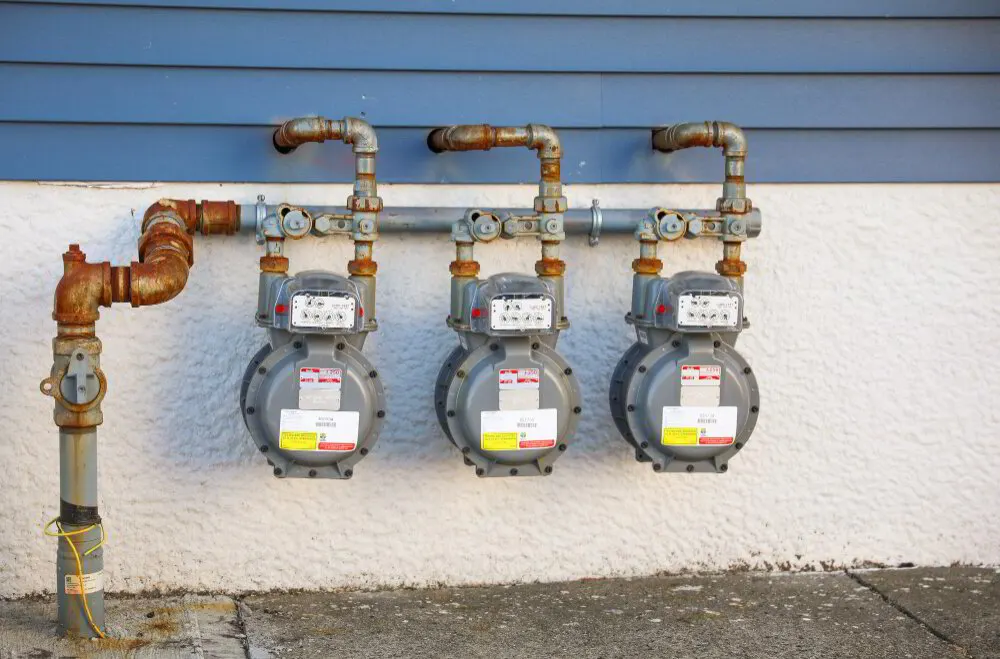
A propane system has more moving parts than people expect. The tank stores liquid fuel under pressure, a first-stage regulator near the tank drops that pressure, a buried or surface yard line carries vapor to the building, and a second-stage regulator at the wall brings it down to the low pressure household appliances use. Inside, a network of branch lines feeds the furnace, water heater, range, dryer, fireplace and anything else that burns gas.
We handle the piping side of that system: new runs, extensions, repairs, replacements and appliance connections. In most arrangements your propane supplier owns or services the tank and fills it, so we coordinate with them on setting the tank, first-stage regulation and the final turn-on.
Buried yard lines from the tank to the house, garage or outbuilding
Interior piping in black iron or CSST, sized for the full appliance load
Second-stage regulator installation and replacement
New branch lines for ranges, dryers, fireplaces, generators and grills
Leak detection, repair and full system pressure tests
Appliance hookups with shutoff valves and sediment traps
Warning Signs That Call for a Plumber
Propane is odorized with a sulfur smell much like rotten eggs. If you smell it, leave the building, avoid switches and open flames, and call your propane supplier or 911 from outside. Because propane vapor is heavier than air, it settles into basements, crawlspaces and low spots rather than drifting up and out, which makes a basement leak more dangerous than many homeowners realize.
Not every problem announces itself with an odor. Odorant can fade in a new tank or be absorbed into soil around a buried leak. Other signs worth a call include:
A tank that empties faster than your usage explains
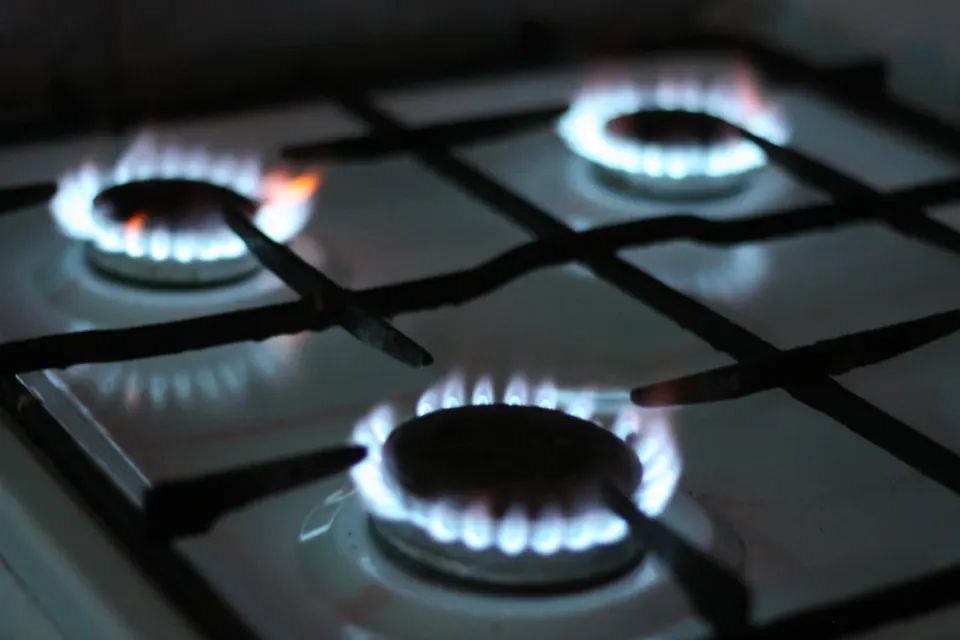
Yellow, lazy or sooty burner flames instead of crisp blue ones
Pilot lights that go out or burners that drop when several appliances run
Dead or discolored grass in a line along the buried yard line
Hissing near a regulator, valve or fitting
Rust, scale or frost forming on the regulator or exposed pipe
Residential and Commercial Propane Needs
For homes, the work usually centers on reliable heat and convenience. Families add a gas range, move from an electric dryer, install a gas fireplace or log set, or put in a standby generator that needs a dedicated supply. Each addition raises total demand, so we check whether the existing yard line and regulator can carry the new load before tying anything in.
Commercial properties bring bigger burners and longer runs. Farm shops, garages, churches, small restaurants and warehouses outside the gas mains may use propane for unit heaters, cooking equipment and water heating. Those systems often need larger pipe, higher-capacity regulators and clear shutoff labeling so staff can isolate equipment safely.
How We Handle a Propane Line Project
Every job starts with a free estimate. We walk the property, note the tank location and every appliance you have or plan to add, and measure the run lengths. With those numbers we size the pipe so the farthest appliance still gets full pressure when everything is firing at once.
Once you approve the specifications, we install or repair the lines, coordinating any trenching, wall penetrations and supplier visits. Before anything is turned on, the system gets a pressure test to confirm it holds tight. After the supplier introduces gas, we light and check appliances, confirm burner flames look right, and show you where each shutoff sits. A final quality inspection wraps up the job.
Pipe Materials and Options
The right material depends on where the pipe runs and what it has to feed. Here is how we typically approach the main pieces of a propane system.
Underground yard lines
Most new buried propane lines are polyethylene gas pipe laid with a tracer wire so the route can be located later. Polyethylene does not rust, which is a real advantage over the bare steel and copper lines found at many older properties. Where the pipe rises out of the ground at the house, a transition riser connects it to the above-grade piping.
Interior piping
Black iron remains the workhorse for exposed basement runs and commercial work. Corrugated stainless steel tubing (CSST) is flexible, fast to route through finished walls, and must be properly bonded to the electrical grounding system. We pick based on the route, the building and your plans for future additions.
Appliance conversions
Propane burns at a higher pressure and heating value than natural gas, so an appliance built for natural gas needs the manufacturer's conversion parts, usually new orifices and a regulator adjustment, before it can run on propane. Skipping that step leads to oversized flames, soot and carbon monoxide risk.
Preparation and Ongoing Care
Before installation day, clear a path to the tank and to the spot where the line will enter the house, and mark any septic tanks, leach fields, sprinkler lines or buried wiring you know about. Ohio requires a call to 811 before digging so public utilities can be marked. Plan to have pets indoors and vehicles moved if trenching is involved.
After the work is done, a few habits keep the system safe. Keep snow and ice off the regulator vent so it can breathe, and do not let the tank run empty, since many suppliers require a leak check before refilling a tank that ran dry. Consider propane detectors mounted low near the floor in basements. Our plumbing maintenance plan includes an annual inspection where we can look over exposed gas piping along with the rest of your plumbing.
Related Gas Services
Propane piping often goes hand in hand with appliance work. If your property is on a utility main instead, see our natural gas line services. We also install gas water heaters and gas log sets that can run on either fuel with the correct configuration.
Propane Gas Line Installation & Repair near you
Local pages for the communities we serve most often.
Integrity is the cornerstone of K & K Plumbing. We keep our promises, and these are the commitments we make on every job:
To stay on top of your project from start to finish, ensuring complete satisfaction.
To set and meet all deadlines for the duration of the entire project.
To protect and prepare your home before and during all work.
To protect and prepare your home after every plumbing project.
To accurately price your job so your project is free from hidden costs.
How it works
It should be easy to get the results you want
Estimate
Connect with us to set up an appointment
Reach out and we respond promptly. We listen to what you need, assess your plumbing, and walk you through your options so the estimate is accurate and fair.
Specifications
Approval of project specifications
Every job is planned around your home’s layout and condition, your goals and your budget. Nothing starts until you’ve approved the plan.
Work + inspection
Building your project + quality inspection
Our plumbers work efficiently and carefully, then inspect the finished job so you get a reliable, durable result.
Frequently Asked Questions
Who is responsible for the tank and who handles the piping?
Arrangements vary, but in many cases the propane supplier owns or services the tank and the first-stage regulator, while the homeowner is responsible for the piping from there to the appliances. We handle that piping and coordinate with your supplier on the tank side.
Can I hook a natural gas appliance to my propane line?
Only after it has been converted with the manufacturer's propane kit. The orifices and regulator settings differ between the two fuels, and running an unconverted appliance on propane can produce large, sooty flames and carbon monoxide.
How do I know if my yard line is leaking underground?
Common clues are a tank that drains faster than normal, a faint odor outdoors, bubbling in puddles over the line, or a strip of dead grass. We can isolate and pressure test the yard line to confirm whether it is losing gas.
Do you test new propane piping before it is used?
Yes. Every new or repaired system is pressure tested before gas is introduced, and appliances are checked after turn-on to confirm proper flame and operation.
Can one propane system feed my house and a detached garage?
Usually, yes. We size the yard line and regulators for the combined load and run a branch to the second building, often with its own shutoff so it can be isolated separately.
Save more today
K & K Plumbing Residential Plumbing Maintenance Agreement
An affordable way to keep your plumbing in top shape, cut down on surprise repairs and extend the life of your equipment.
Enjoy the reliable plumbing your home and family deserve with K and K Plumbing
We prioritize your satisfaction by delivering quality plumbing solutions tailored to your needs, carried out with precision, professionalism and dedication to excellence.