Essential Plumbing Maintenance Tips: Keep Your Home's Pipes Flowing
When it comes to maintaining your property, few systems are as critical—or as overlooked—as your plumbing. Whether you're a homeowner protecting your…
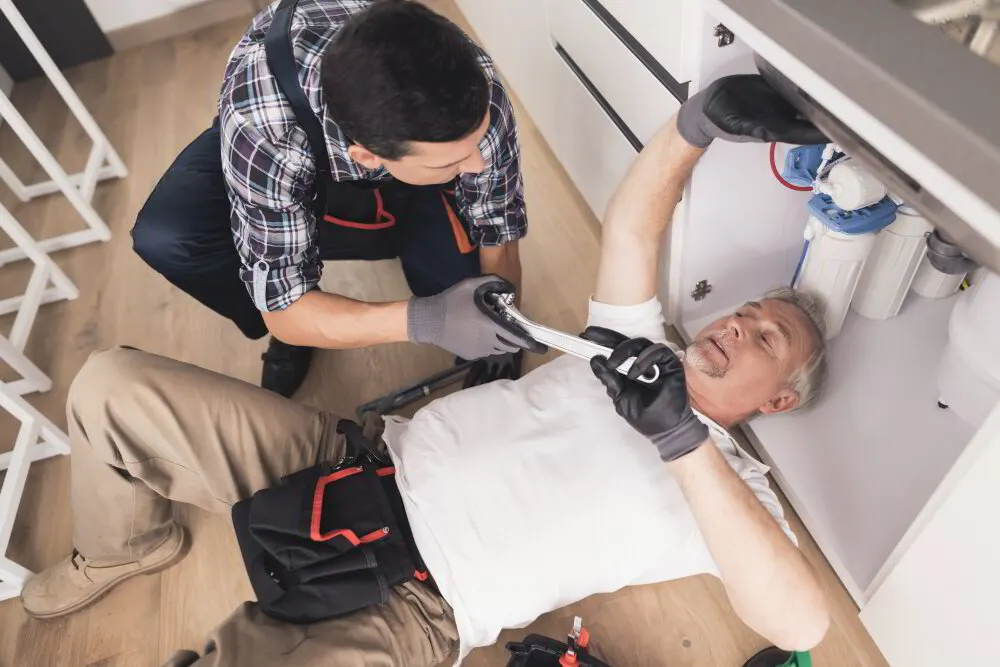
Repiping means replacing the water supply lines in a building instead of chasing one leak after another. K & K Plumbing handles whole-house and partial repipes from our East Canton shop for homes and commercial properties throughout Stark County and the surrounding counties. Every job starts with a free estimate and an honest look at whether you actually need a repipe, or whether a targeted repair will do.
A repipe replaces the pressurized supply side of your plumbing: the cold line from where water enters the building, the hot line leaving the water heater, and every branch that feeds a sink, tub, toilet, washer, ice maker or outdoor spigot. Drain and vent piping is a separate system and is usually left alone unless it is also failing.
On a full repipe, we start at the main shutoff and work outward, so the house ends up with one consistent material, new shutoff valves at fixtures and properly supported runs. A partial repipe targets one zone, such as a bathroom wing, the hot side only, or a basement trunk line that keeps developing leaks.
One leak is a repair. Repeated leaks in different spots usually mean the pipe material itself has reached the end of its useful life. Stark County has a large share of homes built before 1960, when galvanized steel was standard, plus a generation of homes from the late 1970s through the mid-1990s that may contain gray polybutylene tubing. Both are common reasons people call us about a repipe.
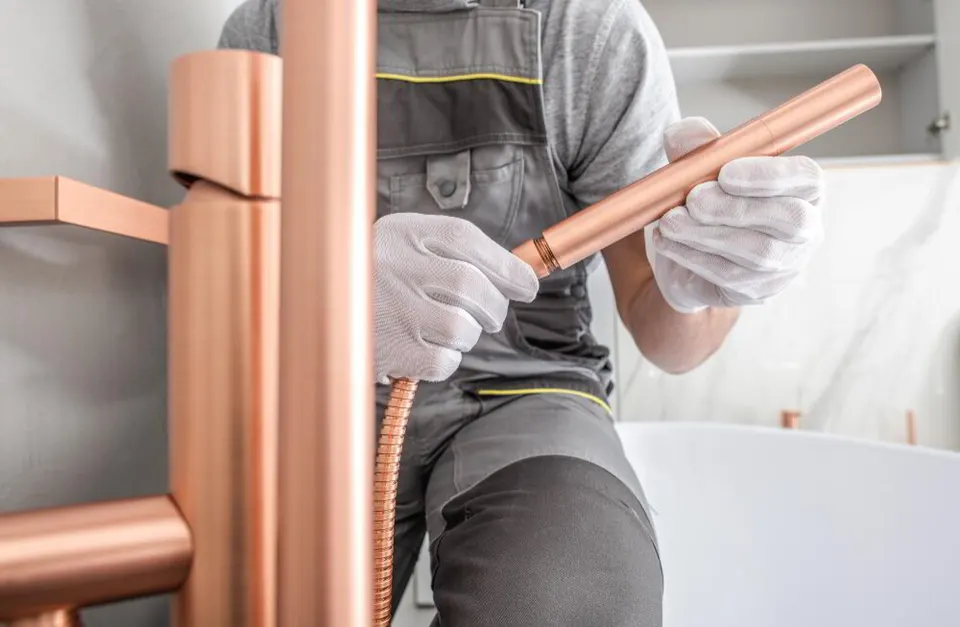
The core work is the same either way. What changes is scheduling, access and how much of the building can be without water at one time.
In a house, the priorities are keeping the family functional and limiting wall damage. Basements and crawl spaces in this part of Ohio make it easier to route new mains, and we plan branch runs through closets, cabinet backs and existing chases whenever possible. Most families stay in the home, and we restore water at the end of each workday when the layout allows.
Storefronts, offices, churches and small apartment buildings have different constraints: tenants, business hours and higher daily demand. We can phase a commercial repipe by floor, unit or zone, schedule shutoffs around operating hours and size lines for the actual fixture count. Landlords who own several older rentals often have us repipe one unit at a time between tenants.
We follow the same three-step process on every project, whether it is one bathroom or an entire building.
We trace the existing piping, note the materials, check pressure and look at where new lines can run. You get a written scope that says what is being replaced, what material we recommend and why.
Nothing is cut until you sign off on the material, the access plan and the schedule. If you want to add a fixture relocation or a new outdoor spigot while the walls are open, this is when we plan it.
We protect floors and furniture, install the new system, pressure test it and inspect every connection before turning the house back over. Old pipe is removed where it is accessible and abandoned safely where it is not.
Type L copper is rigid, durable and handles heat well. It is a good fit where pipe is exposed in a basement, near a water heater or in commercial settings. It costs more in material and labor, and very aggressive water can eventually cause pinholes.
PEX tubing is flexible cross-linked polyethylene. It bends around obstacles, needs fewer fittings, tolerates freezing better than rigid pipe and can often be fished through walls with smaller openings. It must be kept out of sunlight and needs a proper transition near the water heater. Many of our whole-house jobs use PEX for branches with copper at the heater and main.
CPVC still appears in some homes, but we rarely recommend it for a new repipe because it becomes brittle with age. Learn more about each option on our copper piping service page and our PEX system overview.
Before we arrive, clear a path to the basement, water heater and main shutoff, empty the cabinets under sinks and move fragile items away from walls we have marked for access. Plan to run water sparingly during working hours. After the job, flush each faucet briefly, clean the aerators and keep an eye on fixture connections for the first week.
New piping needs little care, but a few habits help it last: keep household pressure at a reasonable level with a working pressure-reducing valve if you have one, insulate lines along outside walls before winter and know where your main shutoff is. A yearly look during a plumbing maintenance agreement visit catches small issues early. If a repipe uncovers a separate problem, such as a failing service line from the street, our water main repair team can address it in the same project.
Local pages for the communities we serve most often.
Integrity is the cornerstone of K & K Plumbing. We keep our promises, and these are the commitments we make on every job:

To stay on top of your project from start to finish, ensuring complete satisfaction.

To set and meet all deadlines for the duration of the entire project.

To protect and prepare your home before and during all work.

To protect and prepare your home after every plumbing project.

To accurately price your job so your project is free from hidden costs.
 Estimate
Reach out and we respond promptly. We listen to what you need, assess your plumbing, and walk you through your options so the estimate is accurate and fair.
 Specifications
Every job is planned around your home’s layout and condition, your goals and your budget. Nothing starts until you’ve approved the plan.
 Work + inspection
Our plumbers work efficiently and carefully, then inspect the finished job so you get a reliable, durable result.
If leaks are showing up in different places, water is discolored or pressure has faded across several fixtures, the pipe material itself is usually the problem. During the free estimate we look at the piping and tell you plainly whether a repair or a repipe makes more sense.
Both work well when installed correctly. PEX usually means fewer wall openings and handles freezing better, while copper is rigid, heat tolerant and suits exposed runs. Many homes end up with a mix, and we explain the tradeoffs for your layout.
It depends on the size of the home, the number of bathrooms and how accessible the walls and basement are. A typical single-family home is measured in days, not weeks. We give you a realistic schedule with your estimate.
In most homes we restore water at the end of each workday, so you can shower and cook in the evening. There will be planned shutoffs during working hours, and we tell you when to expect them.
We keep openings as small and neat as practical and leave them ready for patching. Ask during your estimate how wall restoration will be handled on your project.
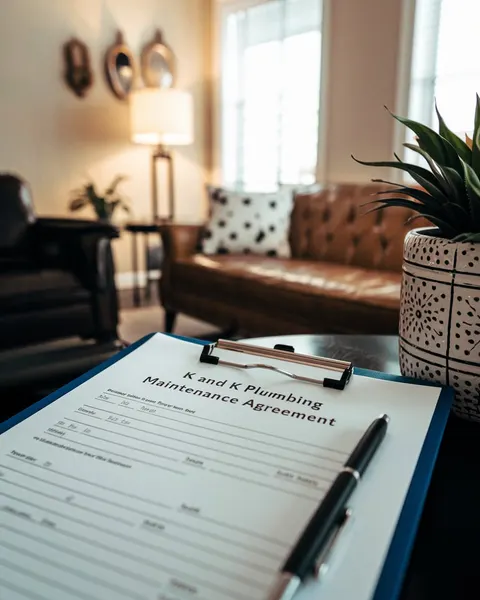
An affordable way to keep your plumbing in top shape, cut down on surprise repairs and extend the life of your equipment.
When it comes to maintaining your property, few systems are as critical—or as overlooked—as your plumbing. Whether you're a homeowner protecting your…
Leaky pipes are among the most common plumbing issues homeowners face, and addressing them promptly is crucial for protecting your property and…
Understanding plumbing issues is crucial for every homeowner and property manager in Ohio.
Tell us what's going on and we'll get back to you to schedule a time. Free estimates and consultations.
Need help right now? Call 330-875-8003

We prioritize your satisfaction by delivering quality plumbing solutions tailored to your needs, carried out with precision, professionalism and dedication to excellence.
Start Your Free Quote Call 330-875-8003