Residential plumbing repairs are among the most common household issues, with about 10% of homes experiencing some type of plumbing leak each year. It’s easy to overlook small leaks or minor irritations like a dripping faucet, but these seemingly minor problems can lead to costly bills and extensive water damage if not addressed promptly. Are you prepared to handle these plumbing challenges? Whether you’re a seasoned DIY enthusiast or a first-time homeowner, understanding the basics of plumbing repairs can empower you to tackle issues with confidence. In this essential guide, we’ll explore common plumbing problems, provide step-by-step repair instructions, and offer preventative maintenance tips to keep your plumbing system running smoothly.
Understanding Residential Plumbing Repairs
Residential plumbing repairs are crucial for maintaining a safe and functional home. Whether you're dealing with a minor issue or a major plumbing crisis, understanding the basics can help you address problems effectively and prevent them from escalating.
Common Problems Homeowners often encounter a variety of plumbing issues. It's essential to recognize these common problems early to mitigate damage and save on repair costs:
- Dripping faucets
- Clogged drains
- Running toilets
- Water heater malfunctions
- Burst pipes
Importance of Timely Repairs Ignoring plumbing issues can lead to significant water damage and costly repairs. By addressing problems promptly, you can:
- Prevent structural damage to your home
- Reduce water bills
- Maintain a healthy living environment
In many cases, residential plumbing repairs can be straightforward DIY tasks, but understanding when to call a professional is equally important. Knowing how to recognize signs that you need expert help can save you time, stress, and money in the long run.
Common Types of Residential Plumbing Repairs
Diving deeper into the world of residential plumbing repairs, let's explore some of the most common types of issues you may encounter.
Leaky Faucets and Fixtures A dripping faucet not only annoys but can also increase your water bill significantly. Fixing it usually involves replacing a worn-out washer or cartridge.
Running Toilets A running toilet is often caused by a faulty flapper valve or flush mechanism.
Regularly checking these components can help maintain efficiency.
Clogged Drains Kitchen sinks, bathroom sinks, and shower drains are prone to clogs. Using a plunger or a drain snake can often resolve these problems.
Pipe Leaks and Breaks Identifying leaks early can prevent extensive damage. Regular inspections of exposed pipes can help spot issues, such as corrosion or loose fittings.
Water Heater Issues Hot water is essential for many household tasks. If your water heater isn't functioning correctly, it could be a sign of sediment buildup or a malfunctioning thermostat.
For additional tips and resources on residential plumbing repairs, consider visiting Home Depot's DIY plumbing section.
Tools and Materials Needed for
Plumbing Repairs
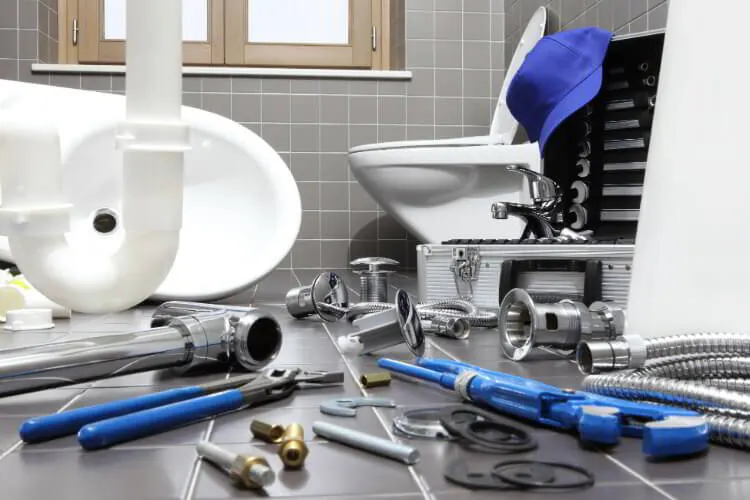
When tackling plumbing repairs, having the right tools is key. Here’s a list of essentials every homeowner should consider:
- Adjustable wrench
- Pipe wrench
- Plunger
- Pipe cutter
- Screwdrivers
- Teflon tape
Safety Gear Always prioritize safety. Use gloves and safety goggles to protect yourself while performing repairs.
By equipping yourself with the right knowledge and tools, you can feel confident in managing many residential plumbing repairs yourself, while also knowing when to call in a professional for
the bigger issues.
Step-by-Step Guide to Fixing Common Issues
Knowing how to perform basic residential plumbing repairs can save you both time and money.
Below are some detailed steps for addressing common plumbing problems.
How to Repair a Leaky Faucet A leaky faucet can waste gallons of water if not fixed promptly.
Here's how to tackle this issue:
1. Gather your tools: You will need a screwdriver, an adjustable wrench, and replacements (like washers or cartridges).
2. Turn off the water supply: Locate the shut-off valve under the sink and turn it off.
3. Disassemble the faucet: Remove the handle by unscrewing it and then take off the packing nut.
3. Replace the washer or cartridge: Inspect and replace any worn or damaged components.
4. Reassemble the faucet: Put everything back together and turn on the water supply to check for leaks.
How to Fix a Running Toilet A running toilet is annoying but fixable. Follow these steps:
1. Remove the tank lid: Carefully take the lid off the toilet tank.
2. Check the flapper: The flapper could be worn or stuck. Adjust or replace it if necessary.
3. Inspect the float: Ensure the float isn't stuck and the water level is appropriate. Adjust as needed.
4. Test the toilet: Flush to see if the issue is resolved. If it persists, consider replacing the entire flush mechanism.
Clearing Clogged Drains Clogs can often be addressed without professional help. Here’s how:
1. Use a plunger: Create a seal and plunge vigorously to dislodge the blockage.
2. Try a drain snake: If plunging doesn't work, using a drain snake can reach further obstructions.
3. Pour a mixture of baking soda and vinegar: This natural solution can help break down any residue, followed by boiling water.
When to Call a Professional for Plumbing Repairs
While some residential plumbing repairs are manageable on your own, there are times when it's best to call in the experts. Here are some signs to watch for:
- Frequent leaks or issues occurring after repairs
- Major water damage or flooding
- Unusual sounds coming from pipes or fixtures
- Issues with the water heater, such as leaks or insufficient heating
Remember, attempting complex repairs without proper knowledge can lead to more significant problems. When in doubt, trust a qualified plumber.
For a more extensive look at various plumbing issues and tips, consider visiting Lowe's plumbing resources.
Preventative Maintenance Tips
Preventative maintenance is key to avoiding extensive residential plumbing repairs down the line. By being proactive, you can identify potential issues before they escalate. Here are some practical tips to keep your plumbing system in top shape:
Regular Inspections Conduct regular checks of your plumbing system, focusing on:
- Visible pipes for leaks or corrosion
- Water heater for signs of wear
- Sinks and drains for any slow drainage issues
Simple DIY Maintenance Tasks Performing minor maintenance tasks can go a long way.
Consider these actions:
- Check for leaks: Periodically inspect faucets and pipes for any signs of dripping or moisture.
- Clean aerators and showerheads: Remove sediment buildup that can affect water flow.
Soak them in vinegar to break down hard water deposits.
- Inspect washing machine hoses: Check for bulging, cracking, or signs of wear, and replace them if necessary.
Best Practices for Homeowners Incorporating good habits into your daily routine can help maintain your plumbing system:
- Avoid flushing inappropriate items: Only flush toilet paper to prevent clogs.
- Use strainers in sinks and tubs: Catch debris before it enters the plumbing system.
- Be mindful of what goes down the drain: Avoid pouring grease or food scraps down the kitchen sink.
Additionally, consider scheduling annual professional plumbing inspections. A skilled plumber can identify minor issues before they turn into costly repairs.
For more insights on home maintenance and plumbing issues, check out Angie's List Home Improvement.
Conclusion
By understanding the essentials of residential plumbing repairs, you empower yourself to maintain a functional and efficient plumbing system in your home. This knowledge not only saves you money but also prevents minor issues from escalating into major problems.
Recap of Key Points
- Regular inspections and maintenance are vital in preventing costly repairs.
- Knowing how to fix common plumbing problems—such as leaky faucets and clogged drains—can be advantageous for homeowners.
- It's essential to recognize when to call a professional, especially for complex or persistent issues.
Encouragement to Stay Proactive with Plumbing Maintenance Being proactive in your plumbing maintenance can lead to a healthier home environment and peace of mind. Keep a checklist handy for regular inspections and don’t hesitate to educate yourself on new repair techniques.
For more detailed guidance on maintaining your home, explore resources like This Old House.
When to Call a Professional for
Plumbing Repairs
While many residential plumbing repairs can be handled as DIY projects, there are specific situations where calling a professional is not only advisable but necessary. Understanding when to seek expert help can save you from potential disasters and ensure your plumbing system stays in optimal condition.
Signs You Need Expert Help It's essential to be aware of the signs that indicate a professional is needed. Here are some critical indicators:
- Frequent leaks: If you've noticed recurring leaks or water pooling despite your repairs, it may signal more extensive issues.
- Major water damage: Staining on walls or ceilings, or damp spots on floors can lead to significant damage and mold growth if not addressed quickly.
- Unusual sounds: Gurgling pipes or banging sounds often indicate air in the lines or improper drainage, which may require professional intervention.
- Slow drainage: If multiple drains in your home are slow, it could indicate a blockage in the main sewer line.
Benefits of Professional Services Hiring a professional plumber can offer several advantages:
- Expertise: Professionals have the training and experience to diagnose and fix complex plumbing issues accurately.
- Proper tools: They have the right tools and equipment to handle problems that may be beyond a typical homeowner's skill set.
- Warranty and safety: Many professional services offer warranties on their work, ensuring that any recurring issues will be addressed. Additionally, trained plumbers prioritize safety, reducing the risk of accidents.
In summary, while it's beneficial to learn about residential plumbing repairs, recognizing your limits is crucial. When faced with significant plumbing challenges, don't hesitate to reach out to a qualified plumber for assistance. For reliable plumbing services, consider visiting Roto-Rooter for more information and support.
Tools and Materials Needed for
Plumbing Repairs
Having the right tools and materials is essential for effective residential plumbing repairs.
Whether you're tackling minor leaks or more complex issues, being prepared can make the
process smoother and more efficient.
Basic Plumbing Tools Here’s a list of essential tools every homeowner should have for DIY
plumbing repairs:
- Adjustable Wrench: Versatile for gripping and turning nuts and bolts of various sizes.
- Pipe Wrench: Ideal for gripping and turning pipes; necessary for plumbing work involving metal pipes.
- Plunger: A must-have for clearing clogs in toilets and sinks.
- Drain Snake: Useful for removing clogs deep within your plumbing system.
- Screwdrivers: Both flathead and Phillips head screwdrivers are needed for various fixtures and fittings.
Common Replacement Parts In addition to tools, it's important to have a supply of commonly used replacement parts:
- Washers and O-rings: Essential for fixing leaky faucets and fixtures.
- Flapper Valves: Necessary for toilet repairs, this part controls water flow during flushing.
- PVC Fittings and Pipes: Often needed for pipe replacements and repairs in drainage systems.
- Teflon Tape: Used for sealing threaded pipe joints to prevent leaks.
Safety Gear To ensure your safety while performing plumbing repairs, consider the following gear:
- Gloves: Protect your hands from dirt, chemicals, and sharp edges.
- Safety Goggles: Shield your eyes from debris and splashes while working.
By equipping yourself with these tools and materials, you can confidently address many common residential plumbing repairs. However, don’t hesitate to reach out for professional assistance when the job gets too complicated. For more information on plumbing supplies, check out Home Depot's plumbing section.
Common Types of Residential
Plumbing Repairs
Understanding the common types of residential plumbing repairs can help homeowners identify issues and address them promptly. Below, we delve into frequently encountered problems and how to troubleshoot them effectively.
Leaky Faucets and Fixtures Leaky faucets and fixtures are among the most common plumbing annoyances. A dripping faucet can waste significant water over time, leading to increased utility bills. To fix this:
- Identify the type of faucet: Compression, cartridge, or ball—each requires a different approach for repairs.
- Replace worn washers or seals: These components are often the culprits behind leaks.
Running Toilets A running toilet not only wastes water but can also be a nuisance. Typical causes include:
- Faulty flapper: If the flapper valve doesn't seal correctly, water will continue to flow.
- Improper float level: An incorrectly set float can prevent the tank from filling properly, causing continuous running.
Clogged Drains Clogs can occur in any drain, but kitchen and bathroom sinks are particularly susceptible. Common solutions include:
- Using a plunger: This can clear minor clogs in sinks and toilets.
- Drain snake: For persistent clogs, a drain snake can reach deeper into the plumbing to dislodge blockages.
Pipe Leaks and Breaks Leaking or broken pipes can lead to serious water damage if not addressed quickly. Key steps include:
- Inspect visible pipes: Look for signs of moisture or corrosion.
- Turn off the water supply: If a leak is detected, ensure the water is turned off immediately.
- Seal minor leaks: A temporary fix can be achieved using plumber's tape or epoxy, but professional evaluation is recommended for permanent solutions.
Water Heater Issues Water heater problems can interrupt daily routines. The following are typical issues:
- No hot water: This might indicate a faulty thermostat or heating element.
- Leaking tank: A leaking water heater often requires replacement, as repairs can be ineffective.
By being aware of these common types of residential plumbing repairs, homeowners can take prompt action, potentially saving on costs and preventing more significant issues down the line.
For more detailed resources and tips, visit Lowe's Plumbing.
What are the most common residential plumbing repairs?
The most common residential plumbing repairs include fixing leaky faucets, unclogging drains, repairing running toilets, addressing pipe leaks and breaks, and correcting issues with water heaters. Being familiar with these problems can help homeowners act quickly to prevent more extensive damage.
How can I tell if I have a plumbing leak?
Signs of a plumbing leak can include the presence of moisture or water stains on walls or ceilings, an unexplained increase in your water bill, and the sound of running water when no fixtures are in use. Additionally, you may notice damp spots on the floor or a musty smell, often indicating mold growth due to prolonged moisture.
When should I call a professional for plumbing repairs?
You should call a professional for plumbing repairs when you encounter major issues such as persistent leaks that you can't fix, significant flooding, or problems with your main sewer line. If you notice any unusual sounds from your plumbing or if multiple drains are clogged, it's also wise to seek professional help.
What preventative maintenance can I do for my plumbing?
Preventative maintenance for plumbing includes regularly checking for leaks, cleaning aerators and showerheads, inspecting washing machine hoses, and using strainers in sinks to catch debris. Additionally, consider scheduling annual professional inspections to catch any potential issues early.
How can I improve my skills for DIY plumbing repairs?
Improving your skills for DIY plumbing repairs can be achieved through online resources, instructional videos, and plumbing repair guides. Local home improvement stores often offer workshops, and investing in a basic plumbing manual can also be a helpful reference as you tackle small repairs around the house.
Reliable Residential Plumbing Repairs
by K & K Plumbing, LLC
A well-maintained plumbing system is essential for a comfortable and functional home, but plumbing issues can arise unexpectedly. From leaky faucets and clogged drains to low water pressure and running toilets, homeowners often face common problems that require prompt attention. While minor fixes like using a plunger or tightening a loose connection can help, more complex repairs should always be handled by professionals. At K and K Plumbing, we specialize in residential plumbing repairs, ensuring your system is running efficiently and preventing costly damage. Whether you need pipe repairs, water heater maintenance, or emergency plumbing services, our expert team is here to help. Don’t let plumbing issues disrupt your home—contact K and K Plumbing today for fast, reliable, and affordable service!
Have a question about this topic? Contact K & K Plumbing or call 330-875-8003 for a free estimate.