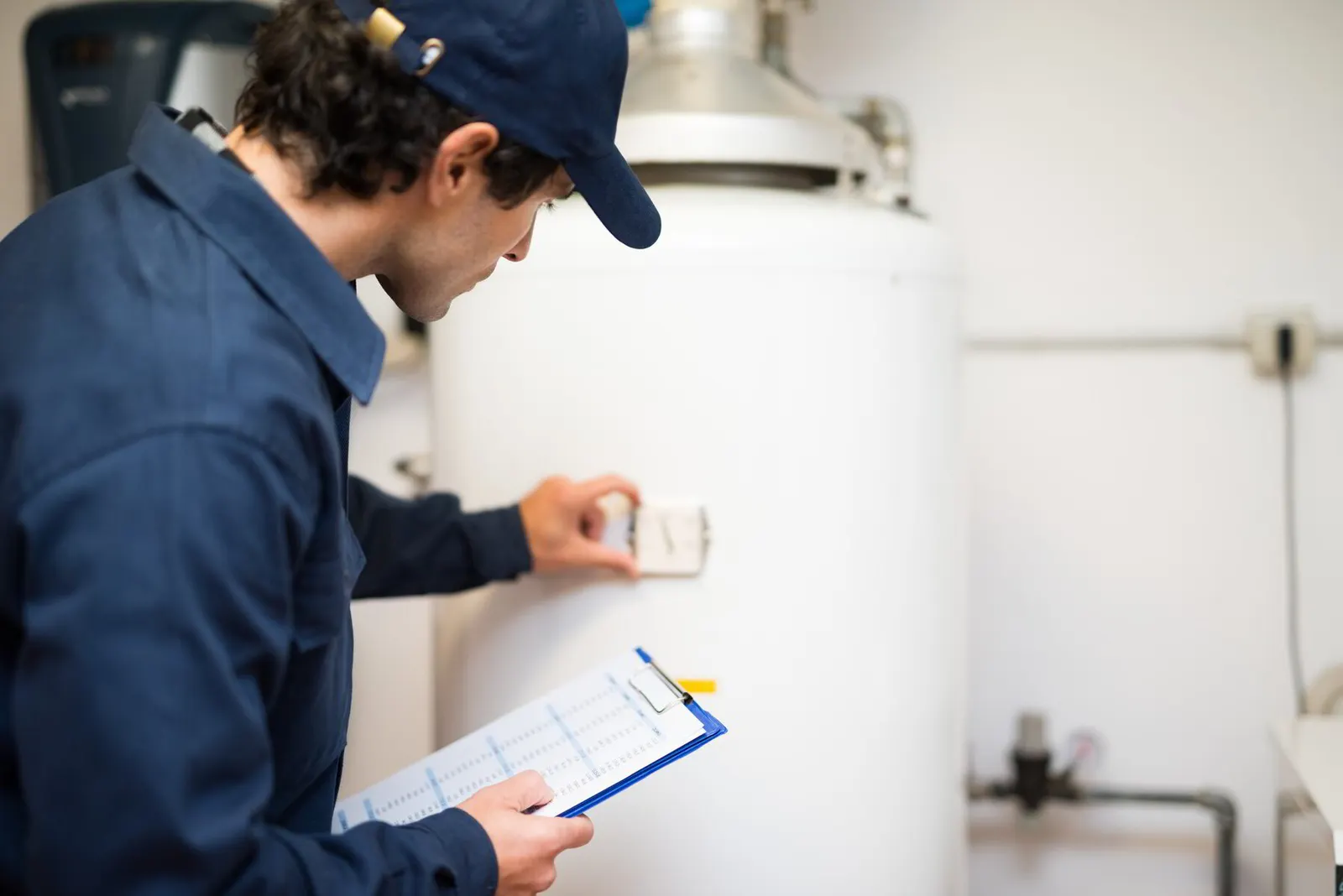
Are you aware that neglecting water heater maintenance can lead to a buildup of minerals, posing a risk to both efficiency and safety? This guide will walk you through the crucial steps of water heater maintenance, including checking the washing machine shut off valve and testing the circuit breaker. You'll learn not only how to keep your system running smoothly but also how to recognize when it's time for a replacement. By engaging with this content, you'll gain the knowledge to prevent costly breakdowns and ensure your water heater operates safely and efficiently. Addressing these maintenance tasks now can save you from unexpected cold showers and high repair bills in the future.
Understanding the Importance of Water Heater Maintenance
Regular maintenance is key to extending the lifespan of your water heater and preventing common issues. Whether you're considering a new water heater installation or seeking a 'heater replacement near me', understanding the role of energy efficiency and routine checks is crucial. A simple turn of a screwdriver by a skilled dishwasher plumber can mean the difference between optimal performance and a costly breakdown. Up next, we'll delve into how you can keep your water heater in top condition and recognize when it's time for a replacement.
How Regular Maintenance Extends Lifespan
When you prioritize regular maintenance for your water heater, you're investing in the longevity of your appliance. Just as you would call upon a drain cleaner to ensure your pipes remain clear, scheduling routine checks with a professional in water boiler repair can prevent the accumulation of sediment, which is particularly crucial for ceramic-lined tanks. This proactive approach not only extends the lifespan of your heater but also maintains its efficiency, saving you from unexpected water tank replacement costs.
Consistent upkeep, including periodic inspections and addressing minor repairs, can significantly reduce the likelihood of a full system failure. Imagine the peace of mind you gain when a skilled technician from our customer service team assesses and resolves issues before they escalate. By keeping components in check and ensuring everything operates as it should, you avoid the stress and expense of emergency repairs or premature water tank replacement.
Moreover, understanding the intricacies of your water heater, such as the anode rod that protects against corrosion, is part of effective maintenance. When you entrust your system to experts in water boiler repair, they can identify when these critical components need attention, thereby preventing deterioration that could lead to costly leaks or inefficiency. This attention to detail ensures your water heater performs optimally for years, offering you both comfort and cost savings in the long run.
Preventing Common Water Heater Problems
To prevent the common problem of heater failure, you should consider the role of a water filter in safeguarding your system. Sediment and minerals can accumulate and wreak havoc on your water heater's efficiency, but a filter can trap these particles before they reach the tank.
Regularly replacing the filter is a simple yet effective step to maintain your electric heating system's health and prevent unexpected malfunctions.
Another critical aspect of avoiding water heater issues is to not overlook the appliances connected to it, such as your kitchen sink food disposal. Grease and food particles can cause blockages and strain your water heating system. You can protect your investment by running cold water through the disposal and ensuring it's clear of debris, thus maintaining the overall health of your plumbing and heating systems.
Lastly, an annual inspection by a certified professional is indispensable for identifying potential problems before they escalate. During these inspections, technicians can assess and rectify minor issues with components like thermostats and heating elements. This proactive measure ensures your water heater operates efficiently and can save you from the inconvenience and cost of emergency repairs or premature replacement.
Identifying Signs Your Water Heater Needs Attention
Recognizing when to replace your water heater is as crucial as routine maintenance. If you notice a decline in efficiency, unusual noises, or leaks, it may be time to consider a hot water replacement near you. These signs can indicate a failing plumbing fixture, a spent hot water anode, or a malfunctioning thermostat. In the following sections, you'll learn how to identify these issues with precision, ensuring your water heating system remains reliable and efficient.
Recognizing Decreased Efficiency
When your water heater takes longer to heat water or you notice a rise in your utility bills, it could signal a drop in efficiency. This is often a sign that your heater maintenance needs to be stepped up. A professional can check the relief valve and other components to ensure they are functioning correctly, which is essential for both safety and efficiency.
Another indicator of decreased efficiency is inconsistent water temperature, especially when using your sink food disposal or dishwasher. If you find your drinking water is suddenly too hot or too cold, it's wise to consult a technician. They can assess whether sediment build-up or a faulty element is to blame, helping you avoid further inefficiency or damage.
Lastly, if you're experiencing a lack of hot water despite a full tank, it's time to investigate. This inefficiency can stem from a variety of issues, from a malfunctioning thermostat to a compromised heating element. Prompt heater maintenance can resolve these problems, restoring your system's efficiency and ensuring you have reliable hot water when you need it.
Noticing Unusual Noises or Leaks
If you begin to hear unusual sounds coming from your water heater, such as popping or hissing, it's often a sign that sediment has built up and may be causing the heating elements to overwork. This accumulation can lead to inefficiency and even damage if not addressed with a thorough heater cleaning. It's essential to act swiftly to prevent a clogged system from escalating into a more significant issue.
Leaks around your water heater are a clear indicator that immediate attention is needed.
Whether it's a small drip or a steady flow, water leaks can signal a range of problems from a loose connection to a failing tank. If you notice any moisture or pooling, it's time to call in a professional to assess your pump and water heaters, ensuring that soap, sediment, or wear and tear haven't compromised the integrity of your system.
Should you detect a drop in water pressure when using hot water, this could be a symptom of a clogged pipe or malfunctioning pump. Regular heater cleaning and maintenance are vital to prevent such blockages, which can affect the performance and longevity of your water heaters.
Addressing these issues promptly can save you from the inconvenience and cost of a complete system failure.
Step-by-Step Guide to Maintaining Your Water Heater
Maintaining your water heater is essential to avoid the need for premature water tank replacement or heater replacement. As a journeyman in the field, you understand the importance of a well-functioning system. This guide will walk you through flushing the tank to remove sediment, inspecting and replacing the anode rod, testing the temperature and pressure relief valve, and adjusting thermostat settings for optimal performance. Each step is designed to ensure the heating element and drainage system work efficiently, safeguarding your investment and comfort.
Flushing the Tank to Remove Sediment
Flushing your water heater tank is a critical maintenance step to prevent the buildup of sediment, which can lead to increased heater replacement costs if neglected. Hard water, rich in minerals, can deposit metal and other materials at the bottom of your tank, reducing efficiency and potentially causing leaks. By draining and flushing your tank annually, you ensure these sediments are removed, thus maintaining the heater's performance and extending its lifespan.
If you're noticing inconsistent water temperatures or a reduction in hot water supply, it might be time to flush the tank to remove sediment. This simple procedure can prevent the premature need for a costly heater replacement and safeguard against leaks that could cause water damage. Trust in the process to protect the metal components of your tank from the corrosive effects of sediment and hard water.
Remember, while flushing the tank might seem straightforward, it requires careful handling to avoid any mishaps. You should always turn off the power supply to an electric heater or the gas supply to a gas heater before starting. This ensures your safety and prevents any damage to the tank. If you're unsure about performing this task yourself, it's wise to contact a professional who can carry out the job efficiently and effectively, giving you peace of mind and saving you from future heater replacement costs.
Inspecting and Replacing the Anode Rod Inspecting the anode rod in your water heater is a critical step in home repair that you should not overlook. This rod acts as a sacrificial element, protecting the tank from corrosion by corroding in place of the tank itself. If you're noticing a quicker depletion of hot water or a change in water quality, it might be time to seek a 'navien repair near me' to check the anode rod and ensure your water supply remains uncontaminated and efficient.
For you, the customer, understanding when to replace the anode rod can save you from costly repairs down the line. Typically, an anode rod lasts about five years, but this can vary depending on the quality of your water supply and the frequency of use. A professional can assess the condition of the rod during a routine inspection and replace it if necessary, safeguarding the longevity of your water heater.
Replacing the anode rod is a straightforward process, yet it requires precision and knowledge of your water heater's valve system. If you're not experienced in water heater maintenance, it's best to leave this task to the experts. They can perform the replacement efficiently, ensuring your system continues to operate without the risk of premature tank failure or interruption to your water supply.
Testing the Temperature and Pressure Relief Valve Testing the temperature and pressure relief valve is a critical safety measure for your water heater. This valve acts as a safeguard against excessive pressure and temperature that could cause damages to your system. As a responsible homeowner, you should periodically lift the valve's lever and ensure that water discharges freely, indicating the valve is functioning correctly. If no water flows or if it leaks after testing, you'll need a plumber for washing machine expertise to replace the valve promptly.
During a water heater flush, it's wise to also check the temperature and pressure relief valve.
If you're unfamiliar with this process, imagine it as a routine health check for your water heater, similar to how you wouldn't ignore a running toilet caused by a simple issue like toilet paper clogging the pipes. A quick inspection with a wrench can confirm the valve's operation, and if it's faulty, addressing it immediately can prevent potential hazards and extend the life of your heater.
Remember, while you might be tempted to perform this test yourself, it's essential to approach it with caution. The water discharged can be scalding, so take care to protect yourself or, better yet, let a qualified plumber handle the task. They have the expertise to assess the valve accurately and can perform any necessary replacements, ensuring your water heater remains a reliable source of hot water for your home.
Adjusting Thermostat Settings for Optimal Performance
Adjusting the thermostat on your water heater is a crucial step in hot water maintenance that can prevent the need for a hot water tank replacement. By setting the thermostat to an optimal temperature, usually around 120 degrees Fahrenheit, you minimize the risk of scalding and reduce energy consumption. This simple adjustment can also prevent the buildup of minerals and sediment on the floor of the tank, which can lead to inefficiency and corrosion over time.
If you're experiencing fluctuations in water temperature, it may be a sign that your thermostat needs recalibration. This is a task you can perform to ensure consistent hot water delivery and avoid strain on your pipes. A properly adjusted thermostat not only contributes to the longevity of your water heater but also ensures that you're not paying for unnecessary heating, keeping your utility bills in check.
Remember, while adjusting the thermostat might seem like a minor tweak, it has a significant impact on the overall performance of your water heater. If you're unsure about the correct settings or how to make the adjustments, it's wise to consult a professional. They can provide guidance on hot water maintenance, ensuring your system operates efficiently and safely, and helping you avoid premature hot water tank replacement.
Safety Measures During Water Heater Maintenance
As you embark on water heater maintenance, prioritizing safety is paramount. Properly shutting off the power to your gas heater and ensuring water supply and drains are secure prevents accidents during the process. Handling hot components safely is equally essential, especially when dealing with pressure fluctuations or integrating systems like air conditioning or a bidet. Upcoming sections will guide you through these safety measures, offering practical advice to protect both you and your home's plumbing infrastructure.
Properly Shutting Off Power and Water Supply
Before you begin any maintenance on your water heater, it's imperative to shut off the power supply to prevent electrical hazards. For electric heaters, this means flipping the circuit breaker, and for gas heaters, you'll need to turn off the gas valve and ensure the pilot light is extinguished. This step is crucial to avoid water damage from leaks or electrical wiring issues during the draining process.
Once the power is safely disconnected, you should also turn off the water supply to your heater. This prevents any additional water from entering the tank while you drain it, which is a necessary step before performing tasks like sediment removal or component replacement. A proper shutdown ensures a safe environment for you to work in and helps protect your home from potential water damage.
After ensuring the power and water supply are off, locate the drain valve at the bottom of your tank. Attach a hose to the valve and lead it to an appropriate drain or outside area. This setup is essential for a controlled and safe draining process, which is often a precursor to a hot water tank replacement near me. Draining the tank reduces the risk of water damage and allows for a thorough inspection of the tank's interior for any signs of corrosion or damage.
Handling Hot Components Safely
When you're dealing with the maintenance of plumbing appliances like your water heater, it's essential to handle hot components with care to avoid burns or damage. If your system is still under warranty, mishandling parts could void it, so always consult your warranty terms before proceeding. Remember to let the system cool down after shutting off the power and water supply, ensuring a safe temperature for handling.
During water heater replacement or routine maintenance, wearing protective gloves is a wise precaution when touching pipes or the heater itself. The components within your HVAC system and the pipes leading to your sink can retain heat long after the system is turned off. By protecting your hands, you maintain safety while preserving the integrity of your water heater and connected appliances.
Should you need to inspect or replace elements within your water heater, exercise caution and use the appropriate tools. A secure grip with a wrench can prevent slippage that might cause injury or damage to the heater's components. If you're uncertain about the safety procedures, it's prudent to contact a professional who can perform the necessary tasks without compromising your safety or the functionality of your water heater.
Determining When to Replace Your Water Heater
Deciding when to replace your water heater involves a careful evaluation of its age and condition, as well as a comparison between the costs of repairs and the benefits of a new unit. Whether you're upgrading your plumbing for washer and dryer setups, seeking solar hot water repair, or considering a renovation, understanding the lifespan of an anode and the efficiency of disposals is key. You'll learn to assess these factors, ensuring your decision is both cost-effective and beneficial for your home's hot water needs.
Evaluating the Age and Condition of Your Unit
Assessing the age and condition of your water heater is a critical step in determining its future. If you're noticing inefficiencies or a decline in performance, it may be time to consult a professional for gas heater repair. They can evaluate the state of your unit, including the washer shut off valve and other components, to provide you with a clear understanding of whether a repair will suffice or if you're facing hot water replacement costs.
When you consider the longevity of your water heater, remember that the average lifespan is typically around 8 to 12 years. If yours is approaching or has surpassed this range, it's pruden t to start planning for its replacement. Credentials of the service provider are vital; ensure you engage a licensed plumber with a proven track record in hot water replacement to guarantee quality workmanship.
Waste not a moment when signs of deterioration appear; a leaking tank or inconsistent heating are telltale indicators that your water heater may be on its last legs. Before you're faced with an emergency, have a technician inspect the unit. They can advise on the most cost-effective route, whether that's a repair or a complete hot water replacement, ensuring you avoid unnecessary expenses and disruptions to your daily routine.
Comparing Repair Costs to Replacement Benefits
When you're faced with frequent gas hot water repair bills, it's essential to weigh these costs against the benefits of a new water heater. If repairs are becoming a regular event, eroding the wall of your budget, it may be more economical in the long run to invest in a new, efficient unit.
This can also prevent the potential for water damage near sensitive areas like fridge plumbing or a bathtub, saving you from further expenses and inconvenience.
Corrosion is a formidable enemy of any water heating system, and if you notice rust or corrosion around your unit, it's a clear sign that replacement might be more beneficial than repair. A new water heater will not only provide peace of mind but also enhance the safety and efficiency of your home's hot water supply, ensuring you're not left in the cold when you need it most.
Consider the advancements in water heating technology that could offer you significant energy savings and improved performance. If your current system is outdated, replacing it with a modern, energy-efficient model could reduce your utility bills and provide a more consistent hot water supply for your bathtub, shower, and other household needs. This strategic upgrade can be a smart investment, delivering tangible benefits that outweigh the costs of ongoing repairs.
Choosing the Right Replacement Water Heater
When the time comes to replace your water heater, you're faced with a variety of choices.
Exploring different types of water heaters is the first step to finding the right fit for your home.
You'll want to consider energy-efficient options that can reduce long-term costs and ensure compatibility with systems like your dishwasher shut off valve. It's also essential to schedule professional installation to achieve the best results and maintain safety, especially when dealing with components like the flue. In the upcoming sections, we'll guide you through these considerations, from the types available to the importance of expert installation, ensuring your heater maintenance near you is handled with precision.
Exploring Different Types of Water Heaters
When you're ready to replace your water heater, exploring the various types available is a crucial step. Traditional storage water heaters with stainless steel tanks are known for their durability and are a common choice for many homeowners. However, if you're seeking to improve your hot water tank maintenance routine, you might consider tankless options that provide hot water on demand and reduce the risk of sediment buildup, which can extend the life of your system.
For those of you with high hot water demands, particularly in busy households with multiple showers, a hybrid water heater might be the ideal solution. These units combine the technology of conventional water heaters with heat pump systems to offer greater efficiency. As you contemplate the need to replace your current unit, keep in mind that a hybrid model could lead to significant energy savings over time.
Lastly, if you're concerned about the potential for flooding or have a sump pump installed, it's worth considering water heaters that are designed to withstand such environments. Some models are specifically built to resist water damage, which can be a wise investment, particularly in areas prone to basement moisture. This foresight can prevent the premature need to replace your water heater and ensure consistent hot water supply without unexpected interruptions.
Considering Energy Efficiency Options
When considering a hot water replacement, focusing on energy efficiency can lead to long-term savings and environmental benefits. Modern water heaters with higher Energy Star ratings use less energy to heat your water, reducing sediment buildup and the frequency of maintenance. This efficiency translates to lower utility bills and a smaller carbon footprint, making it a smart choice for both your wallet and the planet.
As you weigh the options for a new water heater, consider the potential costs of relocating washing machine plumbing, which can be significant. Choosing an energy-efficient model may offset these initial expenses by providing operational savings over time. Energy-efficient units often heat water more quickly and retain it longer, meaning less strain on the system and
reduced wear on components like hoses and valves.
Investing in an energy-efficient water heater not only addresses your immediate need for hot
water replacement but also sets a foundation for sustainable water heating in your home.
These models are designed to minimize the loss of heat, ensuring that every ounce of energy is
used judiciously. As a result, you'll enjoy consistent hot water while keeping maintenance and energy costs to a minimum.
Scheduling Professional Installation for Best Results
Ensuring your new water heater is installed by a licensed professional is crucial for adhering to local regulations and maximizing the life expectancy of your unit. A skilled technician will handle the installation with precision, ensuring that every connection and setting is optimized for peak efficiency, which can significantly impact your hot water tank replacement cost over time.
Professional installation guarantees that your water heater operates safely and at its best efficiency level from day one. You'll have peace of mind knowing that the work meets industry standards and that the warranty remains intact, safeguarding your investment and ensuring reliable access to hot water.
By choosing a licensed installer, you're not only complying with regulations but also benefiting from their expertise in selecting the right water heater for your needs. They can provide valuable insights into the most cost-effective models and offer practical advice on maintaining efficiency, ultimately influencing the long-term costs and performance of your hot water system.
Conclusion
Proactive maintenance of your water heater, including regular sediment flushing and anode rod inspections, is crucial for extending its lifespan and ensuring peak efficiency. Recognizing signs of wear, such as decreased efficiency or unusual noises, can prevent costly breakdowns and the need for premature replacement. When replacement becomes necessary, selecting an energy-efficient model and securing professional installation are key to maximizing performance and safety. Ultimately, diligent attention to your water heater's condition safeguards your comfort, reduces energy costs, and contributes to the longevity of your home's hot water system.
Have a question about this topic? Contact K & K Plumbing or call 330-875-8003 for a free estimate.