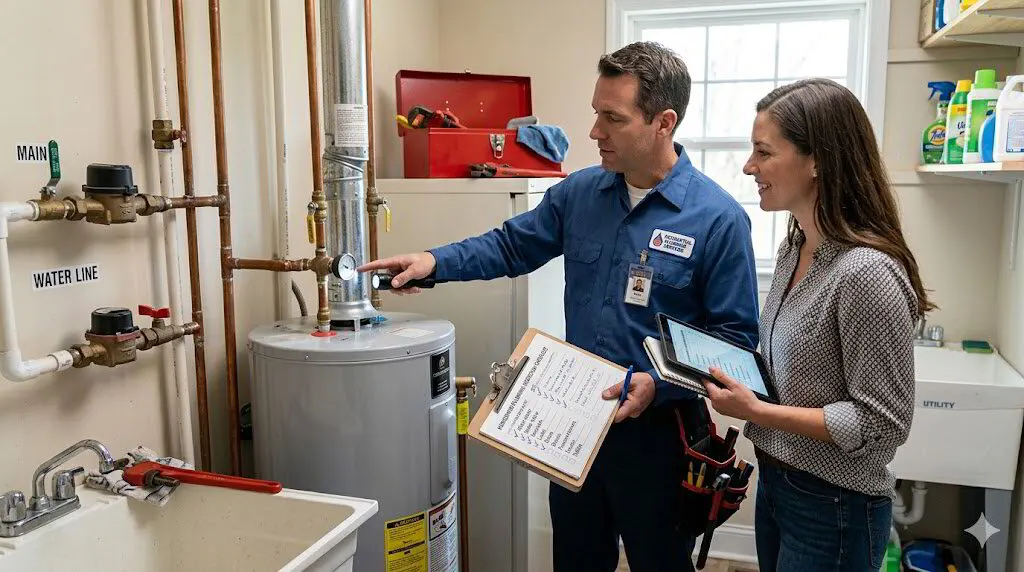
Your home's plumbing system works tirelessly behind the scenes, delivering clean water and removing waste 24 hours a day. Yet most homeowners only think about their plumbing when something goes wrong – often resulting in costly emergency repairs, water damage, and significant inconvenience. The reality is that most plumbing disasters are preventable with regular inspections and proactive maintenance.
A comprehensive plumbing inspection checklist for homeowners serves as your first line of defense against unexpected plumbing failures. By conducting systematic evaluations of your plumbing system, you can identify minor issues before they escalate into major problems, potentially saving thousands of dollars in repairs and protecting your property from water damage. Whether you're a new homeowner learning the ropes, a landlord managing multiple properties, or a business owner responsible for maintaining commercial spaces, understanding how to properly inspect your plumbing system is an invaluable skill that pays dividends over time.
Introduction to Plumbing Inspections
Regular plumbing inspections are fundamental to maintaining a safe, efficient, and reliable water system in your home. These systematic evaluations serve multiple critical purposes: preventing costly emergency repairs, ensuring optimal water pressure and quality, identifying potential safety hazards, and extending the lifespan of your plumbing components. Many homeowners underestimate the complexity of their plumbing systems, which include not only visible pipes and fixtures but also hidden elements like sewer lines, water heaters, and underground connections that require periodic assessment.
A comprehensive plumbing inspection encompasses both visible and concealed components of your water delivery and waste removal systems. During an inspection, professionals or knowledgeable homeowners examine pipe conditions, test water pressure, evaluate drainage efficiency, assess water heater performance, and check for signs of leaks, corrosion, or wear. The process also includes examining fixture functionality, testing shut-off valves, inspecting exposed joints and connections, and evaluating the overall system's capacity to meet your household's demands.
The frequency of plumbing inspections depends on several factors, including your home's age, local water quality, usage patterns, and previous maintenance history. Newer homes may require annual inspections, while older properties with aging infrastructure might benefit from bi-annual evaluations. Properties with hard water, high usage, or previous plumbing issues may need more frequent attention. Professional plumbers recommend that homeowners conduct basic monthly checks using a plumbing inspection checklist for homeowners, while scheduling comprehensive professional inspections annually to ensure nothing is overlooked and to maintain optimal system performance.
Key Areas Covered in a Plumbing Inspection
Visible Pipes and Connections
The foundation of any thorough plumbing evaluation begins with examining all accessible pipes and connections throughout your property. This includes supply lines that deliver fresh water to fixtures, drain pipes that remove wastewater, and the various joints, fittings, and connections that link these components together. Visible pipes in basements, crawl spaces, utility rooms, and under sinks provide valuable insights into your system's overall condition and can reveal early warning signs of potential problems.
During pipe inspection, look for signs of corrosion, particularly around joints and fittings where different metals may interact. White, green, or rust-colored deposits often indicate chemical reactions that can weaken pipe integrity over time. Check for any visible leaks, even minor drips that seem insignificant, as these can worsen rapidly and cause substantial damage. Examine pipe supports and hangers to ensure they're secure and properly positioned, preventing sagging that can stress joints and connections.
Drainage Systems
Effective drainage is crucial for preventing water backup, flooding, and unsanitary conditions in your home. A comprehensive drainage inspection involves testing all drains, including sinks, tubs, showers, floor drains, and any specialty drains in laundry areas or basements. Begin by running water in each fixture and observing drainage speed and efficiency. Slow drainage often indicates partial blockages that can worsen over time, while gurgling sounds may suggest venting issues or deeper blockages in the system.
Examine drain covers and strainers for damage or improper fit, as these components prevent debris from entering your drainage system. Check for signs of backup or overflow around floor drains, particularly in basements where sewer line issues often manifest first. Test multiple fixtures simultaneously to ensure your system can handle normal usage patterns without backing up or experiencing pressure issues that could indicate capacity problems.
Water Pressure Levels
Consistent water pressure throughout your home indicates a healthy plumbing system, while pressure variations can signal underlying problems requiring attention. Test water pressure at multiple fixtures, including faucets, showers, and outdoor spigots, noting any significant differences between locations or floors. Low pressure may indicate clogged aerators, partially closed valves, pipe restrictions, or supply line issues, while excessively high pressure can damage fixtures and appliances over time.
Consider the timing of pressure tests, as municipal water pressure can vary throughout the day based on community usage patterns. Morning and evening hours typically show lower pressure due to increased demand, while midday testing often reveals optimal pressure levels. Document pressure variations and patterns, as this information helps identify whether issues stem from your internal plumbing system or external supply factors beyond your control.
Water Heater Condition
Your water heater represents one of the most critical and expensive components of your plumbing system, requiring careful evaluation during inspections. Begin by examining the unit's exterior for signs of corrosion, rust, or mineral deposits that may indicate internal problems or external leaks. Check the temperature and pressure relief valve, ensuring it's properly installed and not showing signs of discharge, which could indicate dangerous pressure buildup or temperature fluctuations.
Evaluate water heater performance by testing hot water delivery time, temperature consistency, and capacity under normal usage conditions. Listen for unusual noises like rumbling, popping, or hissing that may indicate sediment buildup or internal component problems. Inspect all connections, including gas lines for gas units or electrical connections for electric models, ensuring they're secure and showing no signs of deterioration or safety concerns.
Sewer Line Status
Sewer line problems can create serious health hazards and expensive repair situations, making this inspection component particularly important. While homeowners cannot directly inspect underground sewer lines without specialized equipment, several indicators can reveal potential issues requiring professional evaluation. Monitor for sewage odors around your property, particularly near cleanout access points or in basement areas where sewer lines typically connect to your home's drainage system.
Watch for signs of sewer backup, including water appearing in floor drains, toilets backing up when other fixtures drain, or sewage emerging from basement drains during heavy water usage. Examine your yard for unexplained wet spots, particularly lush grass growth, or depressions that might indicate underground leaks or line failures. These symptoms often require immediate professional attention to prevent health hazards and extensive property damage.
Creating Your Plumbing Inspection Checklist
Developing a Personalized Approach
Creating an effective plumbing inspection checklist for homeowners requires understanding your specific property's unique characteristics, usage patterns, and potential risk factors. Begin by documenting your home's plumbing layout, including the location of main shut-off valves, water meter, sewer cleanouts, and any known problem areas from previous repairs or maintenance. This foundational knowledge enables you to develop a systematic approach that covers all critical components while focusing additional attention on areas most likely to develop problems.
Consider your household's water usage patterns when designing your checklist. Homes with large families, multiple bathrooms, or high-demand appliances like dishwashers and washing machines may require more frequent inspections of drainage systems and water pressure evaluation. Properties with older plumbing systems need enhanced focus on pipe condition and joint integrity, while newer homes might emphasize fixture performance and system optimization.
Essential Checklist Components
A comprehensive homeowner plumbing inspection checklist should include both monthly quick checks and detailed quarterly evaluations. Monthly items include testing all faucets and fixtures for proper operation, checking visible pipes for leaks or new damage, ensuring toilets flush properly without running continuously, and verifying that water pressure remains consistent throughout the home. These quick assessments help identify developing issues before they become serious problems.
Quarterly inspections should encompass more detailed evaluations, including water heater performance testing, drainage system capacity checks, examination of all accessible pipe joints and connections, testing of shut-off valves for proper operation, and assessment of any seasonal factors that might affect your plumbing system. Document findings from each inspection, creating a historical record that helps identify patterns or gradual changes requiring attention.
Property-Specific Considerations
Different property types require customized approaches to plumbing inspection and maintenance. Single-family homes typically need comprehensive coverage of all systems, with particular attention to outdoor plumbing, sprinkler systems, and any outbuildings with water service. Multi-unit rental properties require systematic inspection of each unit plus common areas, with emphasis on high-usage fixtures and potential tenant-related damage or misuse.
Commercial properties often have more complex plumbing systems with higher capacity requirements, specialized fixtures, and code compliance considerations that exceed typical residential needs. These properties may require more frequent professional inspections and documentation to meet insurance and regulatory requirements. Regardless of property type, customize your checklist to address specific risk factors, usage patterns, and maintenance requirements unique to your situation.
DIY vs Professional Plumbing Inspections
When DIY Inspection is Appropriate
Homeowners can effectively conduct many aspects of plumbing inspection using basic tools and observational skills, particularly for routine maintenance checks and early problem detection. DIY plumbing inspection works well for examining visible pipes and connections, testing fixture operation and water pressure, checking for obvious leaks or damage, and performing basic drainage assessments. These activities require minimal technical expertise while providing valuable insights into your system's condition and performance.
Monthly DIY inspections using a structured plumbing inspection checklist for homeowners can identify most developing problems before they require emergency intervention. Simple tasks like running water in all fixtures, checking for visible leaks, testing toilet operation, and examining accessible pipes can reveal issues early enough for planned repairs rather than emergency service calls. Basic tools like flashlights, adjustable wrenches, and drain snakes enable homeowners to address minor problems and gather information for professional consultations when needed.
Professional Inspection Requirements
Certain aspects of plumbing inspection require professional expertise, specialized equipment, and technical knowledge beyond typical homeowner capabilities. Professional evaluation is essential for sewer line assessment, water heater internal inspection, gas line safety checks, and any situation involving potential code compliance issues. Licensed plumbers possess diagnostic tools like video inspection equipment, pressure testing devices, and leak detection technology that can identify hidden problems impossible to detect through visual inspection alone.
Professional inspections become particularly important when buying or selling property, after major plumbing work, following significant weather events, or when experiencing recurring problems despite apparent repairs. Professional plumbers can evaluate system capacity, identify potential safety hazards, ensure code compliance, and provide written documentation valuable for insurance claims or property transactions. Their expertise also extends to recommending system improvements, efficiency upgrades, and preventive maintenance strategies tailored to your specific situation.
Cost-Benefit Analysis
While professional plumbing inspections involve upfront costs, they often provide significant long-term savings through early problem detection and prevention of major failures. A typical professional inspection costs between $200-500, while emergency plumbing repairs can easily exceed $1000-3000, not including potential water damage restoration. Regular professional inspections can extend equipment lifespan, improve system efficiency, and provide peace of mind regarding system reliability and safety.
DIY inspections require minimal financial investment but demand time and basic technical knowledge to be effective. The combination of regular DIY monitoring using established checklists plus annual professional comprehensive inspections provides optimal protection while managing costs effectively. This hybrid approach maximizes early problem detection while ensuring professional oversight for complex issues requiring specialized expertise or equipment.
Emergency Plumbing Situations to Prepare For
Common Emergency Scenarios
Understanding potential emergency plumbing situations helps homeowners prepare appropriate responses and minimize damage when problems occur. Burst pipes represent one of the most serious emergencies, often resulting from freezing temperatures, excessive pressure, or pipe deterioration. These situations require immediate water shut-off and professional repair to prevent extensive water damage and potential structural issues.
Sewer backups create both property damage and serious health hazards, requiring immediate attention and often professional cleanup services. Gas line leaks pose extreme safety risks, demanding immediate evacuation and professional emergency response. Water heater failures can cause flooding, scalding hazards, or gas safety concerns depending on the type of unit and failure mode. Major drain blockages affecting multiple fixtures may indicate sewer line problems requiring immediate professional intervention.
Prevention Through Regular Inspection
Systematic plumbing inspections using a comprehensive emergency plumbing checklist can prevent many emergency situations through early detection and proactive maintenance. Regular inspection identifies pipe deterioration before failure, detects developing blockages before complete obstruction, reveals water heater problems before catastrophic failure, and uncovers gas line issues before they become safety hazards.
Preventive measures include insulating pipes in vulnerable areas, maintaining proper water pressure levels, scheduling regular drain cleaning, replacing aging components before failure, and ensuring proper system maintenance according to manufacturer recommendations. Documentation from regular inspections helps identify patterns and trends that may indicate developing problems requiring proactive attention rather than emergency response.
Emergency Preparedness Planning
Every homeowner should maintain an emergency plumbing action plan including location of main water shut-off valve, contact information for emergency plumbing services, basic tools for temporary repairs, and knowledge of gas shut-off procedures if applicable. Keep emergency supplies including pipe repair clamps, waterproof tape, bucket, and towels readily accessible for immediate damage control while awaiting professional assistance.
Establish relationships with reliable emergency plumbing services before problems occur, ensuring rapid response when needed. Document your plumbing system layout and component locations to facilitate quick emergency response and efficient communication with professional services. Regular practice of emergency procedures, particularly water shut-off valve operation, ensures effective response under stress conditions when every minute counts in minimizing damage and safety risks.
Tips for Homeowners Post-Inspection
Developing Effective Maintenance Routines
Following completion of your plumbing inspection, establishing consistent maintenance routines ensures continued system reliability and extends the lifespan of plumbing components. Create a monthly maintenance schedule that includes running water in all fixtures to prevent trap seal evaporation, checking and cleaning drain strainers and aerators, testing toilet operation and adjusting as needed, and examining visible pipes for new damage or changes in condition.
Implement seasonal maintenance tasks aligned with changing weather conditions and usage patterns. Winter preparation includes insulating exposed pipes, disconnecting outdoor hoses, and ensuring adequate heating in areas containing plumbing. Spring maintenance involves checking for winter damage, testing outdoor fixtures after reconnection, and evaluating drainage systems after snow melt and spring rains. Summer activities focus on irrigation system maintenance and high-usage period preparation, while fall tasks emphasize winter preparation and heating system coordination.
Documentation and Record Keeping
Maintain detailed records of all plumbing inspections, maintenance activities, and repairs to track system performance and identify patterns requiring attention. Document includes inspection dates and findings, maintenance performed and materials used, professional service calls and recommendations, and any changes in system performance or efficiency. This historical record proves invaluable for warranty claims, insurance purposes, and future maintenance planning.
Photographic documentation of your plumbing system provides visual references for tracking changes over time and communicating with professional service providers. Include images of pipe conditions, fixture installations, water heater setup, and any problem areas requiring monitoring. Update documentation regularly and store copies in multiple locations to ensure availability when needed for emergency situations or professional consultations.
Professional Service Relationships
Establish ongoing relationships with qualified plumbing professionals who understand your system's history and specific requirements. Regular service providers become familiar with your property's unique characteristics, previous repairs, and potential problem areas, enabling more efficient diagnosis and appropriate repair strategies. Maintain contact information for reliable professionals specializing in different aspects of plumbing service, including general repairs, drain cleaning, water heater service, and emergency response.
Schedule regular professional maintenance appointments based on your system's age, condition, and usage patterns. Annual comprehensive inspections by qualified professionals complement your DIY monitoring efforts and provide expert evaluation of components beyond homeowner capabilities. Professional maintenance relationships also ensure priority service availability during emergency situations when rapid response is crucial for minimizing damage and restoring service.
Continuous Education and Improvement
Stay informed about plumbing maintenance best practices, new technologies, and efficiency improvements that may benefit your system. Attend homeowner education programs, read professional publications, and consult with service providers about opportunities for system upgrades or improvements. Understanding your plumbing system's operation and maintenance requirements enables more effective DIY inspection and better communication with professional service providers.
Consider efficiency upgrades and modern technologies that can improve system performance while reducing maintenance requirements. Low-flow fixtures reduce water usage and system stress, while modern materials offer improved durability and reliability compared to older components. Smart leak detection systems provide early warning of developing problems, while water quality improvements can extend component lifespan and improve system efficiency.
Conclusion
Regular plumbing inspections represent one of the most cost-effective investments homeowners can make in protecting their property and ensuring reliable water service. A comprehensive plumbing inspection checklist for homeowners serves as your roadmap for maintaining system reliability, preventing costly emergencies, and maximizing the lifespan of expensive plumbing components. Through systematic evaluation of pipes, fixtures, drainage systems, water heaters, and sewer connections, you can identify potential problems while they remain minor and manageable rather than waiting for catastrophic failures that demand expensive emergency repairs.
The combination of regular DIY monitoring and periodic professional inspections provides optimal protection while managing costs effectively. Your monthly and quarterly inspection routines using established checklists enable early problem detection, while annual professional evaluations ensure comprehensive assessment of complex components requiring specialized expertise. This proactive approach not only saves money through prevention but also provides peace of mind knowing your plumbing system receives the attention necessary for reliable long-term performance.
Remember that plumbing systems are complex networks requiring ongoing attention and maintenance to function properly. The investment in regular inspections, whether DIY or professional, pays dividends through extended equipment life, improved efficiency, and prevention of water damage that can far exceed the cost of the entire plumbing system. By following the guidelines and checklists outlined in this guide, you're taking important steps toward protecting your property and ensuring reliable plumbing service for years to come.
Ready to ensure your plumbing system is operating safely and efficiently? Contact K and K Plumbing Ohio at 330-875-8003 to schedule a comprehensive professional plumbing inspection today. Our experienced team provides thorough evaluations, detailed reports, and expert recommendations to keep your plumbing system running smoothly. Don't wait for problems to develop – take proactive steps now to protect your property and ensure reliable plumbing performance. Visit https://kandkplumbingoh.com/ to learn more about our complete range of plumbing services and schedule your inspection today!
Have a question about this topic? Contact K & K Plumbing or call 330-875-8003 for a free estimate.