Your home's plumbing system works tirelessly behind the scenes, delivering clean water and removing waste efficiently. However, when problems arise, they can quickly escalate into costly disasters that disrupt your daily routine and damage your property. Understanding basic plumbing repair tips for homeowners is essential for maintaining a functional household and protecting your investment.
Most homeowners encounter common plumbing problems at some point, including dripping faucets, running toilets, slow drains, and minor leaks. While these issues might seem insignificant initially, ignoring them can lead to water damage, higher utility bills, and more expensive repairs down the line. The key to effective home plumbing maintenance lies in early detection, preventive care, and knowing when to tackle repairs yourself versus calling a professional.
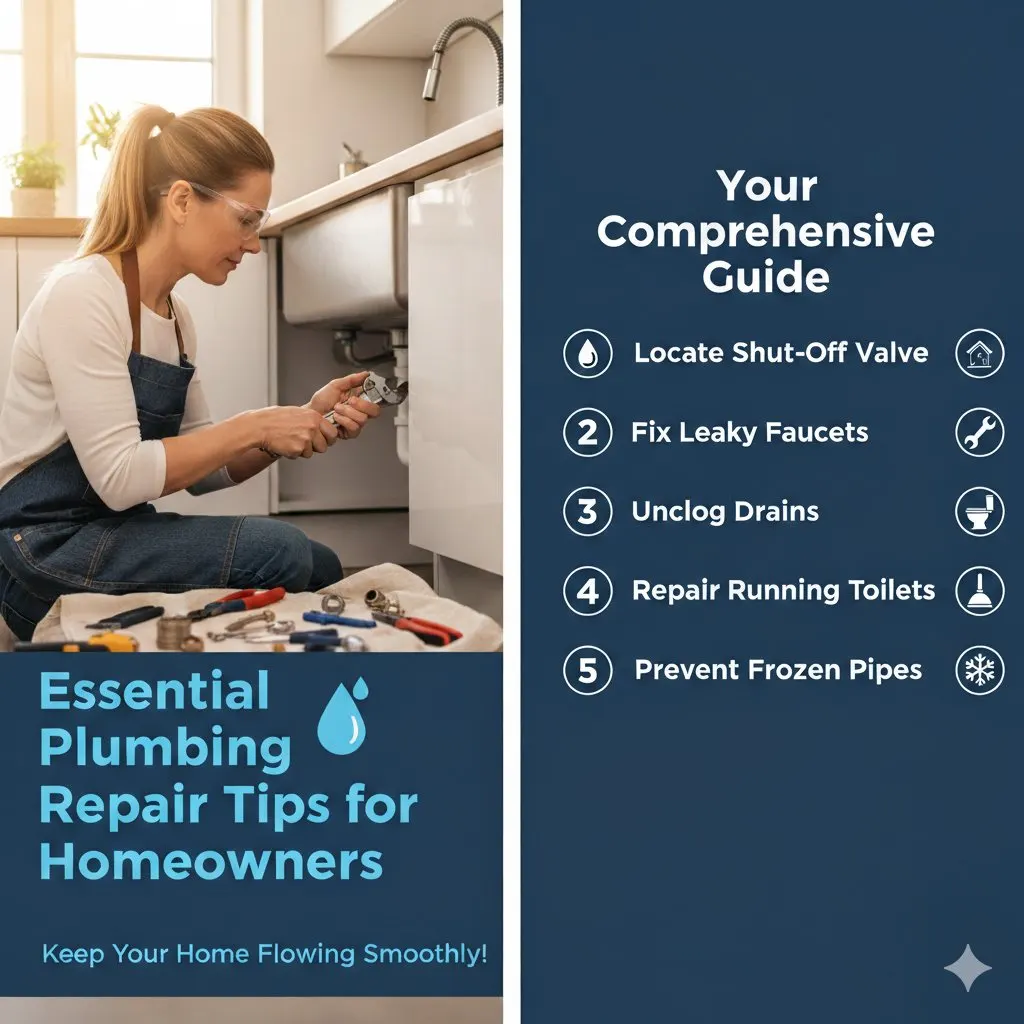
This comprehensive guide will equip you with practical knowledge to handle minor plumbing issues confidently while recognizing situations that require professional expertise. By implementing these strategies, you'll save money, prevent emergencies, and maintain your plumbing system's longevity. Whether you're a new homeowner or looking to expand your maintenance skills, these insights will help you become more self-sufficient in managing your home's plumbing needs.
Essential Plumbing Repair Tips
Implementing effective plumbing repair tips for homeowners begins with developing consistent inspection habits and proactive maintenance routines. These fundamental practices will help you identify potential problems early and maintain optimal system performance.
Regularly Check for Leaks
Conduct monthly visual inspections of all visible pipes, faucets, and fixtures throughout your home.
Look for water stains, rust, corrosion, or pooling water around toilets, sinks, and appliances. Check
under kitchen and bathroom sinks, around water heaters, and in basements or crawl spaces. Even small drips can waste thousands of gallons annually and indicate developing problems. Test your water meter by turning off all water sources and monitoring for movement, which suggests hidden leaks requiring immediate attention.
Use Drain Screens to Prevent Clogs
Install mesh screens or strainers in all drains to catch hair, food particles, and debris before they enter your plumbing system. These inexpensive devices prevent most common plumbing problems related to blockages. Clean screens regularly and replace them when damaged. In kitchen sinks, avoid disposing of grease, coffee grounds, or fibrous vegetables down drains, as these materials accumulate and create stubborn clogs over time.
Know How to Shut Off Your Water Supply
Locate and test your main water shutoff valve, typically found near your water meter or where the main line enters your home. Ensure all family members know its location and how to operate it during plumbing emergency situations. Additionally, identify individual shutoff valves for toilets, sinks, and appliances. These local shutoffs allow you to isolate problems without disrupting water service to your entire home. Label valves clearly and test them annually to ensure proper function.
Maintain Your Water Heater
Flush your water heater annually to remove sediment buildup that reduces efficiency and shortens equipment life. Check the temperature setting, keeping it around 120°F for optimal performance and safety. Inspect the pressure relief valve and surrounding pipes for leaks or corrosion. Replace the anode rod every 3-5 years to prevent tank corrosion. Schedule professional inspections for gas units to ensure safe operation and compliance with manufacturer warranties.
Proper Disposal of Waste
Never flush inappropriate items like feminine hygiene products, diapers, cat litter, or medications down toilets. These materials cause blockages and can damage sewage treatment systems.
Dispose of cooking oils and grease in containers rather than pouring them down drains. Use garbage disposals sparingly and run cold water while operating them. Educate household
members about proper disposal practices to prevent costly repairs and environmental damage.
Tools Every Homeowner Should Have
Having the right plumbing tools for homeowners readily available enables you to address minor issues quickly and effectively, often preventing small problems from becoming major emergencies.
Plunger Invest in both cup and flange plungers for different applications. Cup plungers work best for sinks and tubs, while flange plungers are designed specifically for toilets. Quality plungers
create better seals and provide more effective suction. Store plungers in easily accessible locations and clean them thoroughly after each use. A good plunger can resolve most minor drain blockages without chemicals or professional intervention.
Pipe Wrench A sturdy pipe wrench is essential for gripping and turning pipes, fittings, and large nuts.
Choose an adjustable model between 10-14 inches for versatility. The serrated jaws provide excellent grip on round surfaces but can scratch fixtures, so use them carefully on visible plumbing. Pipe wrenches are invaluable for tightening loose connections and removing stubborn fittings during repairs.
Adjustable Wrench
An adjustable wrench handles smaller nuts and bolts that pipe wrenches cannot accommodate.
Select a 10-inch model for most household applications. These wrenches work well on supply
line connections, faucet nuts, and fixture installations. Keep the wrench clean and lubricate the adjustment mechanism periodically for smooth operation.
Teflon Tape
Also called plumber's tape, this thin white tape seals threaded pipe connections and prevents leaks. Wrap tape clockwise around male threads before making connections. Use 2-3 wraps for most applications, ensuring complete coverage without overlapping onto the first thread.
Teflon tape is inexpensive, easy to use, and prevents many common leak problems in threaded joints.
Various Screwdrivers
Maintain a set of both flathead and Phillips head screwdrivers in multiple sizes. Many plumbing fixtures use screws for assembly and adjustment. Having the correct size prevents stripped screws and damaged components. Consider investing in a multi-bit screwdriver for convenience and space savings.
Understanding Your Plumbing System
Familiarizing yourself with your home's plumbing system components and functions helps you communicate effectively with professionals and identify potential issues during routine inspections.
Your plumbing system consists of two main subsystems: the water supply system that brings fresh water into your home, and the drainage system that removes wastewater. The supply
system operates under pressure, delivering water to fixtures throughout your house. Supply lines are typically copper, PEX, or CPVC pipes that branch from the main line to individual fixtures. Hot water lines connect to your water heater, while cold water lines run directly from the main supply.
The drainage system relies on gravity to move wastewater through drain pipes to your sewer connection or septic system. These pipes are usually PVC or cast iron and include traps that hold water to prevent sewer gases from entering your home. Vent pipes extend through your roof, allowing air into the drainage system to maintain proper flow and prevent vacuum conditions
that could slow drainage.
Understanding common plumbing terms helps you describe problems accurately. A "trap" is the
curved pipe section under sinks that holds water as a barrier against sewer gases. "Supply stops"
are the small valves that control water flow to individual fixtures. The "main stack" is the large
vertical pipe that carries waste from upper floors to the sewer line.
Recognizing signs of plumbing problems enables early intervention. Slow drains indicate
developing clogs, while gurgling sounds suggest venting issues. Water pressure changes might signal supply line problems or fixture malfunctions. Unusual odors could indicate trap seal failures or sewer line issues requiring immediate attention.
When to Call a Professional
While DIY plumbing repairs can save money and provide satisfaction, certain situations require professional expertise to ensure safety and prevent costly damage.
Major water leaks, especially those involving supply lines or sewer connections, need immediate professional attention. If you discover water pooling around your home's foundation,
experience sudden pressure loss throughout the house, or notice sewage backing up into fixtures, contact a professional plumber immediately. These plumbing emergency situations can cause extensive property damage and health hazards if not addressed promptly by qualified technicians.
Gas-related plumbing work, including water heater installations or repairs, requires licensed professionals due to safety regulations and code requirements. Similarly, major remodeling projects involving permit requirements, pipe rerouting, or fixture relocations need professional
planning and execution to ensure compliance with local building codes.
Consider cost-benefit analysis when deciding between DIY and professional repairs.
While replacing a toilet flapper costs a few dollars, attempting complex repairs without proper knowledge might result in damage exceeding the original professional service cost. Professional plumbers provide warranties on their work and carry insurance protecting you from liability. They also have specialized tools and experience handling unexpected complications that often arise during plumbing projects.
Conclusion and Ongoing Maintenance
Implementing these plumbing repair tips for homeowners will significantly reduce your likelihood of experiencing costly emergencies while extending your plumbing system's lifespan.
Regular maintenance, proper tool availability, and system knowledge form the foundation of effective home plumbing care.
Establish a monthly inspection routine checking for leaks, testing fixtures, and cleaning drains.
Create an annual maintenance schedule including water heater flushing, valve testing, and
professional inspections for major components. Document your maintenance activities and any issues discovered, creating a valuable reference for future repairs or professional consultations.
Remember that prevention costs far less than emergency repairs. Small investments in quality tools, regular maintenance, and professional inspections protect your home's value and your family's comfort. Stay informed about your plumbing system's condition and don't hesitate to
seek professional help when situations exceed your comfort level or expertise.
Ready to ensure your plumbing system operates flawlessly year-round? Contact K and K
Plumbing Ohio at 330-875-8003 for professional inspections, emergency repairs, and expert maintenance services. Our experienced team provides transparent pricing and reliable solutions for all your plumbing needs. Visit https://kandkplumbing.com/ to schedule your comprehensive plumbing evaluation today and protect your home with professional care you can trust.
Have a question about this topic? Contact K & K Plumbing or call 330-875-8003 for a free estimate.