Maximizing Home Efficiency: The Benefits
of Upgrading to a Tankless Water Heater Are you aware that a traditional water heater can consume more energy than any other household appliance? Transitioning to a tankless water heater not only saves watts but revolutionizes your home's energy efficiency. This article will guide you through the key advantages of upgrading, including significant energy savings and space maximization. You'll learn how tankless designs require fewer plumbing services over time and the importance of features like a check valve in maintaining system health. By the end, you'll be equipped to evaluate the investment and take actionable steps to upgrade, potentially saving gallons of water and energy dollars annually.
Understanding Tankless Water Heaters:
A Revolution in Home Efficiency As you consider upgrading your home's utility systems, tankless water heaters stand out as a transformative solution. Unlike traditional storage water heaters, a Noritz tankless unit offers you continuous hot water on demand, ensuring you never face the inconvenience of running out. This section will compare traditional and tankless water heaters, dispel prevalent myths about tankless technology, and guide you in choosing the ideal instant hot water system for your home. Expect responsive customer service and tailored advice to meet your specific needs, all while optimizing your home's energy efficiency.
How Tankless Water Heaters Provide Endless Hot Water
Imagine turning on your shower and experiencing an unending stream of hot water. This is the reality with a tankless water heater, which heats water directly without the need for a storage tank. When you open a hot water tap, cold water travels through a pipe into the unit, and either a gas burner or an electric element heats the water. As a result, tankless water heaters deliver a constant supply of hot water, which means you don't have to wait for a storage tank to fill up with enough hot water.
Moreover, the integration of advanced technologies such as the Retex 36 system in tankless water heaters allows for remarkable energy efficiency. Unlike traditional water heaters that keep a large volume of water at a constant temperature, tankless options use energy only when you need hot water. This on-demand heating not only reduces energy consumption but also minimizes the strain on your plumbing fixtures, ensuring a longer lifespan and fewer maintenance issues.
Additionally, for those of you interested in sustainable living practices, tankless water heaters can be easily paired with greywater and rainwater harvesting systems. This synergy allows for the conservation of water and energy, as the efficient electric heating process of tankless units complements the eco-friendly nature of water reuse. By choosing a tankless water heater, you're not just ensuring endless hot water; you're also making a conscious choice to reduce your environmental footprint.
Traditional vs. Tankless Water Heaters: A Comparative Overview
When you compare traditional water heaters with a waterless tank heater, the differences in efficiency and convenience become clear. Traditional models require significant space for the storage tank and continuously heat water, leading to energy waste. In contrast, a waterless tank heater like the Stiebel Eltron tankless model activates only when you need hot water, which can significantly reduce your energy bills and free up valuable space in your home.
If you're searching for 'Rinnai service near me' or 'Navien service technicians near me', you're likely looking for reliable maintenance for your current system. However, upgrading to a tankless water heater could decrease your reliance on frequent servicing. With fewer moving parts and no tank to corrode, tankless systems often require less maintenance, and when service is needed, it's typically less complex than repairing a traditional water heater's
thermostat or tank.
Choosing a tankless water heater not only provides you with continuous hot water but also
aligns with a forward-thinking approach to home management. As you consider your options, remember that a tankless system, such as those offered by Stiebel Eltron, can offer a seamless transition to a more efficient and eco-friendly lifestyle, ensuring that your home's hot water needs are met with precision and reliability.
Debunking Common Myths About Tankless Technology
One prevalent misconception is that tankless heaters cannot supply enough hot water for simultaneous uses, such as running a dishwasher while someone showers. However, with advancements in technology, modern tankless systems are designed to handle the demands of your household efficiently. A high-quality tankless heater, powered by natural gas or electricity, can deliver hot water to multiple fixtures without a hitch, ensuring your daily routines continue uninterrupted.
Another myth suggests that tankless water heaters are prohibitively expensive to install, especially when retrofitting an existing system. While the initial investment may be higher than traditional heaters, the long-term savings on your energy bills and the extended lifespan of a tankless system make it a financially sound choice. Moreover, some models come with features like an integrated pump that recirculates water, further enhancing efficiency and reducing water waste in your home.
Lastly, there's a belief that tankless heaters require more maintenance than their tank counterparts. In reality, tankless units often have fewer issues related to sediment build-up and corrosion, thanks to their on-demand heating mechanism. Regular maintenance is straightforward and can be less frequent, particularly for systems that use natural gas, which burns cleaner than other fuels. By choosing a tankless heater, you're opting for a robust solution that stands up to the daily demands of your household.
Selecting the Right Tankless Unit for Your Home Needs
When you're ready to select a tankless water heater, consider the size of your home and your hot water needs. A unit with a robust heat exchanger will efficiently meet high demands, ensuring that you enjoy a steady flow of hot water. For instance, the Retex 18 model is designed to accommodate the simultaneous operation of multiple appliances, making it an excellent choice for larger households.
It's essential to look for a tankless water heater with built-in safety features, such as a sensor that prevents freezing. This is particularly important if you live in an area with cold winters, as it helps protect the unit from weather-related damage. The sensor works by activating the heating element just enough to keep the system from freezing, thus ensuring its longevity and reliability.
Lastly, prioritize energy efficiency when choosing your tankless water heater. Look for models that boast advanced energy-saving technologies, such as those that modulate the heating element to match your real-time usage. This not only reduces your energy consumption but also lowers your monthly utility bills, making the investment in a tankless system both eco-friendly and economically beneficial.
Key Advantages of Upgrading to a
Tankless Water Heater Upgrading to a tankless water heater means embracing a host of benefits that enhance your home's efficiency and comfort. You'll enjoy instantaneous hot water without the wait, significantly reduce energy consumption, and revel in the environmental benefits of a more sustainable system. Tankless units are renowned for their longevity, outlasting traditional tanks,
and they minimize the risk of leaks that could lead to water damage. Each of these advantages, from the seamless delivery of hot water to the integration of a dual flush toilet for water conservation, will be explored in the following sections, providing you with the insights needed to make an informed decision.
Enjoy Instant Hot Water Without Delays
As a homeowner, you understand the value of time and convenience. Upgrading to an electric instant hot water system ensures that you never have to endure the frustration of waiting for water to heat up. The moment you turn on the tap, you're greeted with a steady flow of warmth, thanks to the rapid heating capabilities of tankless technology.
Consider the efficiency of modern tankless water heaters, which are designed to minimize heat loss. With proper pipe insulation and a high-quality valve system, your tankless unit delivers hot water directly to your faucets without the standby energy losses associated with traditional tanks. This means not only instant comfort for you, the owner, but also reduced
utility bills and a smaller carbon footprint.
Imagine the ease of managing your household when hot water is always at the ready. Whether
you're washing dishes, doing laundry, or taking a shower, the transition to an electric instant hot water heater is a game-changer. You'll enjoy the benefits of this upgrade with every use, solidifying your role as a savvy homeowner who values both efficiency and practicality.
Reduce Energy Consumption and Environmental Impact
When you switch to a tankless water heater, you're not just ensuring a continuous hot water supply; you're also taking a significant step towards reducing your home's energy consumption. These systems are designed to heat water on demand, eliminating the need to maintain a hot water reserve 24/7, which is a common inefficiency in traditional water heaters.
This means you're using propane or electricity only when necessary, leading to potential savings on your energy bills and possibly qualifying you for a rebate from energy conservation programs.
By choosing tankless plumbing solutions, you're contributing to a more sustainable water supply management in your home. The absence of a storage tank reduces the risk of standby heat loss, and the precise control over water heating means less wasted energy. This efficiency translates into a lower environmental impact, as you're using fewer resources to achieve the same level of comfort and convenience in your daily routines.
Moreover, the environmental benefits of tankless water heaters extend beyond just energy savings. By reducing the demand on your home's heating system, you're also contributing to a decrease in overall greenhouse gas emissions. Whether you're using a gas or electric model, the improved efficiency of tankless heaters means less fuel is burned, and fewer emissions are released into the atmosphere, making your choice a responsible one for the planet.
Benefit From the Extended Lifespan of Tankless Systems
When you invest in a tankless hot water system, you're not just enhancing your home's efficiency; you're also securing a product with a notably longer lifespan. Traditional water heaters, with their susceptibility to rust and sediment buildup, often require replacement every 10 to 15 years. In contrast, tankless models, with their on-demand functionality, experience less wear and tear, extending their service life significantly, often beyond 20 years. This longevity means you can enjoy the benefits of your investment for a longer period, reducing the frequency and costs associated with recycling old units and installing new ones.
Moreover, the design of tankless systems minimizes the risk of water damage to your floors and walls, a common issue with tank-based heaters that can leak or burst. By eliminating the tank, you reduce the potential for costly water damage and the associated repairs. This aspect of tankless technology not only protects your home's infrastructure but also conserves water resources by preventing large-scale leaks, contributing to a more sustainable management of vital resources.
Lastly, the maintenance of tankless hot water systems is often simpler due to their construction and operation. With fewer internal parts and no tank to descale or drain, you'll find that routine maintenance is a straightforward process. This ease of upkeep not only saves you time and money but also ensures that your system operates at peak efficiency, delivering hot water through your pipes whenever you need it, without the worry of unexpected breakdowns or inefficiencies.
Minimize Risks of Water Damage and Leaks
Upgrading to a Rinnai tankless water heater significantly reduces the risk of water damage in your home. Traditional water heaters, with their large tanks, can fail due to pressure issues or leaks, leading to costly repairs. Tankless models, on the other hand, have no tank to burst and typically include advanced pressure monitoring systems that prevent such disasters, safeguarding your home from unexpected water damage.
With a tankless system, you can say farewell to the worry of a pilot light going out and causing a leak. These modern units are designed to be safer and more reliable, with features that ensure consistent operation without the risks associated with traditional water heaters. Plus, the robust warranty that often accompanies a tankless water heater provides you with peace of mind, knowing that your investment is protected.
When you choose a tankless water heater, you're not only opting for efficiency but also for a more secure home environment. The absence of a large water reservoir minimizes the chances of leaks and the subsequent water damage that can follow. This proactive choice reflects a commitment to maintaining the integrity of your home while enjoying the continuous flow of hot water.
Lowering Energy Bills With Efficient
Plumbing Upgrades
Embracing tankless water heater technology not only streamlines your home's hot water delivery but also significantly trims your energy bills. You'll learn how these systems slash energy use, directly impacting your carbon footprint. We'll guide you through calculating your potential savings and uncovering rebates and incentives, including tax credits, for making the switch. Plus, you'll hear from homeowners who've successfully integrated Rinnai hot water systems, reaping financial benefits while contributing to a greener future. Whether it's at the sink or in the drain, efficiency is paramount, and these real-life examples will demonstrate just that.
How Tankless Systems Cut Energy Use
By eliminating the need for a storage tank, tankless water heaters significantly reduce energy consumption. The on-demand nature of these systems means that energy is only expended when hot water is required, avoiding the constant cycle of heating and reheating water that plagues traditional tank heaters. This targeted use of energy not only lowers your bills but also enhances the sustainability of your home's utilities.
Advanced leak detection technology in tankless water heaters contributes to their efficiency.
You're alerted to potential issues before they escalate, preventing water and energy waste.
Moreover, the compact design of tankless systems often requires less ventilation, further reducing energy use by minimizing heat loss during the transfer of hot water to your taps.
Transitioning to a tankless water heater can transform your approach to energy management.
With no storage tank to maintain, the risk of standby heat loss is virtually eliminated, ensuring that the energy you pay for goes directly into heating the water you use. This efficient operation is a key factor in achieving a more sustainable and cost-effective home environment.
Calculating Potential Savings Over Time
When you switch to an Energy Star-rated tankless water heater, you're investing in a system that's designed to minimize waste and maximize efficiency. By heating water only as it's needed, you avoid the energy losses associated with keeping a boiler's reservoir hot 24/7.
Over time, this can translate into substantial savings on your utility bills, as you're not paying to heat water that isn't being used.
Understanding the impact of water conservation on your finances is crucial, and a tankless system excels in this area. By eliminating the need to store and constantly reheat water, you're not only conserving a precious resource but also reducing the strain on your wallet. Consider the long-term benefits: a tankless water heater typically has a longer lifespan than traditional models, meaning your initial investment pays dividends in reduced energy costs for years to come.
Moreover, if your home is equipped with a heat pump, integrating a tankless water heater can enhance overall energy efficiency. This synergy allows for the heat pump to operate less frequently, as the tankless unit provides hot water on demand, further reducing your energy consumption. As you calculate potential savings, factor in this reduced workload on your heating system, which can lead to even lower energy bills and a smaller carbon footprint.
Exploring Rebates and Incentives for Upgrades
When you upgrade your heating system to a tankless water heater, you may be eligible for various rebates and incentives that can offset the initial cost. These financial incentives are often provided by government agencies and utility companies to encourage the adoption of energy-efficient technologies that conserve natural resources. By researching available rebates in your area, you can make the transition to hot water on demand more affordable and sustainable.
Investing in a tankless water system not only reduces your energy consumption but can also lead to significant savings through tax credits and utility rebates. These programs are designed to reward your choice to use less energy and protect our natural resources. To maximize your benefits, consult with a tax professional or local utility representative who can guide you through the process of claiming these incentives.
Switching to a tankless water heater aligns with global efforts to conserve natural resources, and many regions offer incentives to support this eco-friendly upgrade. By taking advantage of these programs, you're not just enjoying the convenience of hot water on demand; you're also contributing to a larger movement towards resource conservation. Keep in mind that these incentives can change, so stay informed about the latest opportunities to ensure you don't miss out on potential savings.
Real-Life Success Stories From Homeowners
One homeowner's journey into green building began with the installation of a tankless water heater, leading to a marked decrease in energy bills. They reported not only enjoying endless showers without the guilt of excessive energy use but also taking pride in their home's improved water efficiency. This shift to renewable energy sources in their daily routine underscores the tangible benefits of embracing eco-friendly upgrades.
In a neighborhood initiative, several households transitioned to tankless water heaters, collectively enhancing the community's commitment to reuse and sustainability. These families have experienced a significant reduction in energy consumption, with one homeowner sharing how their new system seamlessly supports their rainwater harvesting setup, further contributing to their green lifestyle and lowering utility costs.
Another homeowner found that after upgrading to a tankless water heater, they could capitalize on renewable energy incentives, adding solar panels to their energy mix. This integration has not only boosted their water efficiency but also allowed them to become nearly energy-independent, showcasing the synergy between tankless technology and renewable energy solutions for a more sustainable home environment.
Maximizing Space With Compact
Tankless Designs Embrace the shift towards environmentally friendly living with a sleek, space-saving upgrade to your home's efficiency. Wall-mounted units like the Navien tankless or Retex 27 not only free up floor space but also integrate seamlessly with home automation systems. You'll discover flexible installation options that cater to any home layout, and the aesthetic appeal of
these compact designs enhances your living environment. Let's delve into how these innovative tankless water heaters can transform your space and streamline your lifestyle.
Save Space With Wall-Mounted Units
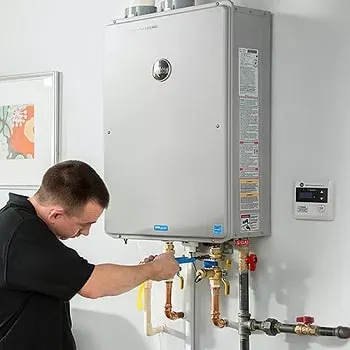
Integrating a Rinnai tankless water heater into your home not only optimizes energy consumption but also conserves precious living space. These sleek, wall-mounted units eliminate the need for bulky storage tanks, freeing up square footage for other uses. You'll appreciate the extra room, whether it's for storage or to maintain a more open, uncluttered home environment.
With the wall-mounted design of tankless water heaters, you can reclaim the space traditionally reserved for a large water heater and repurpose it for more practical needs. Imagine an additional closet, a new area for your flush toilet, or even expanded space for indoor gardening and irrigation systems. This efficient use of space is particularly beneficial in smaller homes or apartments where every inch counts.
The compact nature of tankless units also contributes to a more streamlined and aesthetically pleasing home. By mounting your water heating system on the wall, you maintain a tidy and organized utility area, allowing for easier access and maintenance. This modern approach to water heating not only enhances the functionality of your home but also aligns with a contemporary design ethos that values efficiency and minimalism.
Flexible Installation Options for Any Home
When you're considering a tankless water heater for your home, the flexibility of installation is a significant advantage. These units can be mounted in a variety of locations, including under sinks in the bathroom or kitchen, in closets, or even in a garage, ensuring that efficiency doesn't come at the expense of your living space. This versatility is particularly beneficial during construction or renovation, allowing you to integrate a tankless system without compromising your home's design or functionality.
Your pursuit of a more efficient home can extend to even the most compact areas with a tankless water heater. The small footprint of these units means you can optimize bathroom space, avoiding the clutter and spatial demands of traditional water heaters. This opens up new possibilities for bathroom design, where every square inch is valuable, and maintaining a clean, open aesthetic is often a priority.
Embracing the efficiency of a tankless water heater doesn't require a major overhaul of your existing plumbing. Many models are designed for easy integration with current systems, minimizing construction needs and disruption to your home. This ease of installation, coupled with the potential for immediate energy savings, makes the transition to tankless water heating a practical and appealing choice for enhancing your home's efficiency.
Enhancing Home Aesthetics With Sleek Designs
When you upgrade to a tankless water heater, you're not just choosing energy efficiency;
you're also embracing a design that complements your home's interior. The sleek, modern
appearance of units like the EcoSmart ECO 27 integrates effortlessly into your decor, serving as a subtle yet sophisticated addition to your space. This seamless blend of form and function enhances the overall aesthetic of your home, making the utility area a point of pride rather than an eyesore.
Your decision to install a tankless water heater can transform a purely functional space into one with a contemporary edge. The compact, streamlined design of a Rheem RTEX-13, for example, doesn't intrude on your living area, allowing you to maintain a minimalist and orderly environment. This thoughtful integration of technology and design ensures that your home
remains a sanctuary of style and comfort.
As you consider the visual impact of a tankless water heater, think of it as an investment in your
home's ambiance as well as its efficiency. The wall-mounted profile of a Navien tankless model offers a clean, uncluttered look that can be easily concealed or showcased, depending on your preference. By choosing a design that aligns with your home's aesthetic, you elevate the practicality of on-demand hot water to an art form, enhancing both the value and appeal of your living space.
Evaluating the Investment in a Tankless
Water Heater When considering a tankless water heater, it's essential to weigh the initial costs against the long-term benefits, understand the maintenance requirements, and assess your household's hot water demand. Reading testimonials from satisfied customers can also provide valuable insights. This section will guide you through these critical considerations, ensuring you make an
informed decision that maximizes home efficiency and aligns with your lifestyle needs.
Weighing Initial Costs Against Long-Term Benefits
When you consider the upfront cost of a tankless water heater, it's vital to recognize the long-term savings on your energy bills. These efficient systems operate only when hot water is needed, significantly reducing energy consumption compared to traditional tank heaters. Over time, the reduction in monthly utility costs can offset the initial investment, making the switch to tankless a financially savvy decision for your home.
Investing in a tankless water heater also means you're opting for a durable solution with a longer lifespan than conventional models. With less wear and tear from constant heating, tankless units often last beyond 20 years, providing you with reliable hot water for decades.
This extended service life translates to fewer replacements and repairs, ultimately saving you money and hassle.
As you evaluate the cost-effectiveness of a tankless water heater, consider the potential for rebates and tax incentives. Many governments and utility companies offer financial incentives to encourage energy-efficient home upgrades. These savings, coupled with the reduced operational costs, make tankless water heaters an economically attractive option that aligns
with your goal of maximizing home efficiency.
Understanding Maintenance Requirements
Understanding the maintenance requirements of a tankless water heater is crucial for ensuring its longevity and efficiency. Unlike traditional models, tankless units typically demand less frequent servicing, thanks to their on-demand operation which reduces wear and tear. You'll need to schedule routine check-ups to inspect elements like the in-line filter and to ensure the heating element is functioning optimally, but these are generally straightforward tasks that can be managed with minimal disruption to your daily life.
When you invest in a tankless water heater, you're also investing in a system renowned for its durability and reduced maintenance needs. However, it's important to note that hard water can lead to mineral buildup, which may necessitate occasional descaling to maintain peak performance. This process, often a simple flush with a vinegar solution, can be easily performed by you or a professional, keeping your tankless unit running smoothly.
Regular maintenance of your tankless water heater not only preserves its function but also ensures you continue to enjoy the cost and energy savings associated with this upgrade. By staying proactive with upkeep, such as checking for software updates on digitally controlled units or replacing worn components, you safeguard your hot water supply and protect your investment. This attention to maintenance allows you to reap the full benefits of your tankless water heater for years to come.
Assessing Your Household's Hot Water Demand
Before you invest in a tankless water heater, it's essential to evaluate your household's hot water usage. Consider the number of bathrooms, frequency of simultaneous appliance use, and peak demand times to determine the capacity and flow rate needed for your new system. This assessment ensures that the tankless unit you select can handle your daily hot water needs efficiently without overburdening the system.
Understanding the specific hot water requirements of your household appliances and fixtures is crucial. For instance, high-efficiency showerheads and modern dishwashers have different flow rates, which impact the overall demand on your tankless water heater. By calculating the combined flow rates of these devices, you can choose a tankless model that provides a seamless supply of hot water, tailored to your home's unique needs.
Lastly, consider the future scalability of your hot water system. If you plan to expand your home or anticipate increased water usage, opting for a tankless water heater with a modulating temperature control can offer the flexibility you need. This feature allows the unit to adjust the heating output in response to the flow rate, ensuring consistent hot water delivery even as demands change over time.
Reading Testimonials From Satisfied Customers
Exploring testimonials from homeowners who have made the switch to tankless water heaters can offer you valuable insights into the real-world benefits of these systems. You'll find accounts of significantly lowered energy bills and the convenience of continuous hot water, which can help you gauge the potential impact on your own home. These stories often highlight the ease of installation and the space-saving advantages that could transform your utility area.
Reading through customer experiences, you'll notice a common theme of satisfaction with the enhanced water heating efficiency and the reduction in maintenance requirements. Such feedback can reassure you of the reliability and long-term performance of tankless water heaters, making it easier for you to decide if this upgrade aligns with your home efficiency goals. These firsthand accounts serve as practical examples of the system's effectiveness in
meeting diverse household needs.
Customer testimonials also frequently mention the peace of mind that comes with a durable
product backed by a robust warranty. As you consider your options, these success stories can guide you toward a tankless water heater that not only meets your immediate hot water demands but also promises a lasting solution to your energy efficiency concerns. This direct feedback from satisfied users can be instrumental in your decision-making process, offering actionable insights into the tangible benefits of going tankless.
Steps to Upgrade to a Tankless Water
Heater System Embarking on the upgrade to a tankless water heater system is a strategic move towards enhancing your home's efficiency. You'll need to evaluate your current plumbing infrastructure
to ensure compatibility, select a qualified professional for installation, and prepare your home for the transition. Post-installation, we'll provide you with tips to maintain optimal operation and highlight the importance of regular maintenance to sustain efficiency. Each step is crucial for a
seamless upgrade and to reap the full benefits of your new tankless water heater.
Assessing Your Current Plumbing Infrastructure
Before you embrace the efficiency of a tankless water heater, it's essential to evaluate your existing plumbing system to ensure it can support the new technology. This involves checking the condition and size of your current pipes, as well as the gas line if you're considering a gas-powered unit. A professional assessment can identify any modifications needed to accommodate the higher flow rates and ensure your system is up to code, paving the way for a smooth installation.
Understanding the capacity of your current water heater is crucial in determining the right tankless model for your home. You'll want to consider the peak hot water usage and whether your existing setup can handle the demands of a tankless unit without extensive upgrades. A qualified plumber can provide insights into the compatibility of your system with tankless options, guiding you toward a choice that aligns with your home's infrastructure and your efficiency goals.
Assessing the location of your water heater is another key step in preparing for a tankless upgrade. You need to ensure there's adequate space for installation and that the new unit can be easily connected to your home's power supply and water lines. By considering these logistical details, you can anticipate any potential challenges and address them proactively, ensuring a seamless transition to your new, energy-saving tankless water heater.
Choosing a Qualified Professional Installer
Choosing a qualified professional installer for your tankless water heater is a critical step in ensuring the system operates efficiently and safely. You should seek a licensed plumber with specific experience in tankless units, as they will have the expertise to handle the unique installation requirements. Their familiarity with local building codes and the ability to secure necessary permits will provide you with confidence that your installation is compliant and professionally managed.
When you select an installer, verify their track record by requesting references or reading reviews from previous customers. A reputable professional will be transparent about their qualifications and happy to showcase their successful installations. This due diligence on your part ensures that your tankless water heater will be installed with precision, optimizing its performance and extending its lifespan.
Ensure the installer you choose offers a comprehensive service that includes a thorough inspection post-installation. This step is vital to confirm that every component of your tankless water heater is functioning correctly and that the installation adheres to the highest industry standards. A meticulous approach to installation and inspection can prevent future issues, saving you time and money while maximizing your home's energy efficiency.
Preparing Your Home for the Upgrade
Before the arrival of your new tankless water heater, you'll want to prepare your home to ensure a smooth installation process. This means clearing the area where the unit will be installed, providing easy access for the technicians. It's also wise to check that your electrical system meets the requirements for the new heater, as some models may need a dedicated circuit.
Ensuring your existing plumbing can accommodate the tankless water heater is another crucial step. You might need to upgrade your pipes or adjust the water flow to match the specifications of your new system. A professional can help you determine if any changes are necessary, so you're ready for the transition to more efficient water heating.
Lastly, consider the ventilation in the space where your tankless water heater will be installed, especially if you're opting for a gas-powered model. Proper ventilation is essential for safety and optimal performance, so you may need to make modifications to your home's current venting system. Consulting with your installer beforehand can help you address this aspect and avoid any delays during the upgrade.
Tips for Optimal Operation Post-Installation
After installing your tankless water heater, it's essential to familiarize yourself with the system's operation to maintain its efficiency. Regularly check the manufacturer's guidelines to ensure you're using the unit within its intended capacity, which will help prevent overloading and prolong the lifespan of your heater. This proactive approach to understanding your tankless system will keep it running smoothly and contribute to your home's overall energy efficiency.
To optimize the performance of your tankless water heater, you should periodically inspect the in-line screen filter for debris. This simple maintenance task can prevent blockages and maintain a consistent flow of hot water, ensuring your system operates at peak efficiency. By keeping an eye on this small but crucial component, you'll avoid unnecessary service calls and enjoy uninterrupted access to hot water.
Lastly, consider scheduling an annual inspection with a qualified technician to ensure your tankless water heater is in top condition. They can perform a comprehensive check of the system, including the burners and ventilation, to identify any potential issues before they escalate. This regular professional oversight will not only extend the life of your unit but also safeguard the energy savings you expect from your tankless water heater investment.
Scheduling Regular Maintenance for Efficiency
To ensure your tankless water heater operates at peak efficiency, scheduling regular maintenance is key. A professional technician can perform an annual service check to clean and inspect the unit, keeping it running smoothly and extending its lifespan. This routine care not only maintains the system's efficiency but also helps you avoid unexpected repairs and preserve the energy savings you expect from your investment.
Regular maintenance of your tankless water heater also involves checking for any software updates if your system is digitally controlled. Staying current with the latest firmware can optimize performance and introduce new features that enhance efficiency. By keeping your system up-to-date, you ensure that you're always benefiting from the most advanced and energy-saving technology available.
Lastly, you can play a proactive role in the maintenance of your tankless water heater by monitoring its performance and noting any changes in water temperature or flow. If you detect any inconsistencies, it's wise to contact a service professional promptly. Early detection of potential issues can prevent larger problems down the line, ensuring your tankless water heater continues to contribute to your home's energy efficiency goals.
Conclusion
Upgrading to a tankless water heater marks a significant step towards maximizing home
efficiency, offering continuous hot water while reducing energy consumption and utility
bills. These systems not only boast a longer lifespan and lower maintenance requirements but also contribute to a more sustainable environment by minimizing energy waste and greenhouse gas emissions. With flexible installation options and sleek designs, tankless water heaters enhance both the functionality and aesthetics of your home. Ultimately, the investment in a tankless water heater is a smart choice for homeowners seeking to combine cost savings with environmental responsibility and improved quality of living.
Efficient Tankless Water Heater Installations by K & K Plumbing, LLC Upgrading to a tankless water heater is one of the best ways to improve your home’s energy efficiency while ensuring a continuous supply of hot water. Unlike traditional water heaters that store and heat a limited amount of water, tankless systems provide hot water on demand, reducing energy consumption and lowering utility bills. These modern units take up less space, have a longer lifespan, and eliminate the risk of tank leaks or water damage. At K and K Plumbing, we specialize in professional tankless water heater installations, ensuring you get the right system for your home’s needs. Our expert team will handle everything from selection to installation, so you can enjoy endless hot water and greater efficiency. Ready to upgrade? Contact K and K Plumbing today and start saving on your energy costs!
Have a question about this topic? Contact K & K Plumbing or call 330-875-8003 for a free estimate.