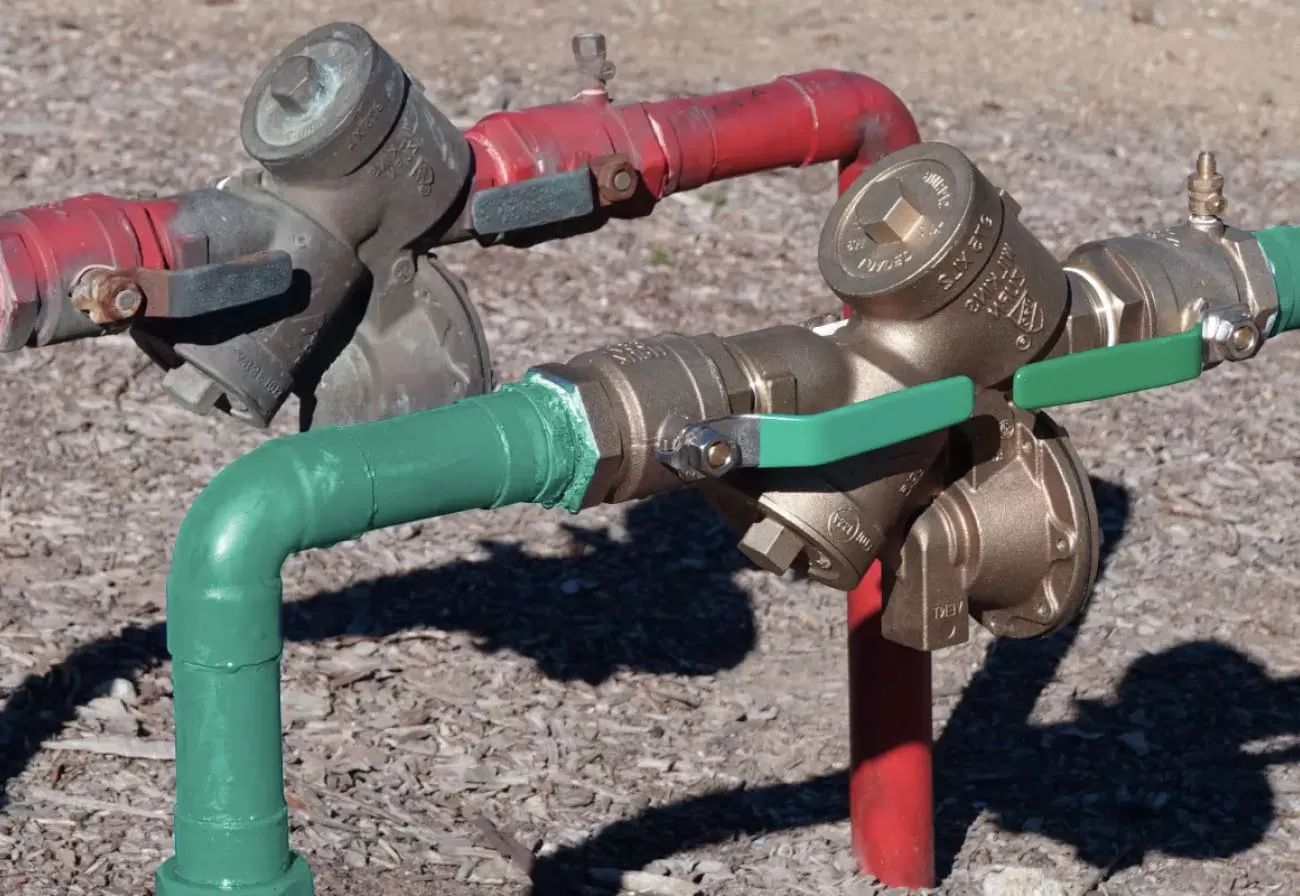
Have you ever considered the invisible risks lurking in your home's plumbing system?
Backflow prevention is a critical safeguard against contaminants that could reverse flow and
taint your water supply, posing a threat to your family's health. This article will delve into the essentials of backflow prevention, highlighting the importance of backflow valves and how they protect your home from the risks associated with contaminated water. You'll learn about the various devices available, their installation and maintenance, and the legalities ensuring your plumbing system's compliance and safety. By understanding and addressing this often-overlooked aspect of home safety, you'll ensure that activities like cooking and dusting remain safe from the hidden dangers of backflow.
Understanding Backflow and Its Risks
As you prioritize the safety of your home's plumbing, understanding backflow and its potential hazards is essential. Backflow occurs when water reverses direction, potentially introducing lead contamination and other pollutants into your clean water supply. This can happen due to various reasons, including changes in pressure within your fire sprinkler system or other plumbing fixtures. To safeguard your health and home, it's crucial to recognize common household situations that lead to backflow and the effects it can have on your plumbing system. Installing backflow prevention assemblies, such as a check valve, is a proactive step to ensure the purity of your water and the longevity of your appliances.
Identifying the Causes of Backflow in Homes
One prevalent cause of backflow in your home stems from cross-connections between potable and non-potable water sources. For instance, if your garden hose is left submerged in a pool or connected to a chemical sprayer, a sudden drop in water pressure can siphon contaminants back into your drinking water. To prevent such incidents, building codes often require the installation of a dual check valve, which ensures water flows in only one direction, protecting your family from the dangers of backflow.
Another factor contributing to backflow is the failure of pressure regulators or the occurrence of back siphonage due to a significant reduction in municipal water pressure. This can be caused by heavy water usage, such as firefighting activities or a major water main break. In these situations, a backflow prevention device equipped with an ultraviolet light can serve as an additional safeguard, neutralizing harmful microorganisms that may infiltrate your water supply.
Regular maintenance and backflow testing are vital to ensure the effectiveness of your prevention devices. While backflow testing cost may vary, investing in annual inspections is a small price to pay for the peace of mind that comes with knowing your water filter and backflow preventers are functioning correctly. This proactive approach not only secures your water quality but also aligns with health and safety regulations, keeping your home compliant and protected.
Health Risks Associated With Contaminated Water Supply
When your home's water supply becomes contaminated due to backflow, you're at risk of exposure to harmful bacteria and chemicals that can lead to serious health issues. An inspector can assess your plumbing fixtures and back flow valves to ensure they're functioning properly, protecting you from illnesses caused by pathogens in groundwater that may have seeped into your potable water. It's crucial for your safety to have these systems checked regularly.
Contaminated water can carry diseases such as dysentery, cholera, and lead poisoning, all of which pose significant health risks. By scheduling a routine inspection of your backflow prevention devices, you're taking a critical step in safeguarding your family's health. An experienced inspector will verify that your back flow valve is effectively preventing hazardous substances from entering your clean water supply.
Remember, the integrity of your drinking water hinges on the proper function of backflow prevention devices. If you notice changes in water pressure or quality, it's imperative to contact a professional immediately. They will conduct a thorough inspection and, if necessary, replace or repair any compromised plumbing fixture to ensure your water remains safe from contamination.
Common Household Situations That Lead to Backflow
One common household scenario that can lead to backflow is a drop in municipal water pressure, often unnoticed until you face plumbing issues. This can occur during large-scale water usage, such as local firefighting efforts, which may inadvertently introduce pollution into your home's water system. To mitigate this risk, it's wise to engage a certified backflow tester who can ensure your prevention devices are up to code and functioning properly, thus maintaining the safety of your water supply.
Another situation that might compromise your water's safety is the presence of cross-connections within your home's plumbing system. Imagine filling a swimming pool with a hose and leaving the end submerged; a backflow event could draw pool water back into your drinking supply. This underscores the importance of backflow preventers, which a certified backflow tester can install and maintain, keeping your water clean and contributing to a healthy diet and lifestyle.
Lastly, irrigation systems can be a culprit for backflow, especially if there's a sudden change in water pressure. If your system is not equipped with a proper backflow prevention device , fertilizers and pesticides could contaminate your potable water. Regular inspections by a certified professional can prevent such plumbing issues, ensuring the water you use for cooking and drinking remains free from harmful pollution.
Effects of Backflow on Plumbing Fixtures and Appliances
Backflow can have detrimental effects on your home's water distribution system, leading to the malfunction of plumbing fixtures and appliances. When contaminated water reverses flow, it can deposit minerals and pollutants that corrode pipes and damage the internal mechanisms of appliances like your dishwasher or washing machine. Ensuring your backflow prevention devices are in optimal condition is key to maintaining the integrity of your drinking water and the longevity of your home appliances.
Consider the impact of water pollution on your water heater; sediment and contaminants from backflow can accumulate at the bottom of the tank, reducing efficiency and potentially causing premature failure. By installing a backflow preventer, you're not only protecting your drinking water but also preventing costly damage to appliances that rely on a clean water supply, such as your water heater or pump.
Without proper backflow prevention, your fixtures and appliances may become the unintended recipients of polluted water, affecting not only their performance but also the quality of water you use daily. Regular inspections and maintenance of backflow preventers are crucial to avoid the introduction of harmful substances into your drinking water, ensuring that every glass you pour and every meal you prepare is free from contamination.
Safeguarding Your Home With Backflow Prevention Devices
Protecting your home's water quality is paramount, and backflow preventers are your first line of defense. These devices are crucial in preventing cross-connection contamination, ensuring that your plumbing system remains a bastion of food safety. As you consider the health of your household, a certified backflow tester is an invaluable ally, verifying that your water remains uncontaminated and safe for every use, from cooking on your cutting board to quenching your thirst. The benefits of installing backflow prevention devices extend beyond immediate health concerns, securing clean water and peace of mind for your family.
How Backflow Preventers Protect Your Water
Backflow preventers act as a barrier in your plumbing system, preventing the reverse flow of water from sources like drainage systems or flood zones into your clean water supply. By stopping contaminated water from loading back into your pipes, these devices play a crucial role in maintaining the sterilization of your drinking water, ensuring it remains safe for consumption and use in your home.
Imagine conducting an experiment in your home where you dye the water in your sink to track its flow. Without a backflow preventer, that colored water could reverse into your clean water supply during a pressure drop. This simple visualization underscores the importance of having a reliable device installed to protect your water from such occurrences, safeguarding your family's health and well-being.
During heavy rainfalls or municipal plumbing work, the risk of contaminated water entering your home's water system increases. Backflow preventers ensure that your home's water pressure remains stable, preventing any unwanted backflow and keeping your water supply clear of pollutants that could otherwise enter through compromised drainage systems. This protection is essential for your peace of mind, knowing that the water you rely on daily is shielded from external contamination.
Preventing Cross-Connection Contamination
To prevent cross-connection contamination, it's imperative to have a robust backflow prevention strategy in place. This includes installing devices like reduced pressure zone (RPZ)
assemblies, which are designed to protect your water supply from any potential contamination due to backflow. Regular inspection and maintenance of these devices are
not just a good practice but a requirement under the Safe Drinking Water Act, ensuring your home adheres to safety standards and provides you with safe drinking water.
If you discover a leak or suspect a tank might be compromised, immediate action is necessary to prevent contaminants from entering your potable water system. Scheduling an inspection
with a certified professional can identify any vulnerabilities in your plumbing, including potential cross-connections. By adhering to a strict inspection schedule, you can catch and rectify issues before they escalate, maintaining the purity of your water supply.
Remember, the safety of your drinking water hinges on the effectiveness of backflow preventers. Ensuring these devices are correctly installed and functioning is crucial. You can safeguard your home against the dangers of cross-connection contamination by consulting
with a plumbing expert who understands the intricacies of backflow prevention and can guide you in maintaining a secure and healthy water system.
Benefits of Installing Backflow Prevention Devices
Installing backflow prevention devices in your home's water supply network is a proactive measure that can significantly reduce the risk of contamination. By incorporating a pressure vacuum breaker or a similar valve, you protect your family from the dangers of pesticides and other pollutants that could otherwise backflow into your potable water. This simple step ensures that the water you use for cooking, including washing raw meat, remains uncontaminated and safe.
With a backflow preventer in place, you can maintain a consistent water quality, regardless of fluctuations in the municipal water pressure. These devices act as a safeguard, preventing any reversal of water flow that could introduce harmful substances into your home. You'll have the assurance that your water supply is protected, allowing you to focus on the joys of home life without the worry of water-related health risks.
Moreover, the installation of backflow prevention devices is not only about immediate safety but also about long-term care for your plumbing system. By preventing the intrusion of contaminants, you're extending the life of your pipes and valves, avoiding the costly repairs that come with corrosion and damage. This investment in your home's plumbing health translates to fewer emergencies and a more reliable water supply for your daily needs.
Securing Clean Water for Your Household
Ensuring the purity of the water you consume starts with a robust backflow prevention strategy. By integrating backflow preventers into your home's sanitary engineering system, you're taking a decisive step towards maintaining a clean and safe water supply. These devices are designed to stop the reverse flow of any liquid, including contaminants that could compromise your water's taste and safety, allowing you to enjoy a refreshing glass of juice or a clean shower without concern.
Consider the air filter in your home's HVAC system; just as it captures dust and allergens to maintain air quality, backflow preventers act to shield your water from pollution. By preventing the backward flow of water from potential sources of contamination, these devices play a critical role in your home's plumbing safety. You can rest assured that the water flowing through your pipes remains uncontaminated, thanks to the diligent application of sanitary engineering principles.
Regular inspection and maintenance of your backflow prevention devices are as essential as changing the oil in your car; neglecting them can lead to serious consequences. Engage with a certified professional to conduct periodic checks to ensure these systems function optimally.
This proactive approach not only secures the quality of your water but also upholds the health standards of your household, providing you with the peace of mind that comes from knowing your water is safe to use at all times.
Exploring Different Types of Backflow Prevention Devices
Protecting your home from the dangers of contaminated water is a matter of understanding the right backflow prevention assembly for your needs. Atmospheric vacuum breakers offer a simple solution, while double check valve assemblies provide a robust barrier against pollution. For higher hazard applications, reduced pressure zone assemblies are the gold standard. Each option requires a visual inspection to ensure compliance with the Centers for Disease Control and Prevention guidelines. Selecting the best device is crucial for safeguarding your home's biology against backflow risks.
Understanding Atmospheric Vacuum Breakers
Atmospheric vacuum breakers are a fundamental backflow prevention device designed to protect your water supply from contamination due to back pressure. These devices are typically installed at strategic points in your plumbing system where the risk of backflow is present, such as outdoor hose bibs or irrigation systems. Their accessibility and ease of installation make them a popular choice for residential use, ensuring that your home is safeguarded against the intrusion of pollutants that could lead to foodborne illness.
When you turn off your tap, the atmospheric vacuum breaker prevents the reverse flow of water by introducing air into the system, effectively breaking any siphon that could draw contaminated water back into your clean water supply. This simple yet effective mechanism is crucial in maintaining the purity of your water, particularly in areas where the plumbing is subject to fluctuations in pressure that could compromise the safety of your drinking water.
It's important for you to understand that while atmospheric vacuum breakers offer protection against backflow, they must be installed above the highest usage point to function correctly.
This ensures that gravity aids in the prevention of backflow, keeping your water supply free from contaminants. Regular checks by a plumbing professional can confirm the proper operation of these devices, contributing to the overall safety and hygiene of your home's water system.
Advantages of Double Check Valve Assemblies
Double check valve assemblies are a cornerstone in protecting your home from the dangers of backflow, particularly from sources like sewage or stormwater. These devices, consisting of two independently acting check valves, provide a reliable safeguard against the risk of contaminants entering your clean water supply. By installing a double check valve assembly, you're ensuring that American Water Works Association standards are met, offering you a robust defense against backflow incidents.
When you consider the complexities of preventing backflow, the double check valve assembly stands out for its ease of installation and maintenance. Unlike an RPZ valve, which requires periodic testing and discharge area, a double check valve is a more straightforward solution that can be easily monitored and serviced, reducing the likelihood of unexpected plumbing emergencies related to backwater valve failures.
Moreover, the double check valve assembly is versatile, suitable for both residential and commercial applications where the risk of health hazards is lower. This system allows you to rest assured that your water remains uncontaminated by sewage or other pollutants, without the need for the more complex installations that RPZ valves entail. It's a practical step towards ensuring the safety and purity of your home's water system.
Applications for Reduced Pressure Zone Assemblies
Reduced Pressure Zone (RPZ) assemblies are essential in scenarios where the risk of contamination is high, such as when your plumbing system is connected to equipment that uses chemicals or fertilizers. Adhering to American Water Works Association guidelines, these assemblies provide a critical barrier, preventing any pollutants from entering the sanitary sewer system. Their application is particularly vital in commercial settings where the backwater valve installation must meet stringent health and safety standards.
If your home includes a booster pump to enhance water pressure, an RPZ assembly is crucial to prevent the reverse flow of potentially contaminated water. This device ensures that any sudden increase in pressure does not compromise the integrity of your potable water supply.
By installing an RPZ assembly, you're taking a proactive step to maintain the cleanliness of your water, safeguarding your household from the risks associated with backflow.
For properties located in areas prone to backflow issues, the RPZ assembly is a reliable solution that offers peace of mind. It's designed to discharge water in the event of a pressure drop, which signals a potential backflow risk. This automatic response is a testament to the effectiveness of RPZ assemblies in protecting your home's water supply, ensuring that your family has access to safe, clean water at all times.
Selecting the Best Backflow Device for Your Needs
When you're deciding on the best backflow prevention device for your home, consider the specific hazards present in your plumbing system. An air gap might be the simplest solution, offering a physical separation between your potable water and contaminants. However, if your home's plumbing complexity requires a more robust defense, a backflow assembly test by a certified professional can determine the most suitable device to protect against specific risks.
Regular backflow testing is not just a precaution; it's a critical maintenance step to ensure your chosen device operates effectively. Whether you have a pipe network that includes irrigation systems or a commercial-grade kitchen, backflow testing can pinpoint vulnerabilities before they escalate into health hazards. This proactive approach ensures your water supply remains uncontaminated, safeguarding your home and health.
Understanding the nuances of backflow preventers can be daunting, but you don't have to navigate this alone. Engaging with a plumbing expert who can perform a backflow assembly test will guide you to the right choice for your needs. They'll consider factors like the type of hazard, the configuration of your pipes, and local code requirements to recommend a device that offers optimal protection for your home's unique plumbing landscape.
Recognizing the Need for Backflow Prevention in Your Home
Recognizing the need for backflow prevention in your home is critical to ensuring the safety of your water supply. Warning signs of potential backflow issues, such as unexpected leaks or changes in water pressure, may indicate a deeper problem. Assessing risk factors in your plumbing system, including compliance with plumbing code and the presence of harmful substances, is essential. Understanding the impact of water pressure on backflow and staying informed about regulatory requirements for homeowners can help you protect your home from contamination. Each of these areas will be explored to provide you with the knowledge needed to maintain a safe and functional plumbing system.
Warning Signs of Potential Backflow Issues
If you notice unexplained moisture or erosion near your plumbing fixtures, it could signal a backflow issue that's causing water damage. This type of damage can compromise the structural integrity of your home and should prompt you to seek a certified backflow tester near me. A professional can assess your system and recommend necessary backflow prevention measures.
Changes in water pressure or quality, such as a sudden decrease or discolored water, may indicate a backflow problem in your plumbing system. These symptoms suggest that contaminants could be entering your clean water supply, and it's essential to act swiftly.
Consulting the statute and international building code can provide guidance on compliance and the urgency of addressing these warning signs.
Should you detect an unusual odor or taste in your water, it's a clear sign that your home may be at risk of backflow contamination. In such cases, it's crucial to contact a certified backflow tester who can conduct a thorough inspection and implement the appropriate backflow prevention devices to ensure your water remains safe for use.
Assessing Risk Factors in Your Plumbing System
Assessing the risk factors in your home plumbing system is a crucial step toward ensuring sanitation and preventing contamination. You should examine areas where your clean water lines connect with drains or appliances, as these are potential points of vulnerability. A thorough evaluation by a plumbing professional can identify any weaknesses that may compromise the cleanliness of your water supply.
Understanding the layout and condition of your home's plumbing can reveal the likelihood of backflow incidents. If you have an older home, the risk of degraded pipes allowing contamination into your clean water supply is higher. It's wise to have a specialist inspect your system and suggest upgrades or backflow prevention devices that will maintain the integrity of your water's cleanliness.
Regular monitoring of water pressure and flow in your home can alert you to potential backflow issues. A sudden drop in water pressure might indicate a breach in the system, leading to contamination risks. By staying vigilant and addressing these changes promptly, you can safeguard your home against the dangers of polluted water, ensuring the continued sanitation and safety of your household.
Impact of Water Pressure on Backflow
Water pressure fluctuations in your home's plumbing can significantly impact the risk of backflow, a concern highlighted by research from the United States Environmental Protection Agency. A sudden drop in pressure, perhaps due to a burst pipe or heavy demand on the system, can create a vacuum effect, pulling contaminants into your clean water supply.
It's essential to understand this dynamic as it underscores the importance of having reliable backflow prevention devices installed to protect your water quality.
Consider the precision required in environments like cleanrooms, where HEPA filtration and stringent hand washing protocols are standard to maintain purity. Similarly, in your home, maintaining consistent water pressure is akin to these controlled environments, ensuring that backflow does not compromise your water supply. By installing a backflow preventer, you're effectively creating a barrier that stands guard against pressure-induced contamination, much like a HEPA filter captures unwanted particles in the air.
When you experience unexpected changes in water pressure, it's a signal to check your backflow prevention system. The United States Environmental Protection Agency advises that these devices are critical in safeguarding against contamination, acting as a fail-safe to maintain the sanitation of your water during pressure disruptions. Ensuring these systems are in place and functioning correctly is a proactive step you can take to secure the health and safety of your home's water supply.
Regulatory Requirements for Homeowners
As a homeowner, you're responsible for ensuring that the piping and plumbing fittings within your residence comply with local regulations to avoid cross-contamination. This often includes the installation of backflow prevention devices, especially in areas where your sink and other water fixtures could be exposed to potential sources of disease. It's essential to familiarize yourself with these requirements to protect your home's water supply from contamination.
Ensuring the safety of your water involves more than just avoiding the use of lead or copper in your plumbing. You must also install appropriate backflow preventers to shield your potable water from pollutants. These regulations are designed to maintain public health and prevent the spread of disease through water systems. By adhering to these standards, you play a part in safeguarding your community's water quality.
Regular inspections and maintenance of your backflow prevention devices are not just good practice; they're often mandated by law. These checks ensure that devices are functioning correctly and that your home's water system is free from defects that could lead to cross-contamination. By staying compliant, you avoid potential penalties and contribute to the overall safety and well-being of your household.
Proper Installation and Maintenance of Backflow Preventers
Ensuring the safety of your home's water supply hinges on the correct installation and diligent maintenance of backflow prevention devices. You'll learn the necessary steps to install devices like hose bib vacuum breakers and storage tank protectors properly, ensuring they function as intended. The importance of annual testing and certification, conducted by licensed professionals, cannot be overstated for maintaining optimal functionality and leak detection.
This section will guide you through selecting qualified experts for service, underlining their role as the scientists of plumbing safety in your home.
Steps to Install Backflow Prevention Devices Correctly
When you're ready to install a backflow prevention device, it's crucial to start with a clear understanding of your home's plumbing system. Identify where filtration systems, boilers, and other critical water-using appliances are connected. A professional installation begins with shutting off the main water supply and draining existing pipes, followed by precise soldering to secure the device in place, ensuring no leaks or weaknesses in the connection.
Seeking "backflow testing near me" is a proactive step to verify the correct installation of you r backflow preventer. Licensed plumbers will conduct rigorous testing to ensure the device is functioning properly, providing you with certification that complies with local law. This certification is not only a testament to the device's reliability but also serves as a record of your commitment to maintaining a safe water supply.
Regular maintenance is as vital as the initial installation, as it ensures the longevity and effectiveness of your backflow prevention device. This includes periodic checks for any signs of wear or corrosion, and immediate action if issues are detected. By entrusting this task to certified professionals, you ensure that your home's water system remains protected against contamination, safeguarding your family's health and abiding by the necessary legal standards.
Importance of Annual Testing and Certification
Annual testing and certification of your backflow prevention devices are not just a formality;
they are a safeguard against the flux in water quality that could introduce allergens and other
contaminants into your home. By ensuring these checks are performed by licensed professionals, you're taking a proactive stance in preventing cross-contamination and securing the safety of your water supply.
Think of these annual inspections as a crime prevention strategy for your plumbing system, where the potential culprit is polluted water. Certified backflow testers act as detectives, uncovering any weaknesses in your plastic pipework or backflow preventers that could
compromise your home's sanitary conditions.
Remember, the integrity of your water is too important to overlook the necessity of regular
backflow device testing. This process not only confirms the effectiveness of your system in protecting against contamination but also ensures compliance with health and safety regulations, keeping your home up to code and your family safe from harm.
Maintaining Optimal Functionality of Your Device
To ensure your tap water remains safe from contamination, regular backflow inspection is a must. This process involves a thorough examination of your backflow preventers to verify their functionality. By scheduling a backflow inspection near me, you can have peace of mind that your water supply is protected against any potential pollutants.
During a backflow inspection, professionals will perform verification and validation of each component, including the compression fitting, to ensure they are secure and leak-free. This meticulous approach guarantees that your backflow prevention devices are operating at peak efficiency, safeguarding your home's water quality.
It's essential to maintain the optimal functionality of your backflow preventer to prevent any compromise to your tap water. A certified plumber can provide a comprehensive backflow inspection, offering you the validation needed to confirm that your device is functioning correctly and efficiently, thus maintaining the integrity of your home's plumbing system.
Hiring Licensed Professionals for Service
When you're faced with the risk of burst pipes or the need to ensure safe drinking water, hiring licensed professionals for the installation and maintenance of backflow preventers is a wise decision. These experts come equipped with the necessary personal protective equipment and expertise to handle the complexities of your plumbing system safely and efficiently. Their skill in fitting devices like the double check valve is crucial for maintaining plumbing safety and protecting your home from water contamination.
Entrusting the care of your plumbing to certified technicians ensures that every aspect of backflow prevention is managed according to industry standards. These professionals are adept at diagnosing issues that could compromise your water quality, offering solutions that fortify your home against the dangers of backflow. Their service guarantees that your backflow prevention devices are correctly installed and functioning optimally, providing you with the assurance of safe drinking water.
Regular maintenance by qualified plumbers is essential for preserving the integrity of your backflow preventers. These specialists understand the importance of thorough inspections and timely repairs, ensuring your home remains a safe haven against waterborne hazards. By relying on their expertise, you can avoid the pitfalls of improperly maintained plumbing and secure the safety of your drinking water for years to come.
Understanding Legal Obligations and Compliance
Navigating local backflow prevention laws is essential for ensuring the safety of your home's plumbing and the community's water supply. Ignoring backflow regulations can lead to serious consequences, including contamination risks to both your household and the broader community. Compliance with these laws not only protects against hazards associated with reclaimed water but also upholds the standards akin to those in cleanrooms. Accessing resources and support can guide you in installing devices like atmospheric vacuum breakers and preventing siphon issues, safeguarding your home's water integrity.
Navigating Local Backflow Prevention Laws
Understanding your local backflow prevention laws is crucial for maintaining a safe and compliant home plumbing system. These regulations, which may vary by region, dictate the necessary measures you must take to prevent contaminated water from entering the public water system. As a homeowner, familiarizing yourself with these laws ensures that your water systems, including those for showers and agriculture, meet health and safety standards, potentially impacting your home insurance policy.
Compliance with backflow prevention laws is not only a legal requirement but also a proactive step in safeguarding your household's water quality. Failure to adhere to these regulations can lead to penalties and may compromise the integrity of your water supply. By installing certified backflow prevention devices, you protect your family and contribute to the safety of the community's water systems, which is especially important if you're connected to a public water system.
Regular inspections and certifications of backflow preventers are often mandated by local laws to ensure ongoing protection against water contamination. These checks are essential for detecting any issues that could affect your shower's water quality or the efficiency of irrigation in agriculture. Staying informed and compliant not only aligns with legal obligations but also provides peace of mind that your home's water systems are secure and reliable.
Consequences of Ignoring Backflow Regulations
Ignoring backflow regulations can lead to severe health risks as harmful organisms may infiltrate your home's water supply, posing a threat to building safety. If a vacuum breaker or pressure regulator fails due to non-compliance, you risk the integrity of your entire plumbing system, potentially causing illness and costly damages. It's imperative to adhere to these regulations to protect your household and avoid the repercussions of contaminated water.
Non-compliance with backflow prevention measures can also result in legal penalties, including fines and the disruption of your water service. Should an inspection reveal that your water metering system lacks the necessary backflow protection, you may face immediate enforcement actions. These consequences underscore the importance of ensuring your plumbing system meets all safety standards to maintain uninterrupted, clean water access.
Moreover, neglecting to install or maintain backflow prevention devices like vacuum breakers can lead to increased liability, especially if a backflow incident affects neighboring properties.
You could be held responsible for any contamination that spreads beyond your water metering system, leading to potential legal disputes and financial burdens. Prioritizing
compliance is not only a civic duty but also a critical step in safeguarding your assets and community health.
Ensuring Community Water Safety Through Compliance
Compliance with backflow prevention regulations is essential for the safety of your community's water supply. By ensuring your home's plumbing, including water heating systems and hoses, is equipped with a reduced pressure zone device, you're taking a proactive step in preventing pathogens from contaminating the shared water system. This not only secures your own water quality but also upholds the health standards of the entire neighborhood.
Obtaining a certificate of occupancy for your property often requires proof that backflow prevention measures are in place and functioning correctly. This certificate is a testament to your commitment to community water safety, demonstrating that your home meets the necessary health and safety codes. It's a crucial document that signifies your home's plumbing system is designed to protect against water contamination risks.
Your role in maintaining a safe water supply extends beyond your property line; it impacts the entire community. By regularly testing and maintaining backflow prevention devices, such as reduced pressure zone assemblies, you help to ensure that no harmful pathogens enter the communal water system. This collective effort is vital for the well-being of all residents and the integrity of public health.
Accessing Resources and Support for Homeowners
For a comprehensive evaluation of your home's backflow prevention needs, you might consider reaching out to local water treatment facilities or plumbing associations. These organizations can provide you with up-to-date information on regulation compliance, ensuring your garden hose and irrigation systems meet current standards. They often offer guidance and support to help you navigate the complexities of plumbing safety, making the process less daunting for you.
Understanding the nuances of backflow regulation can be challenging, but you're not alone in this endeavor. Many communities offer workshops or online resources that can assist you in identifying potential risks and the necessary steps to mitigate them. By taking advantage of these resources, you can ensure your home's water system, including any irrigation or garden hose connections, is safeguarded against contamination.
Should you require assistance with backflow prevention, local plumbing services are equipped to provide expert advice and solutions. They can perform a detailed evaluation of your system, recommend appropriate backflow devices, and ensure proper installation for optimal water treatment and safety. Their expertise can help you maintain compliance with regulations, giving you peace of mind that your home's water supply is protected.
Conclusion
Ensuring the safety of your home's water supply is paramount, and backflow prevention devices serve as a vital line of defense against contamination. Proper installation and regular maintenance of these devices are essential to protect against health risks and maintain compliance with local plumbing regulations. Annual inspections by certified professionals are crucial to verify that backflow preventers are functioning optimally, safeguarding both your household and the community's water quality. By prioritizing backflow prevention, homeowners can secure peace of mind, knowing their plumbing system upholds the highest standards of safety and sanitation.
Have a question about this topic? Contact K & K Plumbing or call 330-875-8003 for a free estimate.