
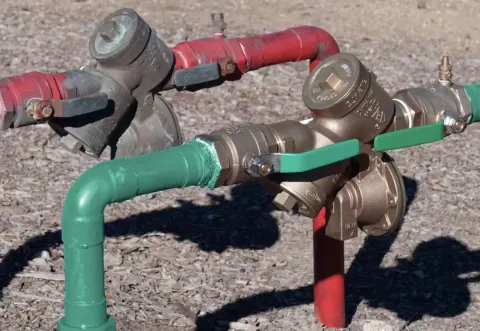
Ensuring Home Plumbing Safety: The Critical Role of Backflow Prevention Devices
Have you ever considered the invisible risks lurking in your home's plumbing system?
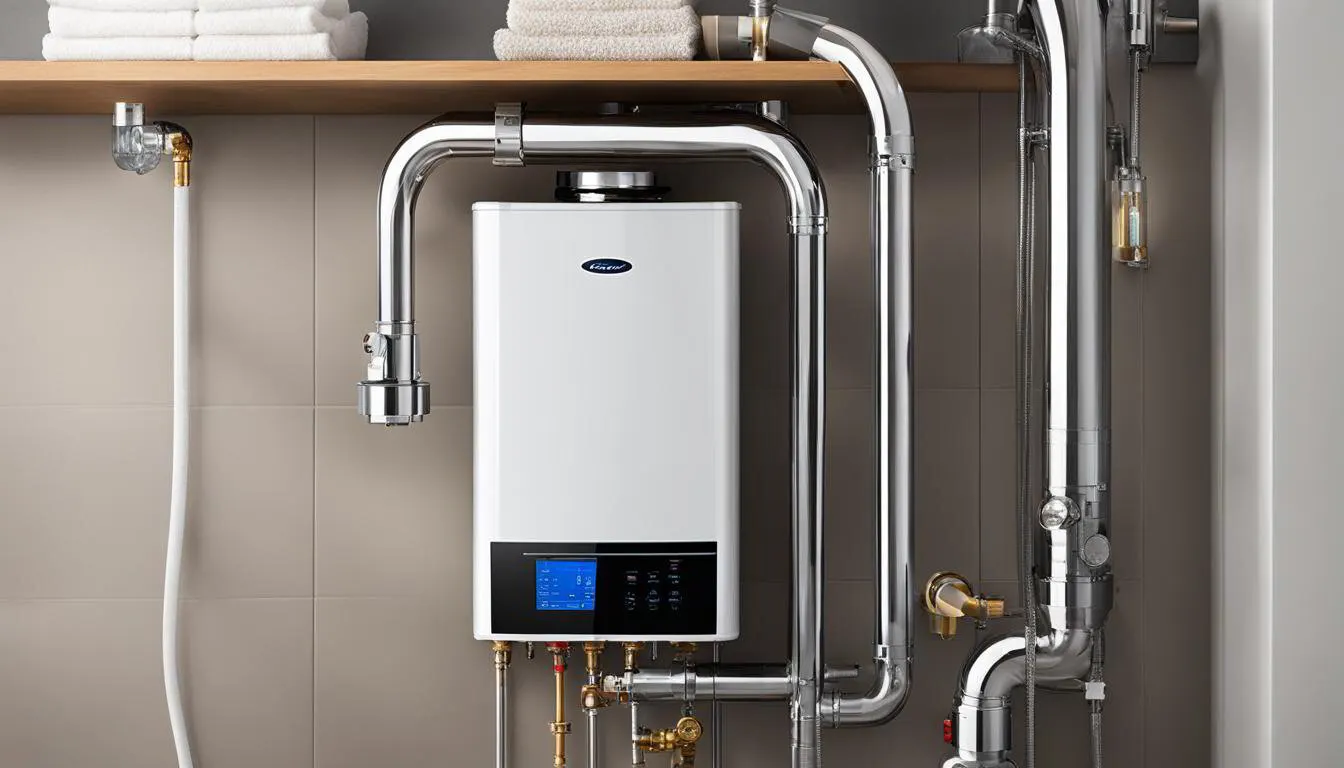
Hard water is common across Stark County, whether it comes from a municipal system or a private well. K & K Plumbing installs and replaces whole-house water softeners that are sized to your water and your household, tied into your plumbing cleanly and set up so they regenerate only when they need to. Every job starts with a free estimate and a look at what is actually in your water.
A softener is more than a tank set on the basement floor. A proper installation puts the unit where the main line enters the house, after the pressure tank on a well system and before the water heater, so treated water reaches the fixtures and appliances that suffer most from scale. Outdoor hose bibs are usually left on hard water, because there is no reason to spend salt on the lawn.
Our standard installation covers the plumbing and setup work from start to finish:
Hardness is dissolved calcium and magnesium. It is harmless to drink, but it leaves mineral behind everywhere water is heated or evaporates. Most people notice the symptoms long before they test anything.
If several of these sound familiar, a softener is worth a conversation:
Orange or brown staining usually points to iron, and a rotten-egg smell points to hydrogen sulfide. Both are common in rural wells. A standard softener can handle a modest amount of iron, but heavier levels need a dedicated filter ahead of it. Testing first keeps you from buying the wrong equipment.
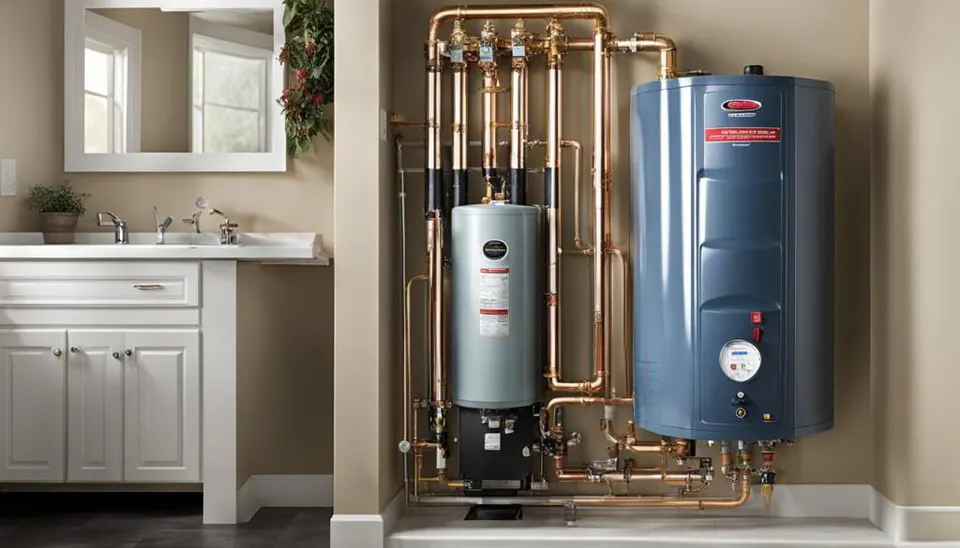
For most homes, a single-tank softener with a metered control valve is the right fit. A metered valve tracks how much water you actually use and regenerates only after a set number of gallons, which saves salt and water compared with older timer-based units that regenerate on a fixed schedule whether you need it or not.
Commercial properties are a different calculation. Restaurants, salons, offices, apartment buildings and small manufacturing spaces can use far more water, often in short peaks, and they cannot afford to run hard water while a unit regenerates. Those sites often benefit from twin-tank systems that alternate, so one tank is always in service. We also look at which equipment really needs soft water, such as water heaters, dishwashers and ice machines, so the system is sized for the load that matters.
Landlords and property managers have their own priorities: low maintenance, easy salt access and equipment that tenants are unlikely to misuse. We can set up systems with simple controls and clear labeling so anyone can check the salt level.
We follow the same three steps on every project. First, you connect with us for a free estimate. We test the water, look at the main line, the space available and the nearest drain, and ask about your household or business water use. Second, you approve the project specifications, including the unit size, location and any added filtration. Third, we complete the installation and finish with a quality inspection before we leave.
Most residential softener installations are finished in a single visit. Jobs take longer when the main line is old galvanized steel that needs to be replaced near the tie-in, when the softener has to be moved to a new location, or when a filter has to be added for iron or sediment. We will tell you about any of that during the estimate, not halfway through the work.
Our plumbers are licensed, insured and bonded, and they treat your home like invited guests would. That means drop cloths where needed, no mess left behind and a clean basement or utility room when the job is done.
Sizing is the most important decision. A softener is described by how many grains of hardness it can remove between regenerations. We calculate that from your measured hardness, the number of people in the home and typical daily use. An undersized unit regenerates constantly and wears out sooner. An oversized unit can let resin sit idle and channel, which reduces performance.
Common options we discuss include:
We connect to copper, PEX, CPVC or older galvanized lines using fittings suited to each material. If the main line near the softener is corroded or undersized, we will recommend replacing that section. For homes with widespread galvanized piping, softening alone will not fix low pressure; our repiping service addresses that problem directly.
Before we arrive, clear a path to the main water line and the area where the softener will sit. It needs a level spot, access to an electrical outlet for the control valve and a drain within reach. In finished basements, we may need to open a ceiling panel or access the line behind a wall, and we will explain that ahead of time.
Ongoing care is simple but not optional. Check the brine tank monthly and keep salt above the water line. Break up any salt bridge, which is a hard crust that forms over an empty space and stops the unit from making brine. Every year or so, look for sludge at the bottom of the brine tank. On well systems with iron, use a resin cleaner as recommended. A well-kept softener protects your water heater and other appliances for years.
Homeowners on our Residential Plumbing Maintenance Agreement get an annual inspection, priority service and 10% off labor and materials, which makes it easy to have the softener looked at alongside the rest of the plumbing. You can read the details on our maintenance plan page.
Local pages for the communities we serve most often.
Integrity is the cornerstone of K & K Plumbing. We keep our promises, and these are the commitments we make on every job:

To stay on top of your project from start to finish, ensuring complete satisfaction.

To set and meet all deadlines for the duration of the entire project.

To protect and prepare your home before and during all work.

To protect and prepare your home after every plumbing project.

To accurately price your job so your project is free from hidden costs.
 Estimate
Reach out and we respond promptly. We listen to what you need, assess your plumbing, and walk you through your options so the estimate is accurate and fair.
 Specifications
Every job is planned around your home’s layout and condition, your goals and your budget. Nothing starts until you’ve approved the plan.
 Work + inspection
Our plumbers work efficiently and carefully, then inspect the finished job so you get a reliable, durable result.
Size depends on your measured hardness, any iron present, and how much water the household uses each day. We test the water and do that calculation during the free estimate, rather than guessing from the size of the house.
Yes. On a well, the softener goes after the pressure tank. Wells often carry iron or sulfur as well as hardness, so we test for those and may recommend a filter ahead of the softener. If the well equipment itself needs attention, our well service team can look at it on the same visit.
During regeneration, the unit flushes brine and rinse water through a drain line. We route it to a floor drain, laundry standpipe or other suitable location with an air gap so wastewater cannot siphon back into the system.
A unit that only needs a new control valve setting, injector cleaning or brine float repair can often be kept. If the resin is exhausted, the tank is leaking, or the valve is obsolete and parts are hard to find, replacement usually makes more sense. We will show you what we find.
Usually it goes to everything except outdoor spigots, and sometimes a separate cold line for the kitchen if you prefer unsoftened drinking water. We plan the layout with you before cutting into any pipe.
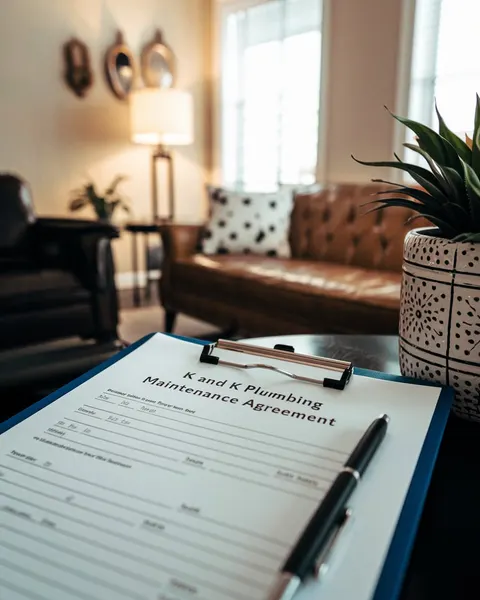
An affordable way to keep your plumbing in top shape, cut down on surprise repairs and extend the life of your equipment.
Have you ever considered the invisible risks lurking in your home's plumbing system?
Tell us what's going on and we'll get back to you to schedule a time. Free estimates and consultations.
Need help right now? Call 330-875-8003

We prioritize your satisfaction by delivering quality plumbing solutions tailored to your needs, carried out with precision, professionalism and dedication to excellence.
Start Your Free Quote Call 330-875-8003