Your home's sewer line represents one of the most critical yet overlooked components of your plumbing system. This underground pipeline carries wastewater away from your property, and when it fails, the consequences can be both expensive and disruptive. Understanding how to detect sewer line issues early can save homeowners and property managers thousands of dollars in emergency repairs while preventing serious health hazards.
Sewer line problems don't announce themselves with obvious warning signs initially. Instead, they develop gradually through a combination of factors including age, root intrusion, ground shifting, and improper maintenance. The average sewer line lasts between 50-100 years, but various environmental factors can significantly reduce this lifespan. Tree roots seeking moisture can infiltrate even the smallest cracks, while temperature fluctuations cause pipes to expand and contract, creating stress points.
Early detection is absolutely vital because sewer line repairs become exponentially more expensive once problems reach critical stages. A minor crack that could be addressed with targeted repairs might cost a few hundred dollars, while a complete line replacement can run into thousands. Additionally, sewage backups pose serious health risks and can cause extensive property damage. By learning to recognize early warning signs and implementing proper plumbing maintenance tips, property owners can protect their investment and ensure their plumbing system operates efficiently for years to come.
Signs Your Sewer Line May Be Failing
Recognizing the early signs of plumbing problems in your sewer line requires attention to both obvious and subtle indicators throughout your property. These warning signals often appear in combination, creating a pattern that points to underlying sewer line deterioration.
Unusual odors around your property represent one of the most noticeable signs of sewer line issues. When pipes crack or joints separate, sewage gases escape into the surrounding soil and eventually reach the surface. You might detect persistent sewage smells near your foundation, in your basement, or around specific areas of your yard. These odors typically intensify during warm weather or after heavy rainfall when ground conditions change.
Slow drains in multiple fixtures indicate problems beyond simple localized clogs. When several sinks, tubs, or toilets drain slowly simultaneously, the issue likely stems from your main sewer line rather than individual drain problems. This is particularly concerning when upper-level fixtures drain slowly, as gravity should naturally assist drainage in these areas.
Frequent backups and clogs signal increasing restrictions in your sewer line. While occasional clogs are normal, recurring issues suggest accumulating debris, root intrusion, or pipe damage that prevents proper flow. These backups often start in lower-level fixtures like basement floor drains before affecting upper floors.
Lush patches of grass in your yard might seem like a positive development, but they often indicate sewage leaking into your soil. The excess nutrients from sewage create unusually green, fast-growing grass in specific areas above your sewer line. Conversely, you might notice dead vegetation if the sewage concentration becomes too high.
Foundation cracks or settling can both cause and result from sewer line problems. Leaking sewage saturates soil around your foundation, causing it to shift and potentially crack. Similarly, ground movement from other sources can damage underground sewer pipes, creating a cycle of deterioration that affects both your foundation and plumbing system.
DIY Methods for Detecting Sewer Line Problems
Homeowners can employ several practical methods to assess their sewer line condition before calling for professional plumbing services. These techniques help identify potential issues early while avoiding unnecessary service calls for minor problems.
Performing the 'toilet test' provides valuable insights into your sewer line's condition. Flush all toilets in your home simultaneously while running water in sinks and tubs. If toilets gurgle, water levels fluctuate, or backups occur, these reactions indicate restricted flow in your main sewer line. Additionally, remove toilet tank lids and observe water levels after flushing – unusually low water levels often signal sewer line problems affecting proper toilet function.
Monitoring drain behavior during heavy rain reveals important information about your sewer system's capacity and condition. Many municipal sewer systems become overwhelmed during storms, but if your drains consistently back up or gurgle during rainfall, your lateral sewer line may have cracks allowing groundwater infiltration. Document these patterns by noting which fixtures are affected and the timing relative to rainfall intensity.
Identifying unusual noises in plumbing helps pinpoint developing problems before they become severe. Listen for gurgling sounds from floor drains, especially in basements, as these often indicate air displacement caused by sewer line restrictions. Bubbling sounds from toilet bowls when other fixtures drain suggest improper venting or sewer line blockages affecting the entire system.
Conducting visual inspections around your property can reveal external signs of sewer line problems. Walk your property's perimeter looking for soggy areas, unusual odors, or changes in vegetation patterns. Check basement walls for new cracks or moisture stains that might indicate nearby sewer line leaks. Examine the area around your home's sewer cleanout – typically a capped pipe near your foundation – for signs of recent sewage backup or unusual moisture.
These DIY assessment methods provide valuable preliminary information, but they cannot replace comprehensive professional evaluation when serious problems are suspected.
Professional Sewer Line Inspection Techniques
When DIY methods suggest potential sewer line problems, professional sewer line inspection provides definitive answers through advanced diagnostic techniques unavailable to homeowners. Understanding these professional methods helps property owners make informed decisions about their plumbing maintenance and repair needs.
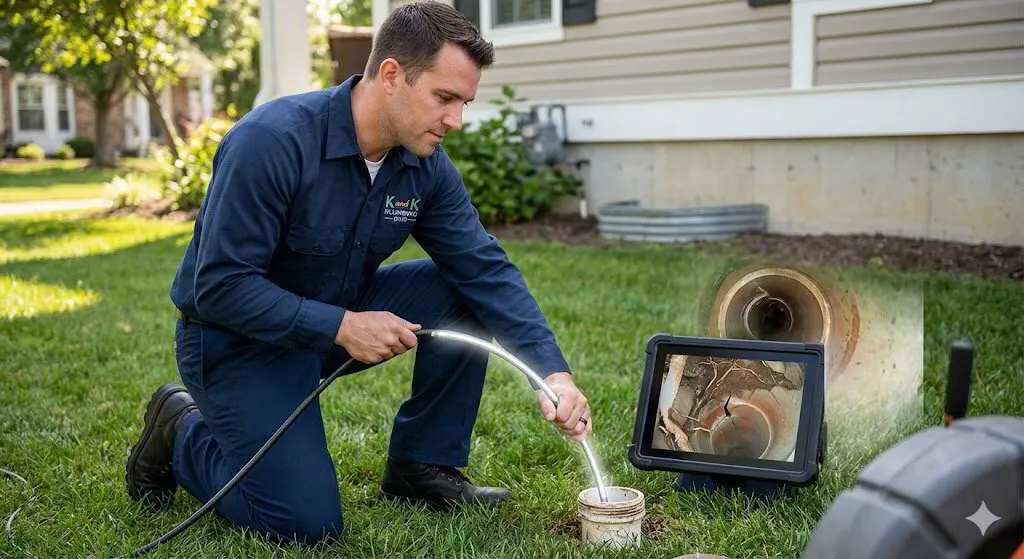
Video camera inspections represent the gold standard for sewer line diagnosis. Professional plumbers insert specialized waterproof cameras through existing access points, providing real-time visual assessment of your entire sewer line interior. These high-resolution cameras reveal cracks, root intrusion, corrosion, offset joints, and accumulated debris with precise location information. The inspection process typically takes 1-2 hours and provides recorded footage for future reference.
Hydrostatic testing determines whether your sewer line can hold water pressure, indicating overall system integrity. Technicians seal the sewer line and fill it with water, monitoring pressure levels over time. Pressure drops indicate leaks requiring further investigation. This method proves particularly valuable for older homes where pipe condition may be questionable.
Smoke testing identifies hidden cracks and improper connections throughout your sewer system. Professionals introduce non-toxic smoke into the sewer line and observe where it escapes, revealing problems that might not be visible through camera inspection alone. This technique often uncovers issues with vent systems and illegal connections that contribute to sewer line problems.
Electronic locating equipment pinpoints exact problem locations without excavation. Using radio frequency signals and electromagnetic detection, technicians map your sewer line's precise path and identify specific areas requiring attention. This technology significantly reduces repair costs by eliminating guesswork and unnecessary digging.
Professional inspections provide detailed reports including video documentation, problem locations, severity assessments, and repair recommendations. This comprehensive information enables property owners to prioritize repairs, budget appropriately, and make informed decisions about maintenance versus replacement options. The investment in professional inspection typically pays for itself by preventing emergency plumbing situations and enabling targeted repairs rather than extensive excavation projects.
Maintaining Your Sewer Line to Prevent Issues
Proactive sewer line maintenance significantly extends system lifespan while preventing costly emergency repairs. Implementing consistent maintenance practices protects your investment and ensures reliable wastewater removal for your property.
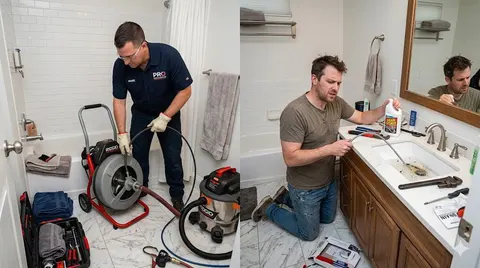
Regular cleaning and maintenance should occur annually for most properties, with increased frequency for older systems or those experiencing recurring issues. Professional drain cleaning removes accumulated grease, soap residue, and debris before they create serious blockages. High-pressure water jetting effectively clears root intrusion and mineral buildup that standard drain cleaning cannot address.
Preventive measures start with mindful daily habits that protect your sewer line from damage. Avoid flushing non-biodegradable items including feminine hygiene products, diapers, cat litter, and excessive toilet paper. Kitchen waste disposal requires particular attention – never pour grease or oil down drains, and use garbage disposals sparingly to prevent overwhelming your sewer system with organic matter.
Tree and landscaping management prevents root intrusion, one of the most common causes of sewer line failure. Plant trees and large shrubs away from sewer lines, typically maintaining at least 10 feet of clearance. If existing trees pose threats to your sewer line, consider root barriers or regular root cutting to prevent damage. Avoid planting water-seeking species like willows, poplars, and certain maples near sewer lines.
Choosing reliable plumbing maintenance services ensures consistent, professional care for your sewer system. Look for licensed plumbers with specific experience in sewer line maintenance and modern diagnostic equipment. Establish relationships with reputable companies before emergencies arise, enabling faster response times and better service when problems develop. Regular maintenance contracts often provide cost savings and priority scheduling for established customers.
Document all maintenance activities including dates, services performed, and any issues identified. This maintenance history proves valuable for warranty claims, insurance purposes, and future diagnostic efforts.
When to Call a Professional for Help
Recognizing when DIY efforts are insufficient prevents minor sewer line issues from becoming major disasters requiring emergency plumbing services. Certain situations demand immediate professional intervention to protect your property and health.
Sewage backups require immediate professional attention regardless of severity. Raw sewage poses serious health risks and can cause extensive property damage within hours. Professional plumbers have specialized equipment and protective gear necessary for safe cleanup and repair. Additionally, insurance coverage often depends on prompt professional response to sewage emergencies.
Multiple fixture problems occurring simultaneously indicate main sewer line issues beyond typical homeowner repair capabilities. When toilets, sinks, and floor drains all experience problems concurrently, the issue likely requires professional diagnosis and specialized repair techniques.
Persistent odors that continue despite basic maintenance efforts suggest serious sewer line damage requiring professional assessment. These odors often indicate cracks or breaks that allow sewage gases to escape, potentially creating dangerous conditions.
Professional sewer line repairs typically range from $150-$500 for minor issues like simple blockages, while major repairs or line replacement can cost $3,000-$15,000 depending on access difficulty and pipe length. However, addressing problems promptly usually results in lower repair costs compared to emergency situations requiring immediate attention.
Conclusion
Understanding how to detect sewer line issues empowers homeowners and property managers to protect their investments through early intervention and proper maintenance. By recognizing warning signs, implementing preventive measures, and knowing when professional help is necessary, you can avoid costly emergency repairs and ensure your plumbing system operates reliably for years to come.
Ready to protect your property with professional sewer line inspection and maintenance? Contact K and K Plumbing Ohio today at 330-875-8003 for comprehensive sewer line services. Our experienced team provides thorough inspections, preventive maintenance, and reliable repairs throughout Ohio. Visit https://kandkplumbing.com/ to schedule your consultation and ensure your sewer system operates efficiently year-round.
Have a question about this topic? Contact K & K Plumbing or call 330-875-8003 for a free estimate.