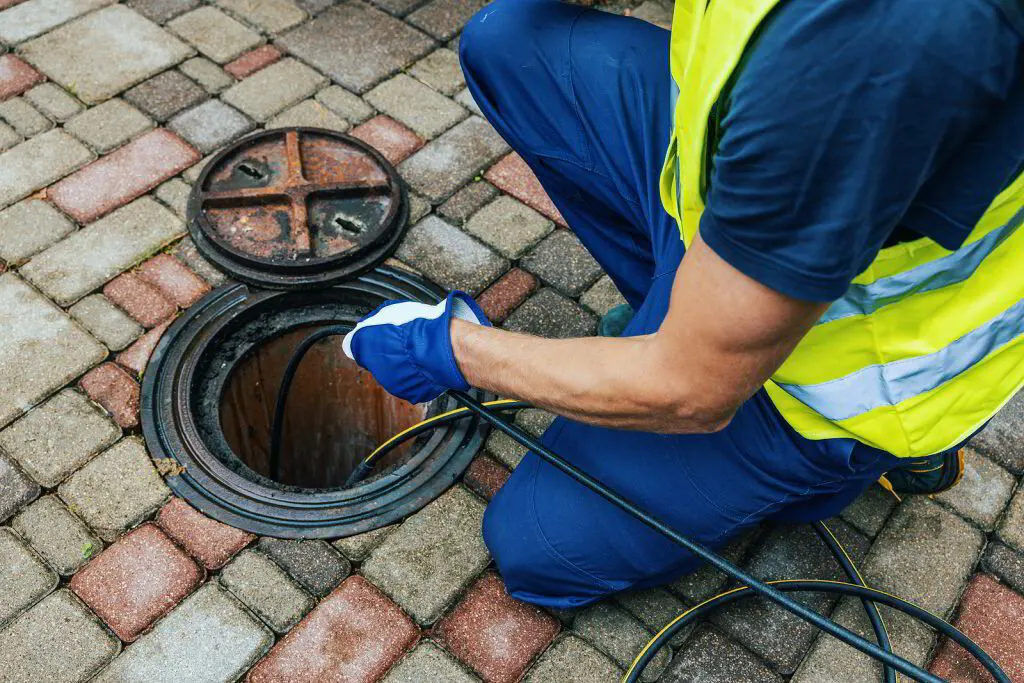
Sewer Line Maintenance: Essential
Guide for Every Homeowner
Are you aware of the critical role your home's sewer system plays in maintaining a healthy, comfortable living environment? This guide delves into the essentials of sewer line upkeep, focusing on common issues such as blockages that defy building code standards and the importance of using durable materials like polyethylene in piping and plumbing fittings. You'll learn preventive strategies to keep your system running smoothly and recognize the signs that indicate a need for professional sewer repair. By following these insights, you can prevent the costly and unpleasant consequences of sewer malfunctions, ensuring your home remains a safe haven away from the worries of wetland-like backyards.
Understanding Your Home's
Sewer System
As you manage your property, understanding the sewer line that connects to your plumbing is crucial. This system, a complex network of drainage pipes, plays a pivotal role in transporting waste from your home to the water main. Gravity ensures the smooth flow of contents, while the durability of the materials used in sewer line construction, such as PVC or cast iron, determines the longevity of your system. Typically, sewer pipes have a lifespan that can extend for decades, but a broken sewer line can lead to significant issues, including the risk of legionella. In the following sections, you'll gain insights into the components of a residential sewer system, how a flush toilet initiates the process, and the importance of regular maintenance to prevent costly repairs.
How the Sewer Line Connects to Your Plumbing
Your home's plumbing is intricately connected to a larger sewer system, which begins with the pipes that run from your household fixtures. These pipes converge into a larger main line that exits your home, often referred to as the lateral pipe. This crucial connection ensures that all waste water from your sinks, toilets, and water heating appliances is efficiently directed towards the municipal sewer main or your septic system, depending on your locality.
At some point along its journey, your sewer line may pass through a pumping station, especially if your home's elevation is lower than the main sewer line's. The pumping station's role is to provide the necessary force to move the waste uphill, preventing any backflow or crimp in the system that could cause blockages or backups in your home. It's vital to ensure these stations are functioning correctly to maintain the integrity of your sewer connection.
Regular inspections and maintenance of the sewer line, from the pipes within your home to the connection with the sewer main, are essential. Over time, wear and tear or other factors can lead to issues that, if left unchecked, could result in costly repairs. By staying vigilant and addressing problems early, you safeguard your home against the inconvenience and potential health risks associated with sewer system failures.
Components of a Residential Sewer System
At the heart of your home's sewerage system lies a series of pipes, each designed to ensure efficient waste removal from your property to the water supply network. These pipes, often made from durable materials like PVC or brass, are engineered to withstand the corrosive nature of waste and prevent leaks that could compromise your home's foundation and the surrounding environment. As a homeowner, familiarizing yourself with these components is a form of home improvement that can save you from unexpected plumbing disasters.
When you call on a professional plumber, they'll inspect the main sewer line, which is the primary conduit for all household waste. This line connects your home's smaller pipes to the municipal sewer system or your personal septic tank. It's crucial to maintain the integrity of this connection, as any damage here can lead to significant disruptions in your daily routine and may even pose health risks if waste begins to back up into your home.
Another key component is the vent stack, often overlooked but vital for the proper functioning of your sewerage system. This vertical pipe extends through your roof, allowing gases to escape and ensuring that pressure within the sewer line remains balanced. A blocked or malfunctioning vent stack can lead to slow drainage and even sewer gas odors permeating your home, highlighting the importance of regular checks as part of your home improvement efforts.
The Role of Gravity in Sewer Functionality
Gravity plays an indispensable role in the functionality of your home's sewer system, guiding waste through the pipeline to its final destination. This natural force allows for the smooth transit of waste materials, ensuring hygiene standards are maintained without the need for mechanical pumps in most cases. As you consider the health of your sewer system, remember that a well-designed gradient is key to preventing blockages and the need for emergency service interventions.
Should your property's elevation necessitate assistance in waste removal, lift stations come into play, but gravity remains the primary mover in your sewer system. It's essential to keep the pipeline clear, as obstructions can disrupt the flow, leading to backups that compromise nutrient removal and sanitation in your home. Regular maintenance checks can help you detect potential issues before they escalate, saving you from the inconvenience of an untimely room flood or worse.
Understanding the reliance on gravity within your sewer system also informs best practices for what you flush away. Avoiding items that could obstruct the smooth passage of waste helps maintain the system's integrity. By being mindful of what enters your drains, you contribute to the longevity of the sewer lines and safeguard the comfort of your living space, ensuring that every flush maintains your home's hygiene and convenience.
Materials Used in Sewer Line Construction
When considering the materials used in sewer line construction, you'll encounter acrylonitrile butadiene styrene (ABS) and ductile iron pipe as common choices. ABS, a sturdy plastic, is favored for its resilience to cold temperatures and its ease of installation, making it a practical option for your home's waste removal needs. Ductile iron pipe, on the other hand, offers superior strength and durability, ensuring your sewer system withstands the test of time and the pressures of underground environments.
Your sewer system's efficiency is also influenced by the inclusion of a pump and pressure regulator, especially in areas where gravity alone cannot ensure the proper flow of waste. The pump actively moves sewage from lower to higher elevations, while the pressure regulator maintains consistent flow, preventing pipe damage due to excess pressure. These components are integral to maintaining a seamless operation, safeguarding your home from potential backups and leaks.
For homes utilizing a septic system, the tank is a critical component, acting as the initial repository for household waste. Constructed from materials like concrete, fiberglass, or plastic, the tank separates solids from liquids, allowing for natural breakdown before the effluent moves to the drain field. Proper selection and maintenance of the tank material are essential to prevent leaks and ensure the long-term functionality of your septic system.
Lifespan Expectations of Sewer Pipes
When you're considering the longevity of your home's sewer pipes, it's essential to recognize that their lifespan can vary widely, typically ranging from 25 to 100 years. Factors such as the materials used, adherence to plumbing code during installation, and the environment surrounding the pipes play a significant role. Contractors often recommend PVC or cast iron for their durability and compliance with modern standards, ensuring a robust connection to your water supply.
Regular maintenance is key to extending the life of your sewer lines. Be cautious about what you flush down your toilets; items like cooking oil and even certain types of toilet paper can clog your system, leading to premature wear and tear. By consulting with professionals and following their guidance, you can prevent unnecessary strain on your pipes, aligning with best practices for a healthy plumbing system.
Understanding the expected lifespan of your sewer pipes also involves recognizing signs of aging or damage. If you notice changes in drainage patterns or unexpected moisture in your yard, it's time to call in contractors for an assessment. They can provide insights into the condition of your pipes and whether they meet current plumbing code, helping you make informed decisions about repairs or replacements to secure your home's water supply.
Common Sewer Line Issues
Homeowners Face
As a homeowner, you may encounter a range of sewer line issues that can disrupt your daily life and cause significant damage if not addressed promptly. Tree root intrusion can compromise the integrity of your pipes, while blockages from grease and debris necessitate professional drain cleaning. Corrosion and deterioration over time may lead to leaks, detectable through leak detection services. Be aware of the signs indicating a potential sewer line collapse, and understand how ground shifting can impact the stability of your system. Each gallon of water flowing through your sink should pass unhindered; any deviation could signal trouble. This section will guide you through these common challenges and their solutions.
Tree Root Intrusion and Its Impact
Tree root intrusion is a common hazard to your home's sewer lines, often leading to costly repairs if not addressed promptly. As roots search for moisture, they can infiltrate even the smallest cracks in your sewer pipes, causing blockages that disrupt the flow of waste and potentially result in backflow into your home. This can affect the quality of your tap water and the functionality of every plumbing fixture in your residence.
When roots entangle around your sewer line, they can exert significant pressure, sometimes leading to a collapsed culvert that requires immediate attention. You might notice signs such as slow draining sinks or gurgling noises from your toilets, indicating that roots may be impeding the sewer line. It's essential to act swiftly to mitigate the damage and restore the integrity of your plumbing system.
To prevent the impact of tree root intrusion, consider the placement of trees in relation to your sewer lines and opt for species with less aggressive root systems. If you suspect roots have already compromised your pipes, a professional plumber can use specialized equipment to remove the roots and repair any damage, safeguarding your home from further issues and ensuring your tap water remains uncontaminated.
Blockages Caused by Grease and Debris
When you pour grease down the drain, it may seem harmless, but as it cools, it solidifies, creating blockages that disrupt the flow of waste through your sewer lines. These obstructions can be severe enough to affect water metering, as the flow of waste water becomes irregular, potentially leading to inaccurate readings. To prevent such issues, it's wise to dispose of grease and oil in the trash rather than risking the functionality of your plumbing system.
Debris such as food scraps, hair, and other materials can accumulate in your pipes, forming a siphon effect that impedes the proper movement of water and waste. This can lead to increased water vapor in your system, which may cause condensation and potential damage to surrounding structures. Regularly cleaning your drains and being mindful of what goes down them can help you maintain a clear and efficient sewer line.
Remember, the key to avoiding costly repairs is vigilance; if you notice slow drainage or hear unusual sounds, it's time to investigate. A professional plumber can assess your sewer line using specialized equipment, ensuring that any blockages caused by grease or debris are promptly cleared, restoring the integrity of your waste water system and preventing further complications.
Pipe Corrosion and Deterioration
Over time, the pipes in your sewer system may succumb to corrosion and deterioration, a natural process that can significantly impact water quality in your household. Factors such as the pH level of the soil, the presence of chemicals in wastewater, and the pipe material itself contribute to this degradation. Sewer line maintenance is critical to mitigate these effects, ensuring the longevity of your pipes and the safety of your home's water supply.
As a homeowner, you should be aware that corroded pipes can lead to leaks, which not only waste water but also threaten the foundation of your property. This is where water conservation efforts and sewer system health intersect. By conducting regular inspections and addressing any signs of wear, you can prevent minor issues from escalating into major disruptions that could compromise your home's structural integrity and water conservation
goals.
Remember, the integrity of your sewer line is integral to the overall function of your sewer
system. If you notice changes in water pressure or discolored water, it's a signal that the pipes may be deteriorating. Promptly engaging in sewer line maintenance can restore proper function and preserve the quality of your water, ensuring your household remains safe and your sewer system operates efficiently.
Signs of Sewer Line Collapse
If you notice your shower draining slowly or not at all, it could be a sign of a more serious issue than a simple clog. A sewer line collapse within your combined sewer system can cause significant disruptions, not only to your shower but to all plumbing fixtures in your home. This symptom, often overlooked, warrants immediate attention to prevent further damage to your property's plumbing infrastructure.
During heavy rainfall, if water backs up from storm drains into your home, it may indicate a breach in the sewer line integrity. This situation can be particularly critical if you have a fire sprinkler system, as a collapsed sewer line could compromise its functionality. Prompt action is necessary to ensure that your home's filtration and drainage systems continue to protect you as designed.
Unusual indentations in your yard or under pavements can also signal a sewer line failure.
These depressions often occur above the path of your sewer line, where soil may be eroding
due to a leak or collapse. Recognizing these signs early and seeking professional assessment can save you from extensive repairs and maintain the safety and sanitation of your home environment.
Effects of Ground Shifting on Sewer Lines
Ground shifting, a natural occurrence that can be exacerbated by factors like extreme weather or nearby construction, poses a significant threat to the integrity of your sewer lines. If you notice cracks in your home's walls or foundation, it may be time to schedule a home inspection to assess the condition of your sewer system. A professional can determine if a sump pump is necessary to manage excess liquid and protect your property from further damage.
When the earth moves, it can cause your sewer pipes to bend or break, leading to leaks and blockages that disrupt the flow of waste. If you're experiencing frequent backups or a noticeable decrease in drainage efficiency, consider checking your warranty and contacting a specialist.
They can provide solutions that may include reinforcing the sewer line or updating your home's plumbing to adapt to the shifting ground.
Proactive measures, such as regular maintenance checks, can help you detect early signs of damage caused by ground movement. By staying vigilant and addressing these issues promptly, you can avoid the costly and inconvenient consequences of a compromised sewer line. Remember, the stability of your sewer system is crucial for maintaining the sanitation and
comfort of your home.
Preventive Maintenance Strategies
for Sewer Lines
Protecting your home from sewage issues and sewer gas starts with proactive sewer line maintenance. Scheduling regular sewer inspections is key to identifying potential problems early. You should also adopt proper waste disposal practices to prevent blockages, and consider using enzyme treatments to naturally break down debris. Installing root barriers can shield your pipes from invasive roots, while updating old pipes with modern materials can enhance the longevity and energy efficiency of your system, including the hot water storage tank. These strategies not only safeguard your home's plumbing but also contribute to a more energy-efficient household.
Scheduling Regular Sewer Inspections
Ensuring the health of your septic system and residential plumbing begins with scheduling regular sewer inspections. These evaluations, conducted by professionals, can identify issues at the inlet or throughout the system before they escalate into costly repairs. By proactively maintaining your sewer lines, you protect your home from unexpected disruptions and maintain optimal functionality.
During an inspection, experts may access your system from various points, including the attic, to assess the condition of vent stacks and hydronics, which are crucial for proper waste and water circulation. Their findings can offer you peace of mind or a detailed plan for addressing any concerns, ensuring your home's plumbing operates efficiently and reliably.
Regular sewer inspections not only safeguard your septic system but also contribute to the longevity of your home's entire plumbing network. By staying informed about the state of your sewer lines, you can make informed decisions that prevent emergencies, preserve your residential plumbing, and ensure a clean and safe living environment.
Implementing Proper Waste Disposal Practices
To mitigate corrosion in your home's plumbing, you must be diligent about what goes down your drains. For instance, corrosive chemicals can deteriorate the interior lining of your water tank, leading to premature failure. It's wise to dispose of such substances at designated hazardous waste facilities rather than risk the integrity of your storage tank and the broader sewer system.
When it comes to maintaining your sewer lines, remember that not everything is flushable, despite what product labels might claim. Items like wipes and sanitary products can clog your pipes, putting undue stress on the welding and joints. By being selective about what you flush, you protect your plumbing from unnecessary blockages and extend the life of your system.
Regularly maintaining your water tank can prevent sediment build-up, which, if left unchecked, can cause blockages that lead to system failure. You should drain and clean your tank periodically to remove any debris, ensuring a clear path for water to flow into your sewer lines.
This simple practice can save you from costly repairs and maintain the efficiency of your home's plumbing.
Using Enzyme Treatments to Break Down Debris
Integrating enzyme treatments into your sewage treatment routine can significantly reduce the likelihood of clogs forming in your sewer lines. These biological solutions work by breaking down organic matter such as fats, oils, and grease that commonly cause blockages. By using these treatments regularly, you maintain optimal sanitation and flow within your sewer system, especially in older cast iron pipes that may be more susceptible to buildup.
Enzyme-based products offer a safe and environmentally friendly approach to maintaining your sewer lines. Unlike harsh chemical cleaners that can corrode cast iron pipes over time, enzymes gently digest debris without damaging the plumbing infrastructure. This method not only preserves the integrity of your sewer system but also supports a healthier home environment by avoiding the use of toxic substances.
For best results, you should apply enzyme treatments consistently as part of your home's sewer maintenance plan. These treatments are easy to use; simply flush them down the toilet to reach the sewer line, where they will actively break down potential clogs. This proactive step can save you from the inconvenience of blockages and ensure the longevity of your sewer system, keeping your home's sanitation in top condition.
Installing Root Barriers to Protect Pipes
Installing root barriers is a proactive measure you can take to protect your sewer lines from the invasive growth of tree roots, which are a common cause of sewer line clogs. These barriers, typically made of polyvinyl chloride or other durable materials, act as a shield between roots and pipes, preventing roots from reaching and damaging your sewer system. By investing in this preventive solution, you're taking a significant step towards maintaining the percolation and flow within your sewer lines.
When you install a root barrier, you're not only preventing potential mold growth due to pipe leaks but also ensuring the longevity of your plumbing infrastructure. The barrier works by redirecting root growth away from your sewer lines, which is essential for homes with expansive gardens or mature trees. This method is particularly effective when combined with an expansion tank, which helps manage pressure changes and further safeguards your pipes from damage.
Consider the placement of root barriers as part of your landscaping plan to avoid future complications with sewer line clogs. A professional plumber can advise you on the strategic placement of these barriers to optimize protection and minimize interference with the natural growth patterns of your garden's foliage. This guidance is invaluable in preserving the integrity of your sewer system and avoiding the costly repairs that come with root intrusion.
Updating Old Pipes With Modern Materials
Upgrading your home's aging pipes to modern plastic materials can significantly enhance the efficiency of your bathtub and other fixtures. These contemporary alternatives are not only resistant to corrosion but also contribute to the conservation of water resources by minimizing leaks. By investing in these upgrades, you're ensuring a more reliable and sustainable water system for your home.
When you replace old pipes with advanced plastic options, you're also supporting more efficient irrigation practices. This is particularly beneficial if you use reclaimed water for landscaping purposes. The use of plastic pipes in drip irrigation systems helps to reduce water waste, ensuring that every drop is effectively utilized to nourish your garden.
Consider the long-term benefits of modernizing your sewer lines with plastic materials; they are less prone to breakage and can withstand various environmental stresses. This resilience translates to fewer disruptions in your daily water use and a lower likelihood of emergency repairs, providing you with peace of mind and the assurance of a well-maintained plumbing system.
Signs of Sewer Line Problems
You Shouldn't Ignore
As you maintain your home, be vigilant for signs of sewer line distress that could escalate into a full-blown crisis. Slow drains throughout your residence, foul odors emanating from drains, peculiar noises from plumbing fixtures, damp patches or depressions in your yard, and a sudden uptick in pest activity can all signal underlying issues. These symptoms may indicate blockages from organic matter, compromised sump integrity, or even steel pipe corrosion.
Addressing these early can prevent a flood of problems, sparing you the inconvenience of reaching for the towel in a plumbing emergency.
Slow Drains Throughout the Home
If you're noticing that water is draining more slowly than usual throughout your home, this could be a red flag indicating a blockage in your plumbing system. Such a slowdown often results from debris accumulation in the pipes, which can escalate to a complete stoppage if not addressed. Seeking professional plumbing services promptly can help you avoid more severe complications that could disrupt your home's water treatment processes.
When stormwater fails to clear from your property efficiently, it's a sign that your sewer system may be compromised. This issue can lead to water pooling and potential damage to your home's foundation. To prevent such outcomes, it's essential to have your plumbing system evaluated by experts who can clear out any obstructions and ensure your stormwater drainage is functioning optimally.
Slow drains are more than just an inconvenience; they can be symptomatic of deeper issues within your sewer lines. Ignoring these signs can lead to costly repairs down the line, so it's crucial to act swiftly. Contacting a trusted provider of plumbing services can offer you a thorough inspection and the necessary water treatment solutions to restore the health of your plumbing system.
Unpleasant Odors Coming From Drains
If you're detecting foul odors emanating from your drains, it's a clear sign that your sewer line may require attention. These smells could indicate a blockage or a break in the sewer line, which can compromise the air quality in your home and may even affect the efficiency of your air conditioning system. It's essential to address these odors promptly, as they can signify a deeper issue within your plumbing network.
When your dishwasher or vacuum emits a strange smell, it might not be the appliance that's at fault. Often, these odors can be traced back to a problem in the sewer line, such as a breach or a backup. If you're in the midst of an apprenticeship in home maintenance, you'll learn that investigating and resolving these odors is crucial, as they can impact the overall sanitation and comfort of a residence.
Unpleasant smells from drains may also point to a malfunctioning reduced pressure zone device, which is designed to protect your water supply from contamination. If this device is not working correctly, it can allow odors and potentially harmful bacteria to enter your home. Taking swift action to repair or replace the device can restore the safety and comfort of your living environment.
Unusual Noises in Plumbing Fixtures
If you're hearing gurgling or bubbling sounds from your plumbing fixtures, it's time to pay attention. These noises may indicate a blockage in your main sewer line, where the normal flow of oxygen and waste is disrupted, leading to a potential backup. It's essential to address these sounds quickly, as they can signal the onset of more serious plumbing issues.
When your garbage disposal unit emits louder than usual noises, it could be a sign that the volume of waste passing through is too much for the system to handle, or there's an obstruction causing the unit to work harder. This strain on your disposal can impact the main sewer line over time, so it's wise to investigate and resolve any unusual sounds promptly.
Unusual noises coming from your toilets or drains should never be ignored. They often serve as an early warning system, alerting you to potential problems in your sewer line. By recognizing these auditory cues and seeking professional assistance, you can prevent a full-scale backup and maintain the health of your home's plumbing system.
Wet Spots or Sinkholes in the Yard
If you notice unexpected wet spots or depressions in your yard, it's wise to consider the health of your sewer line. These signs often point to a leak in your plastic pipework, which can erode the soil and create sinkholes. A functioning backflow prevention device and well-maintained valves are critical to avoiding such issues, as they help maintain the integrity of your sewer system and prevent the backflow of wastewater into your home.
When wet patches appear on your ceiling or floor, it's a signal that your sewer line may be compromised. This can be due to a variety of factors, including a breach in the plastic pipework or a malfunctioning valve. Addressing these signs promptly can prevent further damage to your property and ensure that your backflow prevention device is operating effectively to protect your home's interior from sewage contamination.
Observing sinkholes around your property should prompt immediate action to inspect your sewer line. These can indicate severe damage to your underground plastic pipework, potentially leading to costly repairs if not addressed quickly. Engaging a professional to check your sewer system, including the backflow prevention device and valves, can save you from extensive damage to your home's foundation and landscaping.
Sudden Increase in Pest Activity
If you're noticing a sudden increase in pest activity around your home, it could be a sign of a compromised sewer line. Pests such as rodents and insects are attracted to the moisture and nutrients found in broken pipes, and a breach in your septic tank or copper tubing can provide them with an easy access point. It's essential to adhere to regulation standards for sewer maintenance and promptly repair any damage using quality solder and materials to prevent these unwelcome visitors.
While pests are a common nuisance, their presence near your plumbing fixtures might indicate a deeper issue with your sewer system. If you find that pests are congregating around your pipes or septic tank, it's a strong indication that there may be a leak or failure in the system.
You should take immediate action to inspect and repair any compromised areas, ensuring that your home's fire protection measures and plumbing integrity remain intact.
Addressing pest infestations quickly is not only a matter of comfort but also a crucial aspect of maintaining a healthy home environment. A breach in your sewer line, especially in areas where copper tubing is used, can lead to contamination and undermine the effectiveness of your septic tank. By seeking professional assistance to inspect and resolve any sewer line issues, you can restore the safety and sanitation of your property, keeping it free from pests
and plumbing problems.
DIY Tips for Keeping Your
Sewer Lines Clear
As a homeowner, you play a crucial role in preventing sewer line problems that can lead to costly replacements. In this section, you'll learn how to safely use plumbing snakes and augers to clear obstructions, create natural drain cleaners to maintain your bathroom and kitchen sinks, and the importance of regularly flushing pipes with hot water. You'll also understand why avoiding chemical drain cleaners is beneficial for the longevity of your home's wastewater system. Lastly, we'll discuss the importance of educating everyone in your household on proper sewer care to prevent future issues. These DIY tips are simple yet effective strategies to keep your construction intact and your sewer lines flowing smoothly.
Safe Use of Plumbing Snakes and Augers
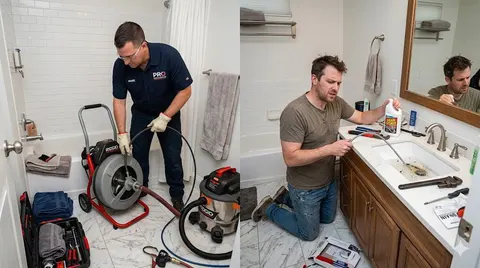
When you're faced with a clog in your sewer lines, a plumbing snake or auger can be a valuable tool for a sewer line cleanout. It's essential to use these devices with care to avoid damaging your pipes. Gently feed the snake into the drain until you encounter resistance, then rotate it to break apart the solid obstruction, allowing you to maintain the integrity of your sewer lines without the need for harsh chemicals.
As you prioritize green building practices, consider the impact of your maintenance choices on your home's plumbing. Using a plumbing snake or auger for clearing your drains is an eco-friendly solution that prevents the need for chemical cleaners. This method not only preserves your sewer lines but also aligns with sustainable living by avoiding pollutants that can harm the environment.
Remember, regular sewer line cleanout is crucial for preventing backups and maintaining smooth operation. If you're unsure about tackling a blockage yourself, don't hesitate to call a professional. They can ensure that your sewer lines are cleared safely and effectively, providing peace of mind and protecting your home's plumbing system from potential damage.
Making a Natural Drain Cleaner at Home
Creating a natural drain cleaner at home is a straightforward process that can help you maintain your sewer lines without the harsh effects of chemical products. By combining everyday household items such as baking soda and vinegar, you can generate a reaction that effectively breaks down the organic matter that may clog your pipes. This method is gentle on your plumbing, preserving the integrity of both clay and PVC pipes, and is safe for the surrounding soil and environment.
When you use a homemade drain cleaner, you're applying a solution that doesn't exert undue pressure on your sewer system. Unlike commercial cleaners that can erode the interior of your pipes, a natural mixture respects the delicate balance within your plumbing, ensuring that the removal of human waste and other debris is carried out without compromising the system's structure, including the roof vent stack.
Employing a natural drain cleaner also means you're taking a proactive step in sewer line maintenance, preventing potential blockages before they escalate. This approach not only saves you from future headaches but also contributes to the longevity of your sewer lines, ensuring that they continue to function under optimal pressure and flow conditions. It's a simple yet effective way to care for your home's plumbing and can be a part of your regular maintenance routine.
Regularly Flushing Pipes With Hot Water
Flushing your pipes with hot water regularly is a simple yet effective method of sewer maintenance that helps prevent the accumulation of sludge in your sanitary sewer system.
This routine action works to dissolve and dislodge grease and soap residue that can build up over time, reducing the risk of blockages that could lead to an emergency plumbing situation.
By incorporating hot water flushes into your sewer maintenance schedule, you're actively contributing to the health of your drainfield. The hot water aids in maintaining a clear path for wastewater, ensuring that your system functions efficiently and lessening the likelihood of unsanitary backups in your home.
Remember, while hot water can be beneficial for clearing out soft blockages, it's important to recognize when a problem requires professional intervention. If you're facing persistent issues despite regular hot water treatments, it may be time to seek the expertise of a plumber to avoid an emergency that could compromise your entire sewer system.
Avoiding Chemical Drain Cleaners
As a homeowner, you should be cautious about using chemical drain cleaners as they can cause leaks in your sewer pipes over time. These harsh substances may offer a quick fix but can corrode the pipes, leading to bigger issues in your drainage system. Opting for gentler methods preserves the integrity of your plumbing and avoids the cycle of damage and repair.
When you choose to forgo chemical cleaners, you're not only protecting your sewer pipes but also contributing to a healthier environment by reducing harmful waste. Consider the impact on recycling water systems; harsh chemicals can disrupt the delicate balance, affecting water quality and the ecosystem. Your choice to use safer alternatives reflects a responsible
approach to both home maintenance and environmental stewardship.
Remember, the goal is to maintain a functional drainage system without compromising the
longevity of your sewer pipes. By using natural cleaning methods, you're taking a proactive step that benefits both your home and the community. This approach ensures that your sewer lines remain clear without the risk of damage from aggressive cleaning agents, providing peace o mind and a sustainable solution for your plumbing needs.
Educating Household Members on Sewer Care
Ensuring that everyone in your household understands the importance of sewer line care can significantly reduce the frequency of sewer line repairs. Educate your family members about the consequences of flushing inappropriate items down the toilet, such as oil and wipes, which can cause severe blockages. By sharing this knowledge, you're equipping them with the tools to prevent plumbing mishaps and maintain a healthy sewer system.
Discuss the function of a relief valve and the damage that can occur from using chemical drain cleaners. Explain how these cleaners can corrode pipes over time, leading to leaks and costly repairs. Instead, encourage the use of natural alternatives and the proper disposal of substances like oil, which can solidify and clog pipes, to protect your home's plumbing infrastructure.
Involve your household in the landscaping decisions, particularly when planting shrubs and trees, to prevent root intrusion into sewer lines. Highlight the importance of selecting plants with non-invasive root systems and the strategic placement away from sewer lines. This proactive approach not only preserves the integrity of your sewer system but also fosters a sense of shared responsibility for the well-being of your home's plumbing.
When to Call a Professional Plumber
Recognizing when to call a professional plumber is key to maintaining a robust sewer line and ensuring compliance with the Safe Drinking Water Act. Whether you're facing a water main repair, safeguarding your fire sprinkler system, or addressing concerns related to feminine hygiene products impacting your plumbing, understanding the limitations of DIY solutions is essential. This section will guide you through the benefits of professional sewer cleaning, selecting a trustworthy plumbing service, and preparing for sewer line replacement or repair, providing you with the expertise needed to handle emergency situations effectively.
Recognizing Emergency Situations
If you're experiencing persistent water damage in your home and suspect it's due to a faulty check valve, it's time to call a professional plumber. Water damage can quickly escalate, leading to costly repairs and potential health hazards. A plumber can assess the check valve, identify the root cause of the issue, and provide a timely solution to prevent further damage to your property.
When you notice that your drains are consistently clogged despite using drain cleaners, it could be a sign that fat and other substances have built up in your pipes, causing a severe blockage. In such cases, a professional plumber's expertise is crucial. They have the tools and knowledge to safely remove the blockage without causing damage to your sewer lines, ensuring your plumbing system functions efficiently.
Should you encounter fluctuations in water pressure or hear banging noises within your pipes, it may indicate a problem with thermal expansion in your plumbing system. These symptoms require immediate attention from a plumbing expert who can install or check the thermal expansion tank and ensure that your plumbing system is safeguarded against pressure-related damage. Delaying this could lead to a plumbing emergency, so prompt professional intervention is advised.
Understanding the Limitations of DIY Solutions
While your enthusiasm for home maintenance is commendable, it's essential to recognize when a task surpasses the realm of DIY. Plumbing installation, for instance, often requires a level of expertise akin to the precision of ancient Rome's aqueduct engineers. Without proper certification, attempting complex repairs on your main sewer line or replacing a hose can lead to further damage, inadvertently increasing the cost and complexity of the job.
It's crucial to understand that some plumbing issues are beyond the scope of even the most skilled DIY enthusiast. When you're dealing with persistent blockages or leaks in your main sewer, these are indicators that the problem may be more severe than it appears. A professional plumber brings a wealth of experience and specialized equipment to diagnose and resolve issues that, if mishandled, could lead to significant water damage or sanitation
concerns.
Remember, the safety of your home's water supply is paramount. If you're unsure about the
condition of your sewer line, it's wise to seek professional advice. Certified plumbers have the training to ensure that any work done on your plumbing system complies with local regulations and standards, safeguarding your home against potential hazards and ensuring that your plumbing system remains reliable and efficient.
The Benefits of Professional Sewer Cleaning
Engaging a licensed professional for sewer line cleaning can significantly mitigate the risk of damage to your property. Experts use specialized equipment to remove blockages and build-up, ensuring that your septic system operates efficiently. Their knowledge and tools are crucial, especially when dealing with concrete or other hard-to-clear substances that could compromise your sewer lines.
Regular professional sewer line cleaning helps maintain the longevity of your plumbing infrastructure. By entrusting this task to those with a license and expertise, you avoid the pitfalls of improper cleaning that can lead to costly repairs. Professionals ensure that every aspect of your sewer system, from the main line to the septic tank, is thoroughly and safely cleaned.
When you choose professional sewer line cleaning services, you're investing in the health of your home's plumbing system. Professionals not only clean but also inspect for potential issues, offering peace of mind that your sewer lines are free from obstructions and functioning as intended. This proactive approach can save you from unexpected emergencies and maintain the seamless operation of your wastewater management.
How to Choose a Reliable Plumbing Service
When you're in need of sewer line repair, selecting a reliable plumbing service is paramount to ensure the safety of your drinking water and the proper function of your home's waste management system. Look for a service with a proven track record, where testimonials and reviews reflect successful manhole cover replacements, odor investigations, and other complex tasks. A reputable company will have a licensed inspector on staff, providing you with confidence in their ability to diagnose and resolve your sewer line issues effectively.
As you search for a plumbing service, prioritize those that offer transparent pricing and detailed explanations of their repair process. You deserve to understand the work that will be done on your property, from the initial inspection to the final touches on your sewer line. A trustworthy service will not shy away from discussing potential challenges or providing a clear breakdown of costs, ensuring you're informed and comfortable with the steps they'll take to protect your home.
Lastly, consider the responsiveness and availability of the plumbing service you're considering.
Sewer line emergencies can arise without warning, and a swift response can be the difference between a quick fix and extensive damage. Choose a service that guarantees timely
interventions, especially when dealing with sewer line repairs that could affect your home's odor control and drinking water quality. Their readiness to assist at a moment's notice is a testament to their commitment to customer satisfaction and service excellence.
Preparing for Sewer Line Replacement or Repair
When you're faced with the need for sewer line replacement, it's essential to understand the process to prepare your property adequately. A thorough inspection by a qualified home inspector can reveal the extent of decomposition in your pipes and the impact on groundwater. This initial step will inform the scope of the renovation required, ensuring that the replacement aligns with the current state of your sewer system and local regulations.
Before the replacement or repair begins, you should discuss with your plumber the potential disruptions to your daily routine and prepare accordingly. They will guide you through the timeline of the project, from excavation to the restoration of your landscape. Your awareness and preparation for these changes can help minimize the impact on your household during the renovation period.
Lastly, ensure that you have a clear understanding of the costs and warranties associated with sewer line replacement or repair. A reputable plumber will provide a detailed quote and explain the factors that may affect the final price, such as the complexity of accessing the sewer line and the materials used. By being informed, you can make decisions that protect your home's infrastructure and budget effectively.
Conclusion
Sewer line maintenance is a critical aspect of homeownership, ensuring the efficient removal of waste and the preservation of sanitary conditions. Regular inspections and proactive measures, such as using natural drain cleaners and installing root barriers, can prevent costly repairs and extend the lifespan of your plumbing infrastructure. Recognizing signs of sewer line distress and acting swiftly to address them protects your home from water damage and maintains the quality of your water supply. Ultimately, engaging with professional plumbers for complex issues guarantees the safety and reliability of your sewer system, safeguarding your home's comfort and value.
Reliable Sewer Line Services
by K & K Plumbing, LLC
Your sewer line plays a crucial role in keeping your home’s plumbing system running smoothly, yet it’s often overlooked until serious issues arise. Clogs, tree root intrusion, and pipe deterioration can lead to slow drains, foul odors, and costly repairs if not addressed early. Regular sewer line maintenance, such as professional inspections, hydro jetting, and timely repairs, can help prevent major blockages and backups. At K & K Plumbing, we offer expert sewer line services, ensuring your system stays in top condition and operates efficiently. Whether you need a routine inspection or a full sewer line replacement, our team has the expertise to handle it all. Don’t wait for a costly sewer emergency—contact K & K Plumbing today for reliable sewer line maintenance and peace of mind!
Have a question about this topic? Contact K & K Plumbing or call 330-875-8003 for a free estimate.