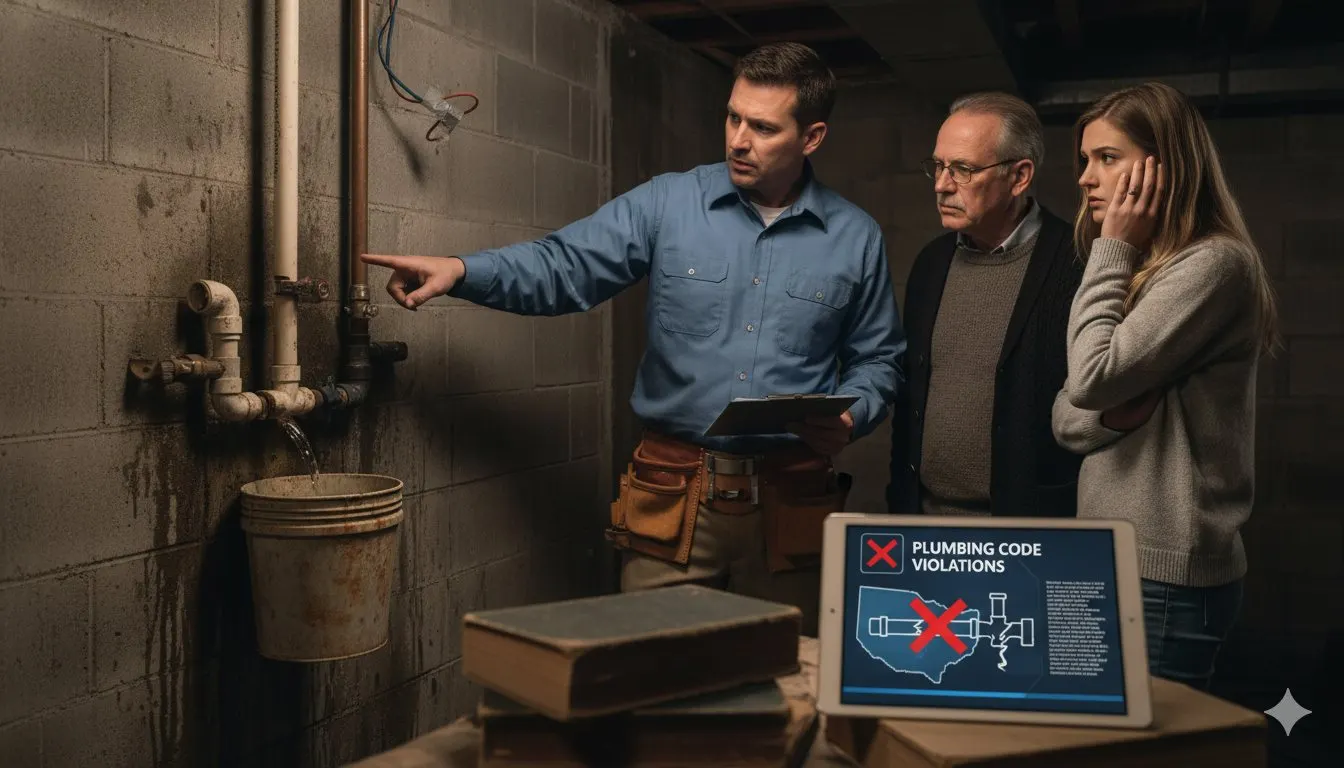
Plumbing code violations represent serious infractions that can compromise the safety, functionality, and legal compliance of residential and commercial properties. These violations occur when plumbing systems fail to meet established standards set by local municipalities and building authorities. For property owners in Ohio, understanding code violations for plumbing in Stark County is essential for maintaining safe, compliant, and valuable real estate investments.
Local plumbing codes serve as critical safety measures designed to protect public health, ensure proper sanitation, and maintain structural integrity. These regulations govern everything from pipe materials and installation methods to drainage systems and water pressure requirements. When violations occur, they can result in costly fines, legal complications, insurance issues, and potentially dangerous living conditions for occupants.
Property owners who neglect plumbing code compliance face significant risks including liability exposure, decreased property values, and difficulty selling or renting their properties.
Understanding these regulations isn't just about avoiding penalties—it's about creating safe, healthy environments for families and tenants while protecting substantial financial investments.
By staying informed about local requirements and working with qualified professionals, property owners can ensure their plumbing systems meet all necessary standards and continue operating efficiently for years to come.
Overview of Plumbing Code Violations
Plumbing code violations encompass any deviation from established plumbing standards and regulations that govern the installation, maintenance, and operation of water supply and drainage systems. These violations represent failures to comply with specific requirements designed to ensure public health, safety, and environmental protection. Understanding what constitutes a violation is crucial for property owners who want to maintain compliant, safe plumbing systems.
Common types of plumbing code violations include improper pipe sizing, inadequate venting systems, incorrect fixture installations, and substandard materials usage. Cross-connection violations, where potable water systems connect inappropriately with non-potable sources, represent particularly serious infractions. Drainage issues, including improper slope calculations, inadequate trap installations, and faulty backflow prevention devices, also constitute frequent violations.
Installation-related violations often involve incorrect pipe routing, insufficient support systems, and improper joint connections. Water heater installations frequently generate violations when clearance requirements, venting specifications, or temperature relief valve installations don't meet code standards. Bathroom and kitchen fixture installations can violate codes through improper spacing, inadequate water supply provisions, or faulty waste connections.
The consequences of violating plumbing codes extend far beyond simple fines and penalties.
Property owners may face legal liability if violations contribute to property damage, health hazards, or environmental contamination. Insurance companies may deny claims related to damage caused by code violations, leaving property owners responsible for expensive repairs and potential lawsuit settlements.
Municipal authorities can issue stop-work orders on construction projects, require expensive system replacements, and impose daily fines until violations are corrected. Real estate transactions may be delayed or cancelled when inspections reveal code violations, potentially costing thousands in lost sales or rental income. Additionally, violations can significantly decrease property values and create ongoing maintenance problems that compound over time, making early detection and correction essential for responsible property ownership.
Specific Code Violations Relevant
to Stark County
Stark County plumbing regulations follow Ohio state plumbing codes while incorporating specific local requirements that address regional concerns and environmental factors. The county enforces strict standards for residential and commercial plumbing systems, with particular attention to drainage, water quality, and environmental protection measures. Local building departments work closely with licensed plumbing contractors to ensure all installations meet current code requirements.
Understanding plumbing codes Stark County enforces helps property owners avoid common pitfalls that lead to violations and costly corrections. The county has specific requirements for pipe materials, with restrictions on certain older materials that may pose health risks. Wate r pressure regulations ensure adequate supply while preventing system damage, and drainage codes address the unique soil and weather conditions common in northeastern Ohio.
Sump pump installations represent one of the most frequent sources of code violations for plumbing in Stark County. Many property owners attempt DIY installations without understanding proper discharge requirements, electrical safety standards, or backup system specifications. Violations commonly occur when sump pump discharge pipes connect improperly to sanitary sewer systems, creating potential health hazards and environmental contamination.
Drainage issues constitute another major violation category, particularly regarding foundation drainage, downspout connections, and surface water management. Stark County's clay soil conditions and seasonal weather patterns create unique challenges that require specialized drainage solutions. Violations often result from inadequate slope calculations, improper pipe sizing, or connections between storm water and sanitary systems.
Recent changes to Stark County plumbing regulations have strengthened requirements for backflow prevention devices, water heater installations, and fixture efficiency standards. New construction projects must incorporate water conservation measures, while renovation projects may require system upgrades to meet current standards. The county has also implemented stricter licensing requirements for plumbing contractors, ensuring that only qualified professionals perform code-related work.
Additionally, Stark County has enhanced enforcement procedures for existing properties, conducting more frequent inspections and imposing stricter penalties for repeat violations.
Property owners should stay informed about these evolving requirements and work with licensed plumbing contractors Stark County recognizes to ensure ongoing compliance with all applicable regulations.
Identifying Plumbing Code Violations
Recognizing potential plumbing code violations requires understanding common warning signs that indicate system problems or non-compliance issues. Property owners should regularly monitor their plumbing systems for unusual sounds, odors, water pressure changes, or visible damage that might signal underlying code violations. Early identification helps prevent minor issues from developing into major violations that require expensive corrections.
Common signs of potential violations include slow drainage, gurgling sounds from fixtures, water pressure fluctuations, and unusual odors from drains or fixtures. Visible pipe damage, corrosion, or improper installations often indicate code compliance issues. Water staining, mold growth, or structural damage around plumbing fixtures may suggest drainage problems or cross-connection violations that require immediate attention.
Conducting regular self-inspections helps property owners identify potential problems before they become serious violations. Start by examining visible pipes for proper support, appropriate materials, and secure connections. Check fixture installations for proper spacing, adequate ventilation, and appropriate drainage connections. Inspect water heaters for proper clearances, functioning relief valves, and appropriate venting systems.
Examine drainage systems for proper slope, adequate trap installations, and appropriate vent connections. Look for signs of water damage, unusual odors, or pest intrusion that might indicate drainage problems. Test water pressure at various fixtures to ensure consistent, adequate supply throughout the property. Document any concerns with photographs and notes for future reference.
However, comprehensive code compliance assessment requires professional expertise that most property owners lack. Licensed plumbers possess specialized knowledge about local code requirements, proper installation techniques, and current regulatory standards. They can identify subtle violations that untrained individuals might miss, potentially preventing costly problems and legal complications.
Professional plumbing inspection services provide thorough evaluations that identify existing violations, potential problem areas, and recommended improvements. These inspections often prove cost-effective by identifying issues before they require emergency repairs or generate municipal violations. When considering property purchases, renovations, or routine maintenance, professional inspections provide valuable insights that help ensure long-term
code compliance and system reliability.
Dealing with Plumbing Code Violations
When property owners discover plumbing code violations, immediate action is essential to prevent escalating problems, additional penalties, and potential safety hazards. The first step involves documenting the violation thoroughly with photographs, written descriptions, and any relevant correspondence from municipal authorities. This documentation proves valuable when working with contractors, insurance companies, or legal representatives to address the violation effectively.
Contact municipal building departments promptly to understand specific violation details, correction requirements, and compliance deadlines. Many jurisdictions offer guidance about approved correction methods, required permits, and inspection procedures. Building officials can often provide valuable insights about the most cost-effective approaches to achieving compliance while meeting all safety requirements.
Obtain multiple quotes from licensed plumbing contractors who specialize in code compliance work. Qualified contractors understand local requirements, possess necessary permits and insurance, and can complete corrections efficiently while ensuring long-term compliance.
Compare proposals carefully, considering not just cost but also timeline, warranty provisions, and contractor reputation within the local community.
Rectifying violations typically involves several steps, beginning with obtaining necessary permits for correction work. Licensed contractors handle permit applications and ensure all work meets current code standards. Correction work must address not only the immediate violation but also any related issues that might cause future problems or additional violations.
During correction work, maintain open communication with contractors and building officials to ensure all requirements are met completely. Schedule required inspections promptly and address any concerns identified during the inspection process. Keep detailed records of all work performed, permits obtained, and inspections completed for future reference.
Hiring licensed plumbers for compliance work provides several advantages beyond simple violation correction. Licensed professionals understand evolving code requirements, possess appropriate insurance coverage, and provide warranty protection for completed work. They can often identify and address related issues that might become future violations, providing comprehensive solutions that protect property owners' long-term interests.
Quality contractors also maintain relationships with local building officials, facilitating smoother inspection processes and faster violation resolution. Their expertise ensures that correction work meets or exceeds current standards, reducing the likelihood of future violations and providing peace of mind for property owners who depend on reliable, compliant plumbing systems.
The Role of K and K Plumbing in Code
Compliance
K and K Plumbing Ohio specializes in helping property owners achieve and maintain plumbing code compliance throughout Stark County and surrounding areas. Our comprehensive services address all aspects of code compliance, from initial assessments and violation corrections to preventive maintenance and system upgrades. We understand the unique requirements of local plumbing codes and work diligently to ensure our clients' systems meet all applicable standards.
Our experienced team provides thorough plumbing inspection services that identify existing violations, potential problem areas, and recommended improvements. These detailed assessments help property owners understand their systems' current status and develop cost-effective strategies for achieving full compliance. We work closely with local building officials to ensure all correction work meets current standards and passes required inspections.
Customer testimonials consistently highlight our commitment to quality workmanship, transparent pricing, and reliable service delivery. Property owners appreciate our thorough approach to violation resolution, which addresses not only immediate compliance issues but also underlying problems that might cause future violations. Our warranty protection and ongoing support provide additional peace of mind for clients who depend on compliant, reliable plumbing systems.
When emergencies arise, our emergency plumbing services Stark County residents trust are available 24/7 to address urgent code violations and system failures. We understand that some violations pose immediate safety risks requiring prompt professional intervention. Our rapid response capabilities ensure that critical problems receive immediate attention, minimizing property damage and liability exposure while restoring safe, compliant operation as quickly as possible.
Frequently Asked Questions (FAQ)
What should I do if I receive a notice of code violation?
Upon receiving a violation notice, contact the issuing authority immediately to understand specific requirements and deadlines. Document all violation details thoroughly and consult with a licensed plumber who specializes in code compliance work. Avoid attempting DIY corrections, s improper work can worsen violations and create additional problems. Schedule professional assessment and correction work promptly to meet compliance deadlines and avoid escalating penalties.
How can I ensure my plumbing meets local codes?
Regular professional inspections help identify potential violations before they become serious problems. Work exclusively with licensed plumbing contractors for all installations, repairs, and maintenance work. Stay informed about local code changes and requirements through municipal building departments and professional plumbing associations. Consider upgrading older systems proactively to meet current standards rather than waiting for violations to occur.
What are the costs associated with fixing code violations?
Violation correction costs vary significantly depending on the specific violation type, system complexity, and required work scope. Simple violations might cost hundreds of dollars to correct, while major system replacements can cost thousands. However, prompt correction typically costs less than delayed action, which can result in additional penalties, property damage, and legal complications. Professional assessment helps establish realistic budgets for correction work.
Can I perform code violation corrections myself?
Most code violations require professional correction by licensed plumbers who understand local requirements and proper installation techniques. DIY attempts often worsen violations, create safety hazards, and may void insurance coverage. Licensed contractors provide warranty protection, proper permits, and inspection coordination that ensure violations are corrected completely and permanently. The cost savings from professional work typically outweigh DIY risks and potential complications.
Conclusion
Understanding and addressing code violations for plumbing in Stark County represents a critical responsibility for property owners who want to maintain safe, compliant, and valuable real estate investments. These violations pose serious risks including safety hazards, legal liability, financial penalties, and decreased property values. However, property owners who stay informed about local requirements and work with qualified professionals can successfully avoid violations while maintaining reliable, efficient plumbing systems.
Regular plumbing inspections provide essential protection against unexpected violations and costly emergency repairs. Professional assessments identify potential problems early, when correction costs remain manageable and system disruption stays minimal. Property owners should view these inspections as valuable investments that protect their properties, occupants, and financial interests over the long term.
The complexity of modern plumbing codes and evolving regulatory requirements make professional expertise increasingly valuable for property owners. Licensed contractors understand local requirements, possess necessary skills and equipment, and provide warranty protection that ensures lasting solutions. Their knowledge helps property owners navigate compliance requirements efficiently while avoiding costly mistakes that can compound problems over time.
Proactive code compliance management represents sound business practice for landlords, property managers, and homeowners alike. By addressing potential violations before they become serious problems, property owners protect their investments while providing safe, healthy environments for occupants. This approach ultimately proves more cost-effective than reactive responses to violations and emergency situations.
Ready to ensure your property meets all plumbing code requirements? Contact K and K Plumbing Ohio today at 330-875-8003 for comprehensive plumbing inspection services and expert code compliance solutions. Our experienced team helps Stark County property owners maintain safe, compliant plumbing systems that protect their investments and provide reliable service for years to come. Visit https://kandkplumbingoh.com/ to learn more about our services and schedule your consultation today!
Have a question about this topic? Contact K & K Plumbing or call 330-875-8003 for a free estimate.