
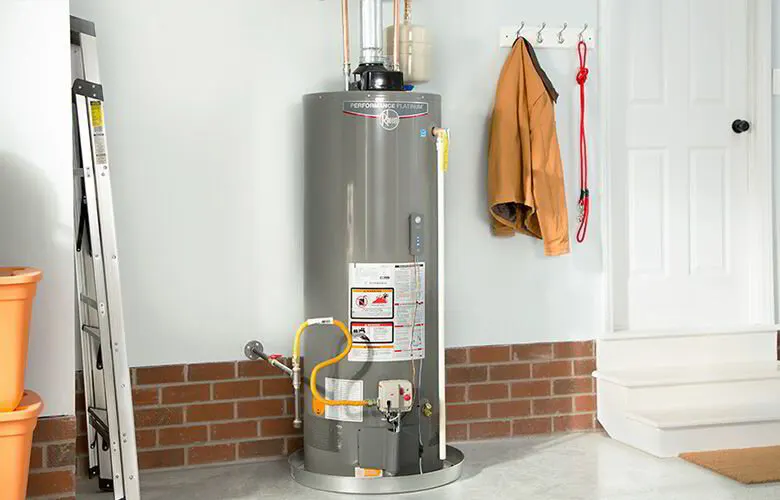
Checking Your Water Heater's Temperature Setting
The thermostat on your water heater controls more than comfort. Set too high, it raises the risk of scald injuries and wastes energy keeping water hotter than you need; set too low, you may run short of hot water. A quick check takes only a few minutes.
Finding a Sensible Setting
Many safety and energy organizations suggest about 120°F as a starting point for most households. Water at that temperature is comfortable for bathing and dishwashing and is far less likely to cause a serious burn than water at 140°F or higher, which can scald skin very quickly.
Some households have reasons to adjust. Homes with young children or older adults benefit from staying at or near 120°F. A home with a large family or an older dishwasher without a booster heater may want a little more. If anyone in the home has a weakened immune system, ask a health professional about the right balance.
How to Check the Actual Water Temperature
Dial markings are often vague, labeled with words like Warm, Hot or letters, so measure the water itself:
- Pick the faucet closest to the water heater and make sure no one has used hot water for an hour or so.
- Run the hot water for a minute or two until the temperature stops rising.
- Fill a cup and hold a cooking or candy thermometer in it.
- Compare the reading with your target. If you adjust the setting, wait several hours and test again before making another change.
Adjusting a Gas or Electric Tank
Make small changes. Thermostats are not precise, and it can take a full heating cycle for the tank to settle at the new setting.
Gas water heaters
The control knob is on the gas valve near the bottom of the tank. Turn it in small steps toward a lower or higher mark. Do not remove the control or touch the gas line.
Electric water heaters
Thermostats sit behind metal access panels, often one upper and one lower. Electrical terminals are exposed behind those panels, so you must switch off the breaker first. Remove the panel, fold back the insulation, and turn the adjustment screw with a flat screwdriver. Set both thermostats to the same temperature, then replace the insulation and covers before restoring power.
Energy Use and Comfort
A water heater loses heat through its walls all day, and the hotter the tank, the faster it loses heat. Lowering an overly high setting trims that standby loss. If you leave home for several days, the Vacation setting on many gas models holds the tank at a low temperature without turning the heater fully off.
Signs the Problem Is Not the Setting
If the temperature swings widely, the water is scalding even at a low setting, or you get only lukewarm water no matter what you do, the thermostat, a heating element, the gas control or a dip tube may be failing. Water that becomes extremely hot can also cause the relief valve to open, which is covered in our guide to testing the T&P valve. For these issues, schedule a water heater diagnosis instead of turning the dial higher.
Frequently Asked Questions
Is 120°F hot enough?
For most homes, yes. It handles showers, laundry and handwashing comfortably. If you consistently run out of hot water, the tank may be undersized or have a heating problem rather than a low setting.
Can I add a device to prevent scalding at the faucet?
Yes. Anti-scald shower valves and thermostatic mixing valves limit the temperature at fixtures. A plumber can install a mixing valve at the heater or upgrade shower valves.
Why does my electric water heater have two thermostats?
Most residential electric tanks have an upper and lower element, each with its own thermostat. They work in sequence, so set both to the same temperature to keep heating even.
Should I turn my water heater off when I go on vacation?
For a trip of several days, the Vacation or lowest setting is usually enough. Turning a gas unit fully off means relighting the pilot later. An electric tank can be switched off at the breaker for a long absence, as long as the tank stays full of water.
Request a free estimate
Tell us what's going on and we'll get back to you to schedule a time. Free estimates and consultations.
- Licensed, insured & bonded plumbers
- Clean, respectful job sites
- Fair, upfront pricing
- Emergency leak containment
Need help right now? Call 330-875-8003

Enjoy the reliable plumbing your home and family deserve with K and K Plumbing
We prioritize your satisfaction by delivering quality plumbing solutions tailored to your needs, carried out with precision, professionalism and dedication to excellence.
Start Your Free Quote Call 330-875-8003