
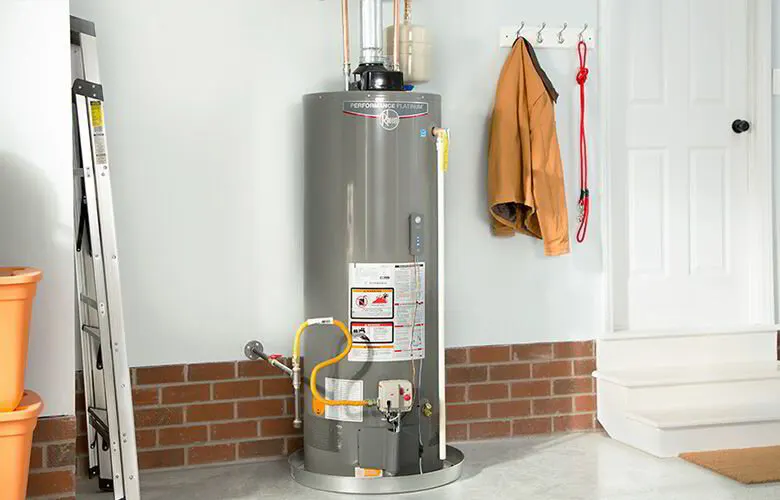
Flushing Your Water Heater Tank: A Step-by-Step Guide
Minerals in your water settle to the bottom of a tank water heater and harden into a layer of sediment. Draining some water out once a year clears much of it, helps the burner or elements work less hard, and gives you a chance to look the tank over.
Why Sediment Matters
Sediment sits between the heat source and the water. On a gas heater that means the burner runs longer to heat the same amount of water; on an electric unit, the lower element can get buried and fail early. A thick layer also takes up room that should hold hot water, so showers run cold sooner.
The most common sign is a popping or rumbling sound while the heater runs. That noise is water trapped under the sediment flashing into steam. Discolored or gritty hot water, and a drain valve that clogs when opened, point to the same problem.
Steps to Flush a Tank Water Heater
Read your owner's manual first, since controls vary by model. The general process looks like this:
- Turn off the heat source. For gas, set the control knob to Pilot or Vacation. For electric, switch off the breaker so the elements cannot fire in an empty tank.
- Close the cold water supply valve on the pipe entering the top of the tank.
- Attach a garden hose to the drain valve near the bottom and run it to a floor drain, sump pit or outdoors below the level of the valve.
- Open a hot water faucet somewhere in the house to let air in so the tank drains freely.
- Open the drain valve slowly. Let the water run until it looks clear, or drain the tank fully if your manual recommends it.
- With the drain still open, briefly open the cold supply to stir up and push out remaining sediment, then close it again.
- Close the drain valve, remove the hose, and reopen the cold supply. Leave the hot faucet open until water flows steadily with no sputtering.
- Restore the heat source only after the tank is full: relight or return the gas control to its setting, or switch the breaker back on.

Safety Notes Before You Start
The water coming out can be hot enough to burn. Wait a few hours after turning off the heat, or wear gloves and keep hands away from the hose end. Never energize an electric heater while the tank is empty, as the elements can burn out in seconds.
Plastic drain valves on older tanks can crack or refuse to close fully once sediment gets into them. Have a bucket and a hose cap handy. If the valve will not reseat and keeps dripping, shut the cold supply and call for help rather than forcing it.
How Often to Flush
Once a year is a reasonable baseline for most homes. Households on hard municipal water or a private well with heavy mineral content may benefit from flushing every six months. If a tank has gone many years without a flush, a very thick layer may not drain well at all, and stirring it up can clog the valve. In that case a professional assessment is a smart first step.
When to Call a Plumber
Call us if water is seeping from the tank body, the drain valve leaks after closing, the noise continues after a flush, or you smell gas at any point. Those signs can mean a failing tank or a valve that needs replacement. Our water heater repair and installation team can flush the tank, replace the drain valve, or tell you honestly whether replacement makes more sense. Flushing is also part of routine home plumbing maintenance visits.
Frequently Asked Questions
Does flushing a water heater really make a difference?
Yes, when sediment is the problem. Removing it lets heat reach the water more directly, reduces noise and can extend the life of electric elements. It will not fix a leaking tank or a failed thermostat.
Do I need to drain the whole tank?
Not always. Many manufacturers suggest draining a few gallons until the water runs clear. A full drain is more thorough. Follow the instructions for your model.
Why is my water heater still noisy after flushing?
Hardened scale may remain stuck to the tank bottom. If the rumbling continues, have a plumber look at it. Heavy buildup is common in older tanks and can signal that the heater is near the end of its service life.
Can I flush a water heater that has never been flushed?
You can try a small, careful drain, but old tanks with heavy buildup can clog the valve or cause it to leak. If the tank is older and has never been maintained, a professional check first is the safer choice.
Request a free estimate
Tell us what's going on and we'll get back to you to schedule a time. Free estimates and consultations.
- Licensed, insured & bonded plumbers
- Clean, respectful job sites
- Fair, upfront pricing
- Emergency leak containment
Need help right now? Call 330-875-8003

Enjoy the reliable plumbing your home and family deserve with K and K Plumbing
We prioritize your satisfaction by delivering quality plumbing solutions tailored to your needs, carried out with precision, professionalism and dedication to excellence.
Start Your Free Quote Call 330-875-8003