Introduction
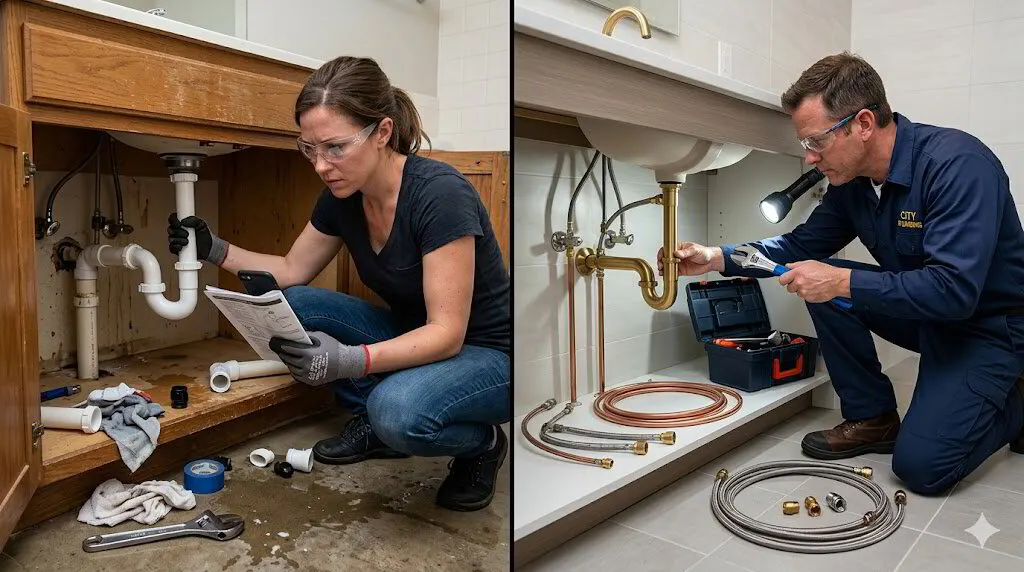
When facing plumbing installation needs in your home or business, one critical decision stands before you: should you tackle the project yourself or hire a professional? This choice between DIY vs professional plumbing installation can significantly impact your budget, timeline, and long-term satisfaction with the results.
Proper plumbing installation forms the backbone of any functional property. Whether you're a homeowner planning a bathroom renovation, a landlord maintaining rental properties, or a business owner ensuring operational continuity, the quality of your plumbing installation directly affects your daily operations and property value. Poor installation can lead to costly water damage, health hazards from contaminated water, and expensive emergency repairs that could have been prevented.
The DIY movement has gained tremendous momentum in recent years, with countless online tutorials making complex projects seem achievable for anyone with basic tools. However, plumbing installation involves intricate knowledge of water pressure, pipe materials, local building codes, and safety protocols that extend far beyond what meets the eye. While some projects may be suitable for skilled DIY enthusiasts, others require the expertise, licensing, and insurance coverage that only professional plumbing services can provide.
Making an informed decision requires understanding the true costs, risks, and benefits of each approach, ensuring your plumbing investment serves you well for years to come.
Understanding DIY Plumbing Installation
DIY plumbing installation offers several compelling advantages that attract homeowners and property managers seeking cost-effective solutions. The most obvious benefit is the potential for significant cost savings on labor expenses, which typically account for 50-70% of total plumbing project costs. When you handle the installation yourself, you're only paying for materials, tools, and permits, potentially saving hundreds or thousands of dollars depending on the project scope.
The sense of personal accomplishment that comes with completing a successful plumbing installation cannot be understated. Many homeowners find satisfaction in developing new skills and gaining a deeper understanding of their property's infrastructure. This knowledge proves valuable for future plumbing maintenance tasks and helps you make more informed decisions about your home's systems.
However, successful DIY plumbing projects require specific skill sets and careful preparation. Essential abilities include reading and interpreting plumbing diagrams, understanding pipe sizing and material compatibility, and possessing the physical dexterity to work in cramped spaces. You'll need proficiency with various tools, from basic wrenches to specialized pipe cutters and soldering equipment. Mathematical skills for calculating pipe runs, angles, and pressure requirements are equally important.
Common DIY plumbing projects that homeowners can typically handle include replacing faucets and showerheads, installing new toilet seats or basic toilet replacements, connecting washing machines or dishwashers to existing hookups, and replacing sink traps or garbage disposals. These projects generally involve straightforward connections to existing plumbing lines without major modifications to your home's infrastructure.
The availability of online resources, video tutorials, and detailed installation guides has made DIY plumbing more accessible than ever. Many manufacturers provide comprehensive instructions with their products, and home improvement stores offer tool rental programs that make specialized equipment affordable for one-time use. Additionally, DIY plumbing installation allows you to work at your own pace and schedule, accommodating busy lifestyles without coordinating with contractor availability.
Understanding Professional Plumbing Installation
Professional plumbing installation brings expertise, efficiency, and peace of mind that DIY approaches often cannot match. Licensed plumbers possess years of training and hands-on experience dealing with complex installations, unexpected complications, and code compliance requirements that can overwhelm even skilled DIY enthusiasts. Their comprehensive knowledge of local building codes ensures your installation meets all regulatory requirements, preventing costly violations and ensuring proper functionality.
When you hire professional plumbing services, you're investing in proven expertise that extends beyond basic installation. Professional plumbers understand the intricacies of water pressure calculations, pipe material compatibility, and system integration that affect long-term performance. They can identify potential issues before they become problems, recommend optimal solutions for your specific situation, and complete installations with precision that minimizes future maintenance needs.
Licensing and insurance considerations represent crucial advantages of professional installation. Licensed plumbers carry liability insurance that protects you from financial responsibility if accidents occur during installation. Their work typically comes with warranties that guarantee repairs or replacements if issues arise within specified timeframes. This protection provides significant value, especially for major installations that could cause extensive property damage if performed incorrectly.
Professional plumbers bring specialized tools and equipment that most homeowners don't possess. From pipe threading machines to pressure testing equipment, these tools ensure proper installation and thorough quality verification. The efficiency gained from using professional-grade equipment often results in faster completion times, minimizing disruption to your daily routine.
The long-term benefits of professional plumbing installation become apparent over time. Properly installed systems experience fewer leaks, require less maintenance, and operate more efficiently than poorly executed DIY installations. Professional installations often increase property values, particularly in bathrooms and kitchens where quality plumbing significantly impacts functionality and aesthetics.
Professional plumbers also provide valuable consultation services, helping you select appropriate fixtures, materials, and configurations that optimize performance within your budget. Their experience with various brands and products enables them to recommend reliable options while avoiding common pitfalls that plague inexperienced installers.
Comparing Costs: DIY vs Professional Plumbing
Understanding the true cost comparison between DIY vs professional plumbing installation requires examining both immediate expenses and long-term financial implications. Initial DIY costs appear attractive, typically including only materials, tools, and permits. For example, a basic toilet installation might cost $200-400 in materials versus $400-800 for professional installation including labor.
However, hidden costs can quickly erode DIY savings. Tool purchases or rentals add unexpected expenses, particularly for specialized equipment needed for specific installations. A pipe threading machine rental might cost $100-150 per day, while purchasing quality plumbing tools for a single project could exceed $500. Additionally, DIY projects often take significantly longer than anticipated, potentially requiring multiple trips to hardware stores and additional material purchases.
The most significant hidden cost involves mistakes and their consequences. A improperly installed water heater connection could flood your basement, resulting in thousands of dollars in water damage, mold remediation, and flooring replacement. Insurance companies may deny claims for damage caused by unpermitted or improperly performed DIY work, leaving you responsible for all repair costs.
Professional plumbing services provide transparent pricing that includes all necessary components for successful installation. While initial costs appear higher, professional installations typically include warranties, proper permits, and insurance coverage that protect your investment. The efficiency of professional work often results in lower total costs when factoring in time, materials, and risk mitigation.
Consider a bathroom renovation example: DIY installation might save $2,000 in labor costs but could take weeks to complete, during which you're without a functional bathroom. Professional installation completed in 2-3 days provides immediate functionality and peace of mind. If DIY mistakes require professional correction, you'll pay for both the original DIY materials and professional labor to fix problems, often exceeding the original professional quote.
Value for money in professional services becomes evident through proper installation, code compliance, and warranty protection that ensures your investment performs as expected for years to come.
When to Choose DIY Plumbing Installation
Certain plumbing installation projects align well with DIY capabilities, particularly those involving simple connections to existing systems without major modifications. Identifying suitable DIY plumbing projects requires honest assessment of your skills, available time, and risk tolerance. Basic fixture replacements, such as swapping out faucets, showerheads, or toilet seats, represent excellent starting points for DIY enthusiasts.
Installing appliances that connect to existing hookups, like washing machines, dishwashers, or ice makers, often fall within DIY capabilities. These projects typically involve straightforward connections using standard fittings and don't require extensive pipe modifications or code compliance knowledge. Similarly, replacing garbage disposals or installing new sink strainers can be accomplished with basic tools and moderate skill levels.
Assessing your skill level honestly prevents costly mistakes and safety hazards. Consider your experience with tools, ability to follow detailed instructions, and comfort working in confined spaces. Previous experience with home improvement projects provides valuable insight into your capabilities and patience for troubleshooting unexpected complications.
Physical requirements also factor into DIY suitability. Plumbing work often involves crawling under sinks, reaching into tight spaces, and manipulating heavy fixtures. If mobility limitations or physical constraints make these activities challenging, professional installation becomes the safer choice.
Gathering the right tools before starting any DIY plumbing project prevents frustration and ensures proper installation. Essential tools include adjustable wrenches, pipe wrenches, pliers, screwdrivers, and measuring devices. Project-specific tools might include pipe cutters, soldering equipment, or specialized wrenches for particular fittings. Investing in quality tools pays dividends if you plan multiple projects, while tool rental makes sense for one-time installations requiring expensive equipment.
Time availability represents another crucial consideration. DIY plumbing projects typically take 2-3 times longer than professional installations, particularly when learning new techniques or troubleshooting unexpected issues.
When to Hire a Professional Plumber
Certain plumbing installation scenarios demand professional expertise to ensure safety, code compliance, and proper functionality. Major installations involving new pipe runs, water line connections, or sewer modifications require extensive knowledge of local building codes, permit requirements, and inspection procedures that exceed typical DIY capabilities.
Any project requiring permits should involve professional plumbers who understand local regulations and maintain relationships with building departments. Gas line installations for water heaters or appliances present serious safety risks that mandate professional handling. Improper gas connections can cause explosions, carbon monoxide poisoning, or fire hazards that endanger lives and property.
Emergency plumbing situations requiring immediate attention often necessitate professional intervention. Burst pipes, sewer backups, or major leaks can cause extensive property damage within hours. Professional plumbers provide 24/7 emergency services with specialized equipment and expertise to quickly resolve critical issues and minimize damage.
Complex installations involving multiple systems, such as whole-house repiping, bathroom additions, or commercial plumbing, require professional coordination and expertise. These projects involve intricate planning, precise calculations, and systematic installation procedures that ensure proper integration with existing systems.
Code compliance and permit requirements vary significantly between jurisdictions, making professional knowledge invaluable for avoiding violations and ensuring legal installations. Professional plumbers stay current with changing regulations and maintain the necessary licenses and certifications for legal work in your area.
Installations affecting structural elements, such as moving walls for plumbing access or installing new fixtures requiring floor modifications, should involve professionals who understand building systems and can coordinate with other trades as needed.
Water heater installations, particularly for tankless units or commercial-grade systems, require expertise in electrical connections, gas lines, venting requirements, and safety protocols. Improper installation can void warranties, create safety hazards, and result in inefficient operation that increases utility costs.
Professional installation becomes essential when working with expensive fixtures or materials where mistakes could result in significant financial losses exceeding the cost of professional labor.
Real-Life Case Studies
Consider Sarah, a homeowner who successfully replaced her kitchen faucet through DIY installation. After researching online tutorials and purchasing the necessary tools, she completed the project in three hours for a total cost of $180, compared to a professional quote of $350. The installation functioned perfectly, and Sarah gained confidence for future simple plumbing maintenance tasks. Her success stemmed from choosing an appropriate project for her skill level and taking time to understand the process before beginning.
In contrast, Mark attempted to install a new toilet to save money during his bathroom renovation. Despite watching multiple videos, he struggled with the wax ring installation and accidentally cracked the toilet flange while tightening bolts. Water damage from improper sealing required professional remediation costing $2,800, plus the original toilet replacement. Mark's experience illustrates how DIY savings can quickly become expensive mistakes when projects exceed skill levels.
Professional installation success stories demonstrate the value of expertise and proper execution. Jennifer hired K and K Plumbing Ohio for a complete bathroom remodel involving new plumbing lines, fixture installations, and code updates. The professional team completed the complex project in four days, ensuring all work met current codes and passed inspections. Three years later, Jennifer's bathroom continues functioning flawlessly without any issues, validating her investment in professional plumbing services.
Another example involves a commercial property manager who initially attempted DIY repairs to save costs. After multiple failed attempts to resolve recurring drain issues, he contacted professional plumbing services for a comprehensive solution. The professional assessment revealed underlying pipe deterioration requiring specialized equipment and expertise to resolve. The permanent fix eliminated ongoing maintenance costs and prevented potential property damage from continued water issues.
Conclusion and Recommendations
The decision between DIY vs professional plumbing installation ultimately depends on project complexity, your skill level, available time, and risk tolerance. Simple fixture replacements and basic connections often suit DIY approaches for skilled homeowners willing to invest time in proper preparation and execution. However, complex installations, emergency situations, and projects requiring permits or code compliance typically warrant professional expertise.
Cost considerations extend beyond initial expenses to include hidden costs, potential mistakes, and long-term performance. While DIY installation can provide significant savings for appropriate projects, professional services offer value through expertise, efficiency, warranties, and risk mitigation that often justify higher upfront costs.
Successful DIY plumbing requires honest skill assessment, proper tool acquisition, adequate time allocation, and thorough project research. Start with simple projects to build confidence and skills before attempting more complex installations. Always prioritize safety and don't hesitate to consult professionals when facing unfamiliar situations or potential hazards.
Professional plumbing installation provides peace of mind, code compliance, and quality results that protect your investment and ensure long-term satisfaction. Licensed plumbers bring specialized knowledge, proper equipment, and insurance protection that DIY approaches cannot match for complex or high-risk projects.
Consider hybrid approaches where appropriate, such as purchasing fixtures yourself while hiring professionals for installation, or handling simple connections while leaving complex work to experts. This strategy can optimize costs while ensuring proper installation for critical components.
The key to successful plumbing decisions lies in matching project requirements with appropriate expertise levels, whether DIY or professional, to achieve optimal results that serve your needs effectively and safely.
Call to Action
Making the right choice between DIY vs professional plumbing installation requires careful consideration of your specific situation, skills, and project requirements. Don't let uncertainty lead to costly mistakes or safety hazards that could have been easily avoided with proper guidance and expertise.
At K and K Plumbing Ohio, we understand that every plumbing project is unique, and we're here to help you make informed decisions that protect your investment and ensure optimal results. Our experienced team provides comprehensive consultation services to help you determine the best approach for your specific needs, whether that involves professional installation, DIY guidance, or hybrid solutions that optimize both cost and quality.
Our licensed professionals bring decades of combined experience serving homeowners, landlords, and business owners throughout Ohio with reliable, transparent, and efficient plumbing solutions. We offer comprehensive services including plumbing repairs, drain cleaning, water heater installation, sewer line services, leak detection, bathroom remodeling plumbing, and emergency plumbing support when you need it most.
Ready to discuss your plumbing installation needs? Contact K and K Plumbing Ohio today at 330-875-8003 for expert consultation and transparent pricing on all your plumbing projects. Whether you need immediate emergency assistance, want to schedule a comprehensive installation, or simply have questions about the best approach for your specific situation, our team is ready to provide the professional guidance you deserve.
Visit our website at https://kandkplumbingoh.com/ to learn more about our services, read customer testimonials, and discover why property owners throughout Ohio trust K and K Plumbing Ohio for all their plumbing needs. Don't let plumbing problems disrupt your life – call the professionals who deliver reliable solutions with the expertise and integrity you can count on.
Have a question about this topic? Contact K & K Plumbing or call 330-875-8003 for a free estimate.