For several decades, traditional copper and rigid galvanized steel reigned supreme as the industry standard for residential and commercial water distribution lines. However, as material science advanced and the plumbing industry adapted to new engineering challenges, a flexible, high-performance alternative emerged: cross-linked polyethylene, universally known as PEX. PEX piping has fundamentally transformed the structural blueprint of modern plumbing architecture. Unlike rigid metal lines that demand intensive manual soldering, intricate torch work, and endless coupling joints, PEX provides a seamless, flexible, and exceptionally durable fluid delivery matrix. Today, this advanced polymer system operates as the default choice for water distribution infrastructure across the country, excelling in everything from simple fixture supply lines to full-scale, whole-house repiping initiatives.
The rise of PEX technology has been particularly beneficial for residential and commercial properties subjected to the extreme seasonal climate fluctuations of Northeast Ohio. When a severe winter freeze settles across the region, traditional rigid water pipes face a massive, destructive hazard: freezing and bursting. PEX piping, conversely, possesses unique elastic properties that allow it to expand dynamically if water freezes inside the line, and then contract back to its engineered dimensions once thawed without fracturing the pipe walls. This material flexibility provides property owners with an incredible built-in layer of defense against catastrophic water damage. However, maximizing the longevity, efficiency, and code standing of a polymer water matrix demands the technical touch of a licensed plumbing professional who specializes in specialized crimping, manifold layouts, and expansion joining techniques.
Whether you are building a custom home addition from the ground up, dealing with frustrating low water pressure in an older home, or looking to permanently update a corrosion-prone structural network, understanding the mechanics of PEX is vital. Homeowners and property managers throughout the region can turn to specialized PEX system service in Stark County, OH to ensure their culinary and space-heating water lines stand completely optimized. Entrusting your property's primary pressurized water delivery infrastructure to certified local plumbing specialists guarantees a highly reliable, leak-free system that stands fully compliant with the latest municipal laws and engineering tolerances.
The Science of PEX: Classifications and Grade Standards
To appreciate the engineering advantages of a PEX system, one must first explore the structural classifications of the material itself. Not all PEX piping is manufactured equal; the cross-linking process is executed through three distinct manufacturing methods, resulting in PEX-A, PEX-B, and PEX-C grade standards. Understanding these material variations is critical, as each grade carries unique flexible, burst-resistance, and thermal-memory tolerances that dictate how the piping behaves under pressure.
**PEX-A** represents the highest tier of flexibility and structural memory, produced via the peroxide (or Engel) manufacturing method. In PEX-A, the cross-linking of the polyethylene molecules occurs during the initial extrusion process while the polymer is in a completely molten state. This results in an exceptionally uniform cross-linking density that gives PEX-A incredible flexibility. A major mechanical advantage of PEX-A is its thermal memory; if a technician accidentally kinks a PEX-A line during a tight wall run, they can carefully apply controlled heat from a heat gun directly to the kink. The polymer will automatically return to its pristine, original round shape without compromising the burst pressure rating of the pipe wall.
**PEX-B** is manufactured using the silane (or moisture-cure) method, where the cross-linking process occurs after the pipe is extruded by running the line through a high-temperature hot water bath or steam room. While PEX-B has slightly less flexibility and no thermal memory compared to PEX-A, it possesses a significantly higher raw tensile strength and a greater resistance to chemical chlorine degradation. PEX-B is exceptionally rigid and durable, making it an excellent, highly cost-effective option for straight, high-pressure water main runs. **PEX-C** utilizes an electronic beam radiation method to cross-link the molecules after extrusion; while functionally effective, it is less common in modern whole-home water distribution networks because it is more prone to splitting if subjected to extreme physical kinking during tight retrofits.
Manifold Layouts vs. Trunk-and-Branch Plumbing Architecture
One of the most profound design advantages of PEX piping is its ability to completely discard traditional, material-heavy "trunk-and-branch" plumbing layouts in favor of an advanced home run or manifold distribution architecture. In a traditional trunk-and-branch system, a large-diameter pipe (the trunk) runs through the center of the home, and smaller pipes (the branches) split off to feed individual fixtures like sinks, showers, and toilets. This architecture requires an immense number of internal fittings, elbows, and T-connections hidden inside the walls, with every single joint representing a potential future site for a water leak.
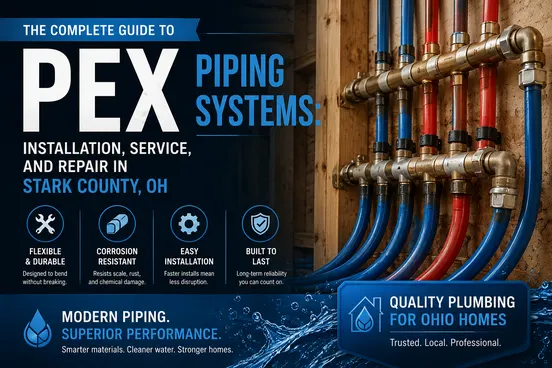
With a modern PEX home run manifold system, the plumbing is engineered like an electrical breaker box. A centralized brass or high-grade polymer manifold block is installed near the primary water service entrance or water heater. Dedicated, seamless lines of PEX pipe run directly from the manifold ports straight to each individual plumbing fixture without a single intermediate joint or hidden connection hidden behind drywall. This means that if a leak ever develops at a fixture faucet, the homeowner or technician can walk directly down to the central manifold and shut off the dedicated line for that specific sink without disrupting the water pressure to the rest of the house.
Furthermore, manifold architecture drastically improves thermal efficiency and hot water delivery speeds. Because each hot water line runs directly from the water heater to the faucet without splitting off to other fixtures, you experience virtually zero hot-water wait times and a massive reduction in localized pressure drops. You can flush a toilet in one bathroom without causing a dangerous temperature drop or a violent fluctuation in the water pressure of someone taking a shower in another bathroom. Homeowners seeking to eliminate frustrating temperature shocks can secure a modern configuration by booking a professional new plumbing installation in Stark County, OH.
Joining Mechanisms: Crimp, Clamp, and Cold-Expansion Systems
The physical integrity of a polymer water system relies entirely on the precision of its joining mechanisms. Because PEX cannot be solvent-welded with glue like PVC or soldered with a torch like copper, technicians utilize mechanical compression connections to create watertight seals. The three primary methods used by professionals are copper crimp rings, stainless steel cinch clamps, and cold-expansion sleeve systems.
The **copper crimp ring method** is a highly trusted, time-tested approach. The PEX tube is slid over a brass or poly-alloy insert fitting, a solid copper ring is placed over the joint, and a calibrated manual or hydraulic crimp tool applies massive mechanical force to compress the copper ring tightly around the pipe wall. The technician must systematically verify every single completed crimp joint using a specific "Go/No-Go" gauge block. If the gauge block does not slide over the compressed ring smoothly, the crimp is either under-compressed or over-compressed, requiring the line to be cut out and re-seated to guarantee long-term safety under pressure.
The **stainless steel cinch clamp method** operates on a similar compression principle but utilizes a continuous band of stainless steel with an integrated locking ear. A specialized tool pinches the ear of the clamp, tightening the steel band uniformly around the fitting. This method is highly favored in tight retrofit spaces because the tool operates from a single front-facing angle, making it an excellent mechanical choice for working in cramped wall cavities or historic crawl spaces. The third, premium method is the **cold-expansion system**, which can only be executed utilizing specialized PEX-A pipe. A PEX-A sleeve is placed over the pipe tip, and an electronic expansion tool stretches the diameter of the tube and sleeve outward. The brass fitting is inserted, and because PEX-A possesses elite structural memory, the polymer naturally shrinks back down with immense force, creating a permanent mechanical seal that actually grows tighter as the water pressure inside the system increases.
PEX vs. Copper: A Comprehensive Structural Comparison
When evaluating a whole-home plumbing upgrade or managing a complete repiping initiative, property owners are frequently caught between sticking with traditional copper or upgrading to a modern PEX system. While copper remains a highly durable, premium material with natural antimicrobial properties, it faces significant vulnerabilities in modern residential settings. Copper is highly susceptible to localized pitting corrosion if exposed to acidic well water, and it can suffer from severe scaling buildup over years of consistent exposure to heavy hard-water minerals.
PEX piping is entirely immune to corrosion, scaling, and electrolysis. Because the interior walls of a polymer pipe are incredibly smooth, they experience zero mineral scale adhesion, ensuring your home maintains pristine, consistent water flow velocities for decades without restriction. Additionally, PEX is an excellent natural thermal insulator; it experiences a fraction of the standby heat loss found in highly conductive copper lines, helping homeowners lower their monthly energy expenditures. Property owners looking to execute a complete material upgrade can learn more about their options by checking out our resource on repiping services in Stark County, OH.
| Performance Variable | Traditional Copper Piping | Modern PEX System Service |
|---|---|---|
| Freeze Shatter Resistance | Low (Rigid walls burst easily if frozen) | Exceptionally High (Elastic walls expand) |
| Corrosion & Scale Adhesion | Prone to pitting and mineral scaling | Entirely immune to scaling and chemical pitting |
| Hidden Connection Points | High (Endless soldered joints required) | Minimal (Seamless home run line execution) |
| Thermal Standby Loss | High (Rapid heat conduction through copper) | Low (Polymer insulates water temperature) |
Critical Engineering Limits: UV Degradation and Thermal Expansion
Despite the exceptional physical advantages of PEX piping, it is not an indestructible material. PEX possesses highly specific engineering limits that licensed installers must strictly respect to prevent premature line failures. The number one enemy of cross-linked polyethylene is direct ultraviolet (UV) radiation from sunlight. The chemical cross-linking that gives PEX its strength is easily broken down by prolonged exposure to UV rays. If PEX piping is stored on an open truck bed or installed in a sunlit area, the material will become brittle, resulting in premature structural micro-cracks and line bursts under pressure. PEX must always be stored in protective packaging and installed strictly inside indoor wall structures, unexposed basements, or dark crawl spaces.
Another critical variable that technicians must calculate is the material's high coefficient of thermal expansion. Polyethylene expands and contracts significantly more than metal if exposed to fluctuating water temperatures. For every 10 degrees of temperature change, 100 feet of PEX pipe can expand by approximately one inch in length. If a plumber pins a long, hot-water PEX line rigidly across floor joists with tight plastic straps, the expanding pipe will buckle, causing it to scrape repeatedly against wood framing as water is turned on and off—a phenomenon that generates annoying knocking sounds and leads to premature mechanical abrasion wear.
To manage this thermal expansion safely, professional installers design strategic "expansion loops" or wide offsets into long piping runs. They utilize loose, smooth suspension hangers that allow the pipe to glide laterally as its length changes dynamically. Furthermore, PEX lines must never be installed within a specific distance of high-heat sources like commercial chimney flues, gas water heater vents, or recessed lighting fixtures. Ensuring that your polymer system layout accounts for these physical constraints is a core component of code compliance, highlighting why hiring recognized specialists is an essential safeguard. Homeowners dealing with outdated or damaged metallic plumbing setups can book a comprehensive inspection via our service page for repair & replacement services in Stark County, OH.
The Legal Importance of Code Compliance and Testing
In the state of Ohio, all pressurized domestic water supply modifications are strictly governed by the Ohio Plumbing Code (OPC) and municipal building departments. These laws establish precise, legally binding parameters regarding water tube installation to safeguard public health and structural property values. For example, the code outlines the exact types of multi-layer oxy-barrier PEX lines required if the piping is used to feed closed-loop radiant hydronic floor-heating systems, preventing oxygen from permeating the pipe wall and rusting out expensive iron boiler components.
Furthermore, code mandates comprehensive hydrostatic pressure testing whenever a water line is modified or replaced. Once the PEX layout is completed, the system must be completely sealed, filled with water, and pressurized utilizing a calibrated hydraulic testing pump to a setting well above standard household operational limits. The technician monitors a precision test gauge for a legally mandated period to confirm that every crimp ring, manifold port, and faucet fitting holds pressure perfectly without dropping a single pound. Brushing connections with specialized electronic leak sniffers or visible dye solutions ensures full airtight safety before walls are permanently closed up. Homeowners facing local municipal notices or property transfers can easily resolve code issues by securing specialized code violation repairs in Stark County, OH.
Proactive Maintenance: Flushing, Testing, and Inspection Routines
While a properly crimped PEX plumbing system requires significantly less manual upkeep than an old metallic network, establishing a routine of proactive plumbing inspections is an essential pillar of long-term home ownership. Over months of consistent use, trace amounts of fine sediment from the municipal water main or hard-water mineral deposits from a private well system can occasionally collect inside the fine screen strainers of your individual manifold ports, leading to gradual pressure reductions at your faucets.
A comprehensive professional plumbing maintenance review includes a complete multi-point evaluation of your home’s primary water grid. A technician will visually examine every exposed PEX run in your basement or utility room, check the integrity of your manifold shut-off valves, and perform specialized pressure testing to ensure your home's main water pressure regulator is not malfunctioning. If incoming municipal water pressure exceeds 80 PSI, it can place undue stress on your polymer crimp points and internal faucet seals over time, requiring the addition of a pressure-reducing valve. Property owners throughout the wider Canton region can protect their plumbing investments by partnering with recognized experts providing plumbing maintenance services in Canton, Stark County, Ohio.
Additionally, technicians will carefully test the operation of your water main valves and confirm the integrity of your exterior hose links. Catching a weakening connection point, a loose mounting strap, or a minor micro-leak long before it escalates into a complete wall blowout saves homeowners thousands of dollars in emergency restoration fees and prevents extensive structural disruptions. This dedication to detailed diagnostic testing guarantees that your culinary, utility, and heating water delivery lines remain perfectly optimized and silent through every season of the year.
Conclusion: Embracing Modern Material Innovation
Upgrading your residential or commercial property with a beautiful, modern PEX water distribution system is a highly strategic investment that significantly boosts your real estate value, improves daily hot water delivery, and safeguards your walls from the devastating structural consequences of severe winter freeze bursts. From the streamlined organization of centralized home run manifolds to the exceptional rust resistance of advanced grade-grade polymers, PEX offers a long-lasting plumbing solution for every home layout. However, because domestic water distribution involves handling high pressurized flows and strict expansion physics, achieving flawless results requires letting verified professionals handle the design details.
By understanding the distinct differences within the PEX-A and PEX-B grade matrices, respecting strict UV safety clearance limits, and committing to proactive annual inspections, you guarantee your infrastructure operates at peak performance. When dealing with complex repiping initiatives, custom layout configurations, or urgent line repairs, selecting a verified regional expert ensures your plumbing stands fully compliant with the latest building codes, leaving you with complete peace of mind and perfectly flowing water year-round.
Are you ready to permanently eliminate the risk of frozen pipe bursts, update your home's water distribution grid, or repair a malfunctioning manifold line before the cold weather hits? K and K Plumbing provides the premier choice for professional, dependable, and fully code-compliant PEX system service and installation throughout Northeast Ohio. Our team of fully licensed plumbing experts specializes in seamless manifold layouts, custom home run retrofits, and advanced hydrostatic testing to keep your home's water lines perfectly optimized. Don't leave your indoor property safety to chance—partner with a highly trusted regional contractor. Visit K and K Plumbing today or contact our dedicated service desk to book your specialized plumbing consultation.
Have a question about this topic? Contact K & K Plumbing or call 330-875-8003 for a free estimate.