Effective Drain Cleaning Tips: Unclog
Drains While Protecting Your Pipes
Are you struggling with a sink drain that refuses to clear, no matter how much boiling water you pour down? This post will guide you through safe, effective methods to unclog your drains while ensuring your pipes remain intact. You'll learn about essential tools that make drain cleaning a breeze and preventative strategies to keep blockages at bay. We'll also discuss when it's time to call in professionals for those stubborn clogs. By following these tips, you'll protect your plumbing system and avoid the cost of frequent repairs. Say goodbye to the frustration of slow drains and hello to a free-flowing system with the help of sodium hydroxide and other safe solutions.
Understanding the Causes of Drain Blockages
When you face a clogged drain, understanding the root cause is key to effective and safe resolution. Identifying common culprits, such as hair, grease, and foreign objects, is the first step in drain maintenance. Different types of debris can have varying impacts on your plumbing, potentially leading to the need for a drain cleaner or even professional intervention. Hard water can also compromise drain efficiency, leaving mineral deposits that narrow pipes. Recognizing signs of distress in your pipes, including slow drainage or unusual noises, can help you act before issues escalate, preventing the need for drastic measures like Drano or dealing with frozen pipes. Stay informed to protect your pipes and keep water flowing smoothly.
Identifying Common Culprits Behind Clogged Drains
When you're faced with a sluggish drain, the usual suspects often involve a buildup of hair and soap scum. These materials can intertwine within your pipes, creating a stubborn blockage that resists water flow. A brush or a plumber's snake can be effective tools for dislodging these masses, allowing you to restore normal drainage without resorting to harsh chemicals.
Another frequent cause of clogs is the accumulation of grease and oil that solidifies inside pipes.
This is where the judicious use of a cleaning agent specifically designed for grease can be beneficial. For persistent problems, an inspection using specialized equipment can pinpoint the exact location and composition of the blockage, guiding the use of targeted solutions such as electric heating to melt the grease without damaging your plumbing.
Foreign objects, whether accidentally flushed or deliberately disposed of down the drain, can also lead to significant blockages. In these instances, a wire hanger might be repurposed to hook and remove the obstruction, or you might need to call in professionals who have the expertise to handle the situation without causing further damage to your pipes. Regular inspection and mindful disposal practices can prevent such scenarios, keeping your drains clear and functional.
How Different Types of Debris Affect Your Plumbing
When you encounter a blockage, it's crucial to consider the type of debris involved. Organic matter like food scraps can decompose, leading to unpleasant odors and attracting pests in your crawl space. In contrast, synthetic items such as wet wipes or feminine hygiene products do not break down easily, creating stubborn clogs that a master plumber might need to address.
These blockages can strain your plumbing system, increasing the risk of leaks and water damage over time.
Chemical reactions within your pipes can also be a cause for concern. For instance, when certain household cleaners or substances containing acid come into contact with metal pipes, they can trigger corrosion. This weakens the structural integrity of your plumbing, potentially leading to costly repairs. It's wise to use a gentle foam-based cleaner that can effectively remove clogs without causing harm to your pipes or the environment.
Temperature fluctuations can affect how debris behaves in your plumbing. If your thermostat is set too low during cold months, substances like grease can solidify more quickly, leading to clogs. Conversely, in warmer conditions, some types of debris may expand or become stickier, exacerbating blockages. Monitoring and adjusting your thermostat can help maintain an optimal environment for your plumbing, preventing debris-related issues.
The Impact of Hard Water on Drain Efficiency
Hard water, characterized by high mineral content, can be a silent adversary to your plumbing system, particularly affecting appliances like your dishwasher. Over time, minerals can accumulate, forming a scale that impedes water flow and efficiency. If you notice your dishwasher isn't cleaning as effectively, it might be time to inspect the pump for signs of clogging caused by these mineral deposits.
To combat the effects of hard water on your drains, consider a homemade mixture of vinegar and sodium bicarbonate. This solution can help dissolve the mineral buildup without the harshness of commercial cleaners, safeguarding the integrity of your pipes while addressing the clog. Regular use of this gentle yet effective method can keep your drains clear and maintain the performance of your plumbing fixtures.
If you're dealing with a clogged drain due to hard water, it's essential to act promptly. Ignoring the issue can lead to more severe blockages and even damage to your pipes. Softening your water with a filtration system or using water conditioners can prevent these buildups, ensuring your drains remain clear and your water pressure consistent.
Signs Your Pipes May Be at Risk
If you notice your drains are consistently slow to empty, it may be a sign that a blockage is forming. Before you reach a point where a flood is imminent, using a drain snake can be a proactive measure to unclog the pipes. This tool allows you to remove obstructions without the need for harsh chemical cleaners, preserving the integrity of your plumbing system.
During colder months, if you experience a sudden lack of water flow, your pipes could be at risk of freezing. This situation not only impedes your daily water use but can also lead to burst pipes, resulting in costly repairs. To prevent such issues, ensure your home is adequately heated and consider insulating your pipes to protect them from extreme temperatures.
Unusual noises, such as gurgling or bubbling sounds coming from your drains, can indicate that air is trapped by a clog in your plumbing. This symptom suggests it's time to inspect and possibly unclog your pipes. Acting swiftly can prevent more severe problems, such as backflow or water damage, and a cleaner, well-maintained drain system will minimize the risk of such distress signals.
Safe DIY Methods to Unclog Drains Without Harm
Confronting a drain clog can be a nuisance, but with the right approach, you can unclog your shower drain or sink without causing damage. This section will guide you through employing natural enzymes and cleaners as a gentle yet effective drain clog remover, provide a step-by-step manual for cleaning your drains, and outline the proper technique to wield a plunger with maximum effect. You'll also learn how to avoid harsh chemicals that could lead to leaks and damage your drainage system. These insights will empower you to tackle disposal blockages safely and efficiently.
Utilizing Natural Enzymes and Cleaners
When you're dealing with a clogged sewer line, natural enzymes offer a safe and effective alternative to harsh chemicals. These biological cleaners work by breaking down organic debris, allowing it to flow freely through your pipes. They're particularly useful for maintaining clear drains on a regular basis, preventing buildup before it becomes a problem.
Using a cable to dislodge blockages can be effective, but following up with enzyme-based cleaners ensures any remaining debris is fully digested. This method not only clears your current clog but also contributes to the long-term health of your plumbing system. It's a proactive approach that minimizes the risk of future blockages and the need for aggressive
interventions.
For those of you in colder climates, pipe insulation is a wise investment to protect against
frozen pipes, which can lead to clogs and bursts. After insulating, using natural cleaners can help maintain the flow and prevent the valve from becoming a choke point. This combination of physical protection and biological maintenance offers a comprehensive approach to drain care.
Step-by-Step Guide to Manual Drain Cleaning
If you're grappling with a blocked toilet, begin by donning gloves and clearing any visible obstructions from the bowl. Next, pour a bucket of hot water from waist height into the toilet; the force combined with the heat can often dislodge minor drain clogs without the need for liquid cleaners that may contain harmful petroleum derivatives.
To unclog your kitchen sink, start by removing any standing water. Then, create a mixture of equal parts baking soda and vinegar, pouring it down the drain. This natural reaction can break down the gunk without the risks associated with caustic liquids, offering a safer alternative for your pipes and the environment.
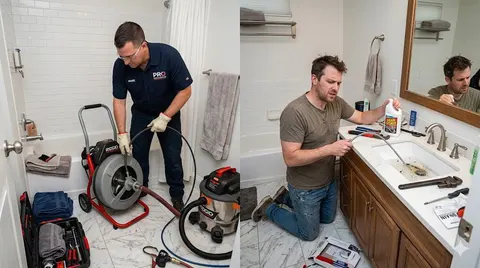
When you encounter resistance while manually cleaning your drains, resist the urge to apply excessive force, which could damage your plumbing. Instead, gently maneuver your plumber's snake or auger in a twisting motion to navigate through the clog. This technique allows you to reach deeper blockages and coax them out, restoring flow without compromising the integrity of your pipes.
The Do's and Don'ts of Using a Plunger Effectively
When you're faced with a kitchen sink clogged by stubborn food remnants, using a plunger can be a highly effective solution. Ensure you have a tight seal around the drain opening to create the necessary vacuum. With firm, consistent plunges, you can often dislodge the blockage, restoring water flow without resorting to chemical cleaners that may harm your water supply system.
If your shower drain is clogged, resist the temptation to plunge aggressively, as this can damage the pipes. Instead, fill the shower with a small amount of water to cover the plunger's lip, and use gentle but firm thrusts. This method allows you to address the clog directly and can help you clear the obstruction without the need for professional intervention.
For any clogged drain, it's crucial to use the plunger correctly to protect your plumbing. If you're not seeing results after several attempts, it may be time to stop and reassess the situation. Continuing to plunge without success could indicate a more serious issue that requires a customer-focused plumbing professional to safely resolve the problem without compromising your pipes.
Avoiding Harsh Chemicals That Damage Pipes
When you're faced with a stubborn clog in your basement drain, reaching for a chemical cleaner might seem like a quick fix. However, these harsh substances can corrode your pipes, leading to leaks that compromise the sanitary sewer system. Instead, use a plunger to apply gentle pressure, which can dislodge blockages effectively without the risk of pipe damage, following drain cleaning tips that prioritize the longevity of your plumbing.
It's essential to understand that the integrity of your pipes is crucial for a well-functioning home plumbing system. If you're tempted to use a caustic drain cleaner, remember that the short-term gain is not worth the long-term consequences. These products can eat away at the pipe's interior, especially in older homes, where the plumbing might not be as resilient. Stick to manual methods and natural solutions to keep your drains clear and your pipes safe.
As you maintain your home's plumbing, consider the impact of your choices on the overall health of your pipes. By avoiding aggressive chemicals and opting for safer alternatives, you're not only protecting your pipes but also contributing to a healthier environment. Your proactive approach to drain cleaning, using a plunger and eco-friendly methods, will ensure that your pipes remain in top condition, safeguarding your home from unexpected plumbing emergencies.
Essential Tools for Protected Drain Cleaning
Embarking on home improvement tasks like unclogging toilets and drains requires the right tools to protect your pipes and ensure a job well done. Selecting the appropriate plumber's snake for your needs is crucial, as is having the correct safety equipment to prevent pipe damage. Understanding how to use a drain auger correctly can save you from costly mistakes, while maintenance tools are key for long-term pipe health. This section will equip you with the knowledge to unclog drains effectively, safeguarding your plumbing infrastructure.
Selecting the Right Plumber's Snake for Your Needs
Choosing the right plumber's snake, also known as a drain auger, is crucial for effectively tackling clogs without causing water damage or undue pressure on your pipes. You'll want to consider the diameter and length of the snake to match the size of your pipes and the depth of the clog. A smaller hand-held auger might suffice for minor blockages, while a larger, motorized snake may be necessary for deeper, more stubborn clogs that could threaten your septic tank or plumbing system.
When you use a plumber's snake, it's important to do so with care to avoid a chemical reaction that could damage your pipes. If you've previously used a chemical cleaner, ensure that it's been thoroughly flushed out before introducing the snake. This prevents any potential interaction between the tool and residual chemicals, which could lead to corrosion or weaken the structural integrity of your plumbing, leading to costly repairs.
For particularly resistant clogs, especially those near heating elements like a water heater, you might find a heating pad useful. Applying gentle heat can soften the obstruction, making it easier for the plumber's snake to break through and clear the path. This method can be especially effective for grease or oil buildups that have solidified, allowing you to unclog your drain without resorting to aggressive tactics that could harm your pipes.
Safety Equipment to Prevent Pipe Damage
When you embark on drain cleaning, safeguarding your pipes is paramount. Utilizing a hair dryer to gently warm up the exterior of a frozen pipe can gradually thaw the blockage without causing the pipe to crack. This method is a safer alternative to chemical drain cleaners, which can deteriorate your plumbing over time.
As you seek drain cleaning services, ensure they use non-invasive tools to protect the integrity of your pipes. Professionals often employ video inspection techniques to precisely locate clogs, allowing for targeted cleaning that minimizes stress on your plumbing system.
Remember, the goal is to unclog drains without inflicting damage. Protective gear like gloves and goggles is essential when handling any drain cleaning equipment, even when using seemingly innocuous tools. This approach not only keeps you safe but also prevents accidental scratches or dents on delicate pipe surfaces, ensuring the longevity of your plumbing infrastructure.
How to Use a Drain Auger Correctly
If you're grappling with a clogged sink, using a drain auger can be a highly effective solution.
Begin by slowly feeding the cable into the drain, turning the handle in a clockwise direction to
navigate through the clog. This careful motion allows the auger to hook onto the blockage, enabling you to pull it out or break it down without exerting excessive force that could damage your pipes.
When you encounter a persistent odor or resistance that suggests a deeper clog, continue to extend the auger with steady, measured pressure. It's essential to avoid aggressive pushing, as this could cause the auger to double back on itself, potentially leading to pipe damage. Instead
let the tool work its way through the obstruction, and you'll likely find that patience pays off in maintaining the integrity of your plumbing while resolving the issue.
Should you feel the auger has reached the heart of the clog, gently rotate the handle to dislodge the debris. At this point, you may need to retract the cable slightly and then advance it
again to thoroughly clear the blockage. This technique, when performed correctly, can save you the cost and inconvenience of calling a clogged drain service, ensuring your sink returns to optimal functionality with minimal fuss.
Maintenance Tools for Long-Term Pipe Health
To ensure the longevity of your plumbing and avoid the hassle of clogged drains, regular maintenance is crucial. Leak detection tools are invaluable for identifying potential issues before they escalate, allowing you to address them promptly. By incorporating leak detection into your routine, you can prevent the need for searching "clogged drain service near me" and tackle minor repairs before they become major concerns.
When you're learning how to unclog a drain, it's essential to be aware of the risks associated with gas leaks. If you smell gas while working on your plumbing, stop immediately and contact a professional. Gas leak detection is a critical safety step that should never be overlooked, as it ensures not only the efficiency of your plumbing but also the safety of your home.
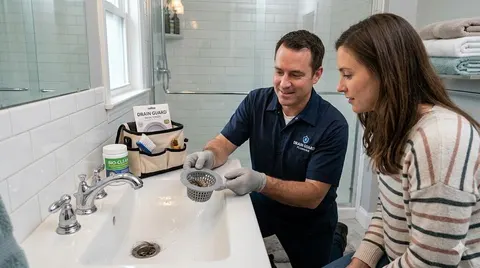
Investing in quality maintenance tools can save you from the inconvenience of repeatedly dealing with clogged drains. Tools like drain guards and hair catchers are simple yet effective in preventing debris from entering your pipes. By using these tools, you can maintain clear drains and minimize the frequency of clogs, ensuring your plumbing system remains in optimal condition.
Preventative Strategies to Keep Drains Clear
Preventative maintenance is your first line of defense in keeping drains clear and functioning properly. Regular maintenance routines for homeowners, including the use of drain screens and strainers, are essential in preventing clogs. Specifically, stainless steel strainers can shield bathtub and shower drains from hair and debris. Proper disposal of grease and oils is also critical to avoid blockages. Additionally, scheduling professional inspections can help identify issues before they escalate, ensuring your roof and plumbing system remain in peak condition.
These strategies not only protect your pipes but also save you from future inconvenience and expense.
Regular Maintenance Routines for Homeowners
To maintain a clear sewer system and prevent clogs, you should regularly flush your drains with a mixture of vinegar and hot water. This simple, non-toxic solution works to dissolve organic matter that may have accumulated in your pipes. By incorporating this routine monthly, you're taking a proactive step towards keeping your plumbing free of blockages and functioning efficiently.
When using your garden hose for irrigation or other outdoor activities, be mindful not to introduce debris into your indoor plumbing. Ensure that the hose is clear of mud, leaves, and other materials that could travel through your system and cause a clog. This precaution helps maintain the integrity of your pipes and supports a seamless flow of water throughout your property.
Another effective maintenance habit involves the cautious use of sodium-based products. While sodium bicarbonate, commonly known as baking soda, is excellent for occasional drain cleaning, excessive use can lead to sediment buildup. Use it sparingly in combination with vinegar to create a fizzy reaction that can help dislodge minor blockages without damaging your pipes.
The Role of Drain Screens and Strainers
Drain screens and strainers serve as a simple yet effective barrier, preventing hair, soap remnants, and other debris from entering your pipes and leading to a clogged sink. By installing these small devices, you're taking a proactive step to minimize the need for searching "drain unclogging near me," saving you time and money in the long run. It's a straightforward solution that can significantly reduce the frequency of blockages in your plumbing system.
While bacteria play a crucial role in breaking down organic waste within your pipes, they can't always compete with the volume of debris that drain screens and strainers can catch. By using these tools, you help maintain a cleaner environment for the bacteria to work effectively, ensuring that your machine-like plumbing system operates smoothly without the interruptions caused by clogs.
In colder climates, a space heater can be a valuable ally in preventing pipes from freezing, but it's no substitute for the preventative power of drain screens and strainers. These small fixtures can catch materials that might otherwise solidify in cold temperatures, leading to a clogged sink or shower. By incorporating drain screens and strainers into your home maintenance routine, you're not only protecting your pipes but also ensuring that your space heater's efforts aren't in vain.
Best Practices for Disposing of Grease and Oils
When you're cleaning up after a meal, it's essential to avoid pouring grease and oils down your bathroom or kitchen sink. These substances can solidify within your pipes, leading to severe blockages that complicate drain cleaning efforts. Instead, let the grease cool and then dispose of it in the trash, or repurpose it if possible, to ensure your drains remain clear and free-flowing.
During your routine kitchen cleanup, you might wonder how to handle the oily residue left on pans. Rather than rinsing it down the sink, wipe the cookware with a paper towel to remove excess oil before washing. This simple step can significantly reduce the risk of clogs and the need for aggressive drain cleaning methods that could potentially harm your bathroom and
kitchen plumbing.
For those of you who enjoy deep-frying or cooking with large amounts of oil, consider storing the
used oil in a container and taking it to a local recycling center that accepts cooking oils. This practice not only helps you maintain a clog-free home but also contributes to environmental conservation by ensuring that oils are processed correctly, rather than causing issues in your bathroom or kitchen drains.
Scheduling Professional Inspections
Enlisting the services of a professional for regular plumbing inspections can be a game-changer in maintaining your drainage system. These experts come equipped with the tools and knowledge to detect issues that aren't immediately apparent, allowing you to address potential problems before they escalate into costly repairs. Think of it as a health check-up for your pipes, ensuring they remain clear and function optimally year-round.
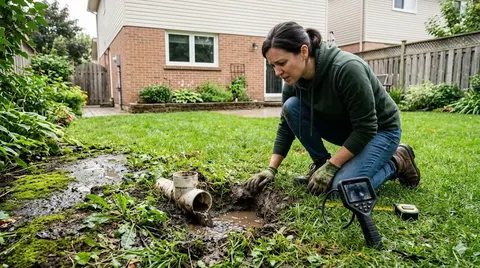
During a professional inspection, a plumbing specialist might use advanced techniques like camera inspections to get a clear view of your pipes' interior. This non-invasive method provides a real-time look at the condition of your drains, identifying any buildups or weaknesses. By catching these early, you can prevent the inconvenience of a clogged drain and the need for emergency plumbing services.
Remember, while DIY methods are useful for minor clogs, they can't replace the thoroughness of a professional inspection. Scheduling these regularly not only keeps your drains flowing but also protects the longevity of your entire plumbing system. You'll have peace of mind knowing that your pipes are in expert hands, safeguarding your home from unexpected plumbing disasters.
Professional Solutions for Stubborn Clogs
When your efforts to clear a clog fall short, it's time to seek expert assistance. Professionals offer advanced solutions like hydro jetting, which can efficiently remove stubborn blockages while safeguarding your pipes. During a professional drain cleaning, expect thorough service that addresses the root of the problem. To ensure pipe safety, it's wise to ask your plumber about the methods and tools they'll use. This section will guide you through recognizing when to call in the experts, the advantages of hydro jetting, what a professional cleaning entails, and the right questions to ensure your pipes remain intact.
When to Seek Expert Assistance
If you've tried multiple drain cleaning methods and your pipes remain clogged, it's time to consider expert assistance. Persistent blockages can indicate deeper issues that require professional tools and expertise to resolve. Seeking help from a qualified plumber ensures that your plumbing system is handled with care, preventing further damage and restoring functionality efficiently.
When you encounter recurring clogs or slow drainage despite regular maintenance, this is a clear signal to call in a professional. A skilled plumber can diagnose underlying problems that aren't immediately visible, such as tree root intrusion or pipe corrosion. Their intervention can save you from the inconvenience and potential water damage that comes with DIY attempts that fall short.
Should you notice water backing up in sinks or toilets, it's crucial to act swiftly and seek professional plumbing services. These symptoms can point to a blockage in your main sewer line, a situation that demands immediate attention. A licensed plumber will have the necessary equipment to clear the blockage safely, ensuring your home's plumbing system remains intact and operational.
Understanding Hydro Jetting and Its Benefits
Hydro jetting stands as a powerful solution when conventional drain cleaning methods fail to clear stubborn clogs. This technique employs high-pressure water streams to obliterate blockages and buildup, ensuring your pipes are thoroughly cleansed without the use of harmful chemicals. It's a safe, efficient, and environmentally friendly approach that can restore your plumbing system's flow capacity to its optimal state.
One of the key benefits of hydro jetting is its ability to reach deep into your plumbing system, effectively removing not just the immediate blockage but also any residue lining the pipe walls.
This comprehensive cleaning method can prevent future clogs, saving you time and money on repeated drain issues. It's a proactive measure that keeps your pipes in prime condition, reducing the likelihood of emergency plumbing situations.
When you choose hydro jetting, you're opting for a solution that not only clears blockages but also enhances the overall health of your plumbing system. Unlike abrasive chemical cleaners, hydro jetting preserves the integrity of your pipes, preventing potential leaks and extending their lifespan. It's a wise investment in the longevity of your home's plumbing infrastructure, offering peace of mind and long-term savings.
What to Expect During a Professional Drain Cleaning
When you enlist the services of a plumbing professional for drain cleaning, expect a thorough assessment of your system. Your plumber will likely begin with a detailed inspection, possibly using a camera to pinpoint the exact location and nature of the clog. This non-invasive diagnostic approach ensures that the cleaning process targets the problem area directly, avoiding unnecessary work and preserving the condition of your pipes.
During the cleaning process, you can anticipate the use of specialized tools designed to remove blockages without damaging your plumbing. High-pressure water jets or motorized drain augers may be employed to dislodge and flush out debris, ensuring a comprehensive clean.
These methods are not only effective but also safeguard your pipes from the harsh effects of chemical cleaners, contributing to the longevity of your plumbing system.
After the blockage is cleared, your plumbing expert will provide you with insights and recommendations to prevent future clogs. This might include tips on proper disposal of grease and the use of drain strainers, as well as the suggestion of regular maintenance cleanings. By following this professional advice, you'll help ensure your drains remain clear, reducing the
likelihood of future plumbing emergencies and maintaining the health of your pipes.
Questions to Ask Your Plumber About Pipe Safety
When consulting with a plumber about clearing a stubborn clog, it's wise to inquire about the safety measures they employ to protect your pipes. Ask them to detail the tools and techniques they'll use, ensuring they're designed to safeguard the integrity of your plumbing system while effectively resolving the issue.
Seek clarity on how the plumber plans to inspect and clean your drains; this can offer you peace of mind that the service provided will not only be thorough but also mindful of preserving your pipes. Understanding their approach can help you feel confident that the professional drain cleaning will enhance, not harm, your plumbing's longevity.
Don't hesitate to question the plumber about any chemicals or solutions they might introduce into your system. It's crucial for you to know that any materials used will not corrode or damage your pipes, maintaining the health of your plumbing infrastructure and preventing future complications.
Tips for Protecting Your Pipes During Cleaning
As you navigate the complexities of drain cleaning, it's essential to recognize the limitations of DIY methods and understand the materials that should never enter your drains. Monitoring your water pressure is also critical to prevent damage to your plumbing system. Additionally, being aware of how seasonal changes can impact your pipes will help you maintain their integrity. This section will provide you with practical tips to ensure your cleaning efforts are safe and effective, preserving the health of your plumbing without resorting to professional intervention.
Recognizing the Limitations of DIY Methods
While tackling a clogged drain on your own can be cost-effective, you must recognize when a problem is beyond the scope of DIY methods. If you've repeatedly attempted to clear a blockage with no success, it's likely time to consult a professional. Persisting with home remedies could inadvertently lead to pipe damage or exacerbate the issue, resulting in more expensive repairs.
It's essential to understand that some clogs, particularly those deep within your home's plumbing system, require tools and techniques that are not typically available to the average homeowner. Using makeshift devices or excessive force can damage pipes, compromise joints, or even cause leaks that could go unnoticed until they cause significant damage to your home.
Remember, your safety is paramount when dealing with plumbing issues. If you encounter standing water or suspect a clog is related to your electrical system, such as a dishwasher or garbage disposal, it's prudent to step back and seek professional help. This ensures not only the protection of your plumbing but also your personal well-being, avoiding the risks associated with electrical components and water.
Materials to Avoid Putting Down Your Drains
When maintaining your home's plumbing, you should be cautious about what goes down your drains. Certain materials, such as cooking grease, coffee grounds, and eggshells, can solidify or accumulate, leading to stubborn clogs that challenge even the most diligent homeowner. By avoiding the disposal of these substances in your sink, you're taking a proactive step towards preserving the integrity of your pipes and ensuring smooth operation.
You might not realize it, but even seemingly harmless items like cotton swabs, paper towels, and so-called "flushable" wipes can wreak havoc on your plumbing system. These products do not break down easily and can quickly create blockages that disrupt water flow. It's essential to dispose of these materials in the trash rather than risking the health of your drains and the potential for costly repairs.
It's also wise to be mindful of the chemicals that enter your drains, as certain cleaning agents can corrode pipes over time. Harsh substances like bleach and drain cleaners might offer a quick fix, but they can also lead to long-term damage that compromises your plumbing. Instead, opt for gentler, enzyme-based cleaners that effectively break down clogs without endangering your pipes' condition.
Monitoring Your Water Pressure to Prevent Damage
Monitoring your water pressure is a critical step in maintaining the health of your plumbing system. Excessive pressure can strain your pipes, leading to leaks or bursts, especially when attempting to clear clogs. You should regularly check your water pressure with a gauge and adjust it if necessary to prevent undue stress on your pipes, ensuring they remain intact during cleaning efforts.
If you notice a sudden drop in water pressure while cleaning your drains, this could signal an underlying issue that may require professional attention. It's important to halt any DIY cleaning methods immediately and investigate the cause, as continuing could exacerbate potential damage to your plumbing infrastructure.
When you're proactive about managing water pressure, you're not only safeguarding your pipes during cleaning but also extending their lifespan. Installing a pressure regulator can provide you with control and peace of mind, keeping the pressure within a safe range and reducing the risk of damage during both everyday use and drain cleaning processes.
How Seasonal Changes Affect Your Plumbing System
As temperatures plummet in winter, your plumbing system faces the risk of frozen pipes, which can lead to blockages or even bursts. To prevent this, keep your home's thermostat set at a consistent temperature and consider adding insulation to pipes in vulnerable areas such as basements or attics. This proactive approach ensures your pipes remain free from ice-induced clogs, maintaining smooth drainage throughout the colder months.
During the warmer seasons, increased rainfall and humidity can contribute to pipe swelling and soil shifting, potentially impacting underground plumbing. It's wise to check your property's drainage capability to ensure it can handle heavy rains, thus preventing undue pressure on your pipes that could lead to clogs or damage. Regular gutter cleaning and ensuring proper landscape drainage can mitigate these risks, keeping your plumbing system intact.
Seasonal changes also bring about varying household activities that can affect your plumbing, such as summer vacations leading to less frequent use or holiday cooking increasing the likelihood of grease clogs. Be mindful of these patterns and adjust your drain cleaning practices accordingly. For instance, before a trip, run hot water through your drains to clear any existing debris, and after festive cooking, dispose of oils and fats properly instead of pouring them down the sink.
Conclusion
Effective drain cleaning is crucial for maintaining a healthy plumbing system, preventing blockages, and avoiding costly repairs. Utilizing the right tools and techniques, such as natural cleaners and manual augers, can safely dislodge clogs without damaging pipes. Regular maintenance, including the use of strainers and proper disposal of grease, plays a pivotal role in keeping drains clear. Ultimately, understanding when to seek professional help ensures that persistent or complex issues are resolved efficiently, safeguarding the longevity and functionality of your plumbing infrastructure.
Have a question about this topic? Contact K & K Plumbing or call 330-875-8003 for a free estimate.