Your home's sewer line operates silently beneath the surface, carrying waste away from your property day after day. When functioning properly, you rarely think about this critical component of your plumbing system. However, when sewer line problems develop, they can quickly escalate into costly disasters that threaten your property's integrity and your family's health. Understanding the warning signs early can save you thousands of dollars in repairs and prevent dangerous health hazards from developing in your living space.
As a homeowner, landlord, or property manager, recognizing these crucial indicators before they become emergencies is essential for maintaining a safe and functional property. Sewer line issues don't announce themselves with dramatic fanfare; instead, they often begin with subtle signs that gradually worsen over time. By staying vigilant and knowing what to look for, you can address problems promptly and avoid the stress and expense of major sewer line failures that require extensive excavation and repair work.
Introduction to Sewer Line Issues
Maintaining your property's sewer lines represents one of the most critical yet overlooked aspects of home ownership and property management. These underground pipelines serve as the lifeline between your home's plumbing fixtures and the municipal sewer system, handling everything from toilet waste to kitchen grease and bathroom drainage. When these systems function properly, they efficiently transport waste away from your property without any noticeable impact on your daily life.
However, sewer line problems can develop gradually over time due to various factors including aging infrastructure, tree root intrusion, ground settling, and improper waste disposal practices. Many properties, particularly older homes, feature sewer lines made from materials like clay, cast iron, or Orangeburg pipe that deteriorate over decades of use. These materials become susceptible to cracks, breaks, and complete collapse, leading to significant plumbing issues that require immediate professional attention.
The impact of sewer line problems extends far beyond simple inconvenience. When these systems fail, they can cause sewage backups in your basement, create unsanitary conditions throughout your property, and even compromise your home's foundation. Raw sewage contains harmful bacteria and pathogens that pose serious health risks to occupants, while prolonged exposure to moisture can lead to mold growth and structural damage. Additionally, sewer line failures can contaminate groundwater, affect neighboring properties, and result in expensive cleanup costs that insurance policies may not fully cover. Understanding these potential consequences emphasizes the importance of recognizing early warning signs and taking prompt action when sewer line maintenance becomes necessary.
Top Signs You Need Sewer Line Repair
1. Unpleasant Odors in Your Yard or Home
One of the most obvious signs you need sewer line repair involves persistent, foul odors that seem to emanate from your yard, basement, or various areas throughout your home. These smells typically resemble rotten eggs, sewage, or decomposing organic matter and often become more pronounced during humid weather or after heavy rainfall. When sewer lines develop cracks or breaks, gases and waste materials escape into the surrounding soil, creating these unmistakable odors that can permeate your property.
These smells may initially appear intermittent, perhaps only noticeable when you're working in your garden or spending time in your basement. However, as the sewer line damage worsens, these odors become more constant and widespread. You might notice them near specific areas of your yard, particularly around the path where your sewer line runs toward the street connection. Indoor odors often concentrate near floor drains, laundry areas, or bathrooms located in basements or lower levels of your home.
2. Frequent Backup in Toilets or Drains
Recurring backups in multiple fixtures throughout your home represent a serious indicator of sewer line problems that require immediate attention. Unlike isolated clogs that affect single drains, sewer line issues typically cause simultaneous problems across various plumbing fixtures. You might notice that when you flush an upstairs toilet, water backs up in your basement floor drain, or running your washing machine causes sewage to appear in your shower.
These backups often occur in the lowest drains first, as gravity naturally directs overflow to these areas when the main sewer line becomes blocked or damaged. Property owners frequently experience these issues during peak usage times, such as morning routines when multiple family members are using various fixtures simultaneously. The backup material often contains toilet paper, waste, and debris that clearly indicates a main line problem rather than a simple fixture-specific clog.
3. Slow Draining Fixtures
When multiple plumbing fixtures throughout your home begin draining slowly despite individual drain cleaning efforts, this pattern suggests significant sewer line problems that require professional evaluation. Unlike typical drain clogs that affect single fixtures and respond well to basic drain cleaning services, sewer line blockages create widespread drainage issues that worsen progressively over time.
You might notice that your kitchen sink takes longer to empty after washing dishes, your bathroom vanity drain seems sluggish during morning routines, and your shower doesn't clear water as quickly as usual. These symptoms often develop gradually, making them easy to dismiss initially as minor inconveniences. However, when multiple fixtures exhibit these behaviors simultaneously, the underlying cause typically involves main sewer line obstruction or damage that prevents proper waste flow toward the municipal connection.
4. Unusual Patches of Lush Grass or Wet Spots in the Yard
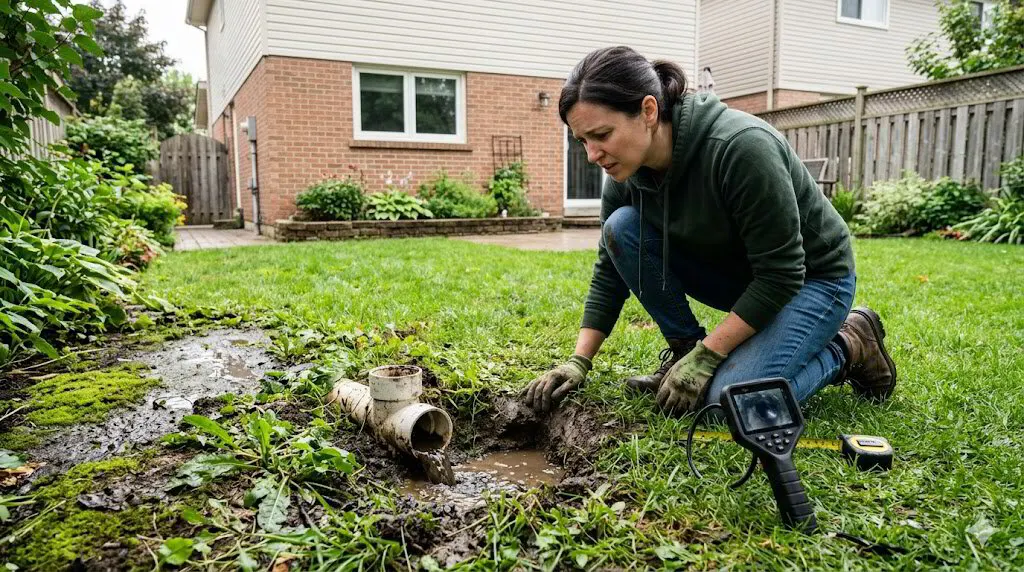
Unexplained areas of exceptionally green, lush grass or persistently wet spots in your yard can indicate sewer line leaks that are fertilizing and saturating the surrounding soil. Sewage acts as a natural fertilizer, providing nutrients that cause grass and vegetation to grow more vigorously in affected areas. These patches often appear greener and more robust than surrounding lawn areas, creating noticeable contrasts in your landscape.
Additionally, you might observe soft, soggy areas in your yard that remain wet even during dry weather conditions. These spots may develop unpleasant odors and attract increased insect activity. The affected areas typically follow the path of your underground sewer line, creating linear patterns of unusual vegetation growth or moisture retention that help pinpoint the location of potential breaks or leaks in the system.
5. Foundation Cracks or Settling
Sewer line leaks can compromise the soil stability around your home's foundation, leading to settling, cracking, and other structural issues that require immediate attention. When sewage continuously leaks into the ground near your foundation, it saturates the soil and reduces its ability to provide stable support for your home's structure. This process can occur gradually over months or years, making it difficult to connect foundation problems with underlying sewer line issues.
You might notice new cracks appearing in your foundation walls, basement floors, or exterior concrete surfaces. Doors and windows may begin sticking or operating differently as the foundation settles unevenly. These structural changes often coincide with other plumbing signs and should prompt immediate professional evaluation to determine whether sewer line problems are contributing to foundation instability.
6. Increased Pest Activity
Damaged sewer lines create attractive environments for various pests, including rodents, insects, and other unwanted creatures that seek moisture, food sources, and shelter. Rats and mice can actually enter your plumbing system through broken sewer lines and travel through pipes to emerge in your home through drains, toilets, or other fixtures. This disturbing scenario represents a serious health hazard and indicates significant sewer line damage that requires immediate professional repair.
You might also notice increased activity from insects like drain flies, cockroaches, or beetles that thrive in moist, organic-rich environments created by sewer leaks. These pests often appear near basement drains, laundry areas, or bathrooms and may seem impossible to eliminate despite regular cleaning and pest control efforts. The root cause involves addressing the sewer line problems that create these attractive conditions for pest infestations.
7. Unexplained Increase in Your Water Bill
Sudden, unexplained increases in your monthly water bill can indicate hidden sewer line leaks that allow treated water to escape into the surrounding soil before reaching its intended destination. While sewer lines primarily carry waste away from your home, damaged pipes can also affect the water supply lines that run parallel to sewer systems or create conditions that increase overall water usage throughout your property.
Monitor your water bills carefully and investigate any significant increases that don't correspond with changes in your household's water usage patterns. Even small leaks can waste hundreds of gallons per month, creating substantial cost increases over time. Professional leak detection services can identify hidden problems that contribute to these unexplained expenses while preventing more serious damage from developing.
8. Sewage in Your Basement or Yard
The appearance of raw sewage in your basement, yard, or other areas of your property represents an emergency situation that requires immediate professional intervention. This clear indicator of severe sewer line failure poses serious health risks and can cause extensive property damage if not addressed promptly. Sewage contains harmful bacteria, viruses, and other pathogens that can cause serious illness through direct contact or airborne exposure.
Basement sewage backups often occur during heavy rainfall when damaged sewer lines allow groundwater infiltration that overwhelms the system's capacity. Yard sewage may appear as dark, foul-smelling puddles or wet areas that contain visible waste materials and toilet paper. These situations require emergency plumbing solutions and professional cleanup services to ensure safe remediation and prevent health hazards.
9. Gurgling Sounds from Drains
Unusual gurgling, bubbling, or sucking sounds coming from your drains often indicate air displacement caused by sewer line blockages or damage. When waste cannot flow freely through damaged pipes, air gets trapped and creates these distinctive sounds as water attempts to navigate around obstructions. These noises typically occur when you're using various fixtures and may seem to come from drains in different areas of your home.
Pay particular attention to gurgling sounds that occur when you're not actively using plumbing fixtures, as these may indicate more serious sewer line problems. The sounds often intensify during peak usage periods and may be accompanied by slow drainage or backup issues that confirm main line problems requiring professional evaluation and repair.
10. Persistent and Recurring Plumbing Issues
When you find yourself repeatedly calling for plumbing repairs to address the same types of problems throughout your home, this pattern often indicates underlying sewer line issues that require comprehensive evaluation. Individual fixture problems that keep recurring despite professional attention may actually stem from main line problems that affect your entire plumbing system's performance and reliability.
These recurring issues might include frequent toilet clogs, repeated drain blockages, persistent odors, or ongoing drainage problems that seem to migrate between different fixtures. Rather than continuing to address symptoms individually, persistent plumbing problems warrant thorough sewer line inspection to identify and resolve root causes that contribute to these ongoing maintenance challenges.
The Dangers of Ignoring Sewer Line Problems
Postponing necessary sewer line repairs can expose your family and property to serious health risks that extend far beyond simple plumbing inconvenience. Raw sewage contains dangerous bacteria, viruses, and parasites including E. coli, salmonella, and hepatitis that can cause severe illness through direct contact, inhalation, or contamination of food and water sources. Children and elderly family members face particularly high risks from these pathogens, as their immune systems may be less capable of fighting off sewage-related infections.
Prolonged exposure to sewer gases can cause respiratory problems, headaches, and other health issues that may worsen over time. These gases often contain hydrogen sulfide and methane, which can be toxic in concentrated amounts and create dangerous conditions in enclosed spaces like basements or crawl areas. Additionally, sewage-related moisture can promote mold growth throughout your home, leading to allergic reactions and respiratory problems that persist long after the initial sewer line problem is resolved.
The property damage potential from ignored sewer line problems can quickly escalate into tens of thousands of dollars in repair costs. Continuous sewage leaks can undermine your home's foundation, causing structural damage that requires extensive and expensive remediation. Basement flooding from sewer backups can destroy flooring, drywall, furniture, and personal belongings while creating conditions that require professional mold remediation services.
Landscaping damage from sewer leaks can kill trees, shrubs, and grass while contaminating soil that may require removal and replacement. Additionally, many homeowner's insurance policies exclude coverage for sewer line problems and related damage, meaning you'll likely bear the full financial responsibility for repairs and cleanup. The longer you wait to address sewer line issues, the more extensive and expensive the necessary repairs become, making early intervention crucial for protecting both your health and your investment.
How to Choose the Right Plumbing Team for Sewer Line Repairs
Selecting qualified professionals for sewer line repairs requires careful evaluation of credentials, experience, and service capabilities that ensure reliable, long-lasting solutions. Look for plumbing contractors who maintain proper licensing and insurance coverage, as these credentials demonstrate their commitment to professional standards and protect you from liability during repair work. Experienced sewer line specialists should possess specialized equipment for video inspection, hydro jetting, and trenchless repair techniques that minimize property disruption while delivering effective results.
Reputable plumbing services provide transparent pricing, detailed written estimates, and clear explanations of recommended repair approaches before beginning work. They should offer emergency plumbing solutions for urgent situations while also providing comprehensive maintenance programs that help prevent future problems. Check online reviews, ask for local references, and verify that potential contractors have specific experience with sewer line problems similar to your situation.
Quality plumbing professionals invest in ongoing training and modern equipment that enables them to handle complex sewer line challenges efficiently and effectively. They should be willing to explain their diagnostic process, discuss various repair options, and help you understand the long-term benefits of different approaches. Additionally, established plumbing companies typically offer warranties on their work and maintain relationships with suppliers that ensure access to quality materials and replacement parts when needed for your specific sewer line system.
DIY vs Professional Sewer Line Repairs
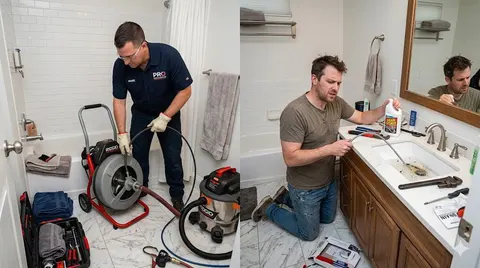
While homeowners can address some minor drain cleaning tasks and basic maintenance activities, sewer line problems typically require professional expertise, specialized equipment, and extensive experience to resolve safely and effectively. Simple drain clogs in individual fixtures may respond to plunging, drain snakes, or commercial drain cleaners, but these approaches prove ineffective against main sewer line blockages or structural damage that requires comprehensive repair solutions.
Professional sewer line repair offers numerous advantages including accurate diagnostic capabilities, access to advanced repair techniques, and warranties that protect your investment. Licensed plumbers possess specialized video inspection equipment that identifies exact problem locations and damage extent without unnecessary excavation. They understand local building codes, permit requirements, and proper installation techniques that ensure repairs meet regulatory standards and provide long-term reliability.
Cost considerations favor professional repair for major sewer line problems, as improper DIY attempts often worsen existing damage and create additional problems that increase overall repair expenses. Professional repairs typically include warranties and guarantees that provide peace of mind and protection against future issues. Additionally, many insurance policies require professional installation and repair work to maintain coverage, making DIY approaches potentially costly if problems develop later. The complexity of modern sewer line systems, combined with the serious health and safety risks involved, make professional service the prudent choice for most sewer line repair situations.
Conclusion
Recognizing the signs you need sewer line repair represents a critical skill for protecting your property investment and ensuring your family's health and safety. The ten warning signs discussed throughout this guide provide clear indicators that help you identify potential problems before they escalate into costly emergencies. From persistent odors and recurring backups to foundation issues and unexplained water bill increases, these symptoms warrant immediate professional evaluation and prompt repair action.
The consequences of ignoring sewer line problems extend far beyond simple inconvenience, potentially exposing your family to serious health risks while threatening your property's structural integrity and value. Professional diagnosis and repair services offer the expertise, equipment, and warranties necessary to resolve these complex issues effectively while preventing future problems that could disrupt your daily life and strain your budget.
Don't wait until minor sewer line issues become major disasters that require extensive excavation and costly emergency repairs. If you've noticed any of the warning signs discussed in this guide, contact K and K Plumbing Ohio today for a comprehensive sewer line inspection and professional evaluation. Our experienced team provides reliable emergency plumbing solutions, transparent pricing, and long-term repair strategies that protect your property and restore your peace of mind. Call us at 330-875-8003 or visit https://kandkplumbingoh.com/ to schedule your sewer line assessment and take the first step toward resolving your plumbing concerns with confidence.
Have a question about this topic? Contact K & K Plumbing or call 330-875-8003 for a free estimate.