Introduction to Clogged Drains
Clogged drains represent one of the most frustrating and common plumbing issues that property owners face daily. Whether you're a homeowner dealing with a slow-draining kitchen sink or a property manager handling multiple units with recurring drainage problems, understanding how to prevent clogged drains is essential for maintaining a functional plumbing system and avoiding costly emergency repairs.
A clogged drain occurs when debris, grease, hair, soap scum, or other materials accumulate within the pipe system, creating a blockage that restricts or completely stops water flow. These obstructions can develop gradually over time or form suddenly, depending on what materials enter the drainage system and how well the pipes are maintained.
The most common causes of drain clogs include hair accumulation in bathroom drains, grease and food particles in kitchen sinks, soap residue buildup throughout the system, and foreign objects accidentally dropped down drains. Additionally, mineral deposits from hard water can create scaling inside pipes, narrowing the passage and making clogs more likely to form.
Understanding these fundamental causes is the first step in developing an effective prevention strategy. By implementing proper plumbing maintenance practices and being mindful of what goes down your drains, you can significantly reduce the likelihood of experiencing serious blockages that require professional intervention or emergency plumbing services.
Signs of a Clogged Drain
Recognizing the early warning signs of clogged drain is crucial for addressing problems before they escalate into major plumbing emergencies. Property owners who can identify these indicators early often save themselves significant time, money, and inconvenience by taking prompt action.
Water backing up in sinks and tubs is perhaps the most obvious sign of a drainage problem. When water pools around the drain opening instead of flowing freely down the pipe, it indicates a partial or complete blockage somewhere in the system. This backing up may start as a minor inconvenience but can quickly worsen if left unaddressed, potentially leading to overflow and water damage.
Gurgling sounds from drains represent another clear warning sign that shouldn't be ignored. These unusual noises occur when air bubbles struggle to move through restricted passages in the plumbing system. The gurgling typically happens when water tries to flow past accumulated debris, creating turbulence and air pockets. These sounds often accompany other symptoms and may be heard from multiple drains if the blockage affects a main line.
Slow drainage is frequently the first noticeable symptom of developing clogs. Water that takes longer than usual to disappear down the drain indicates partial blockage that's restricting normal flow. This gradual slowdown often occurs over several days or weeks as debris accumulates, making it easy to dismiss initially. However, slow drainage rarely improves on its own and typically worsens without intervention.
Additional warning signs include unpleasant odors emanating from drains, water appearing in unexpected locations, and recurring clogs in the same drain. Being attentive to these early indicators allows property owners to implement preventive measures before requiring emergency plumbing services.
Preventive Measures for Clogged Drains
Learning how to prevent clogged drains through consistent preventive measures is far more cost-effective and convenient than dealing with emergency blockages. Professional plumbing maintenance experts recommend implementing a comprehensive approach that combines daily habits, weekly routines, and periodic professional oversight to maintain optimal drainage performance.
Regular maintenance tips form the foundation of effective drain care. Establishing weekly hot water flushes helps dissolve accumulated grease and soap residue before they solidify into problematic blockages. Pour several gallons of hot water down each drain weekly, allowing the temperature to break down organic materials and flush away loose debris. This simple practice, when performed consistently, significantly reduces the likelihood of gradual buildup that leads to serious clogs.
Monthly deep cleaning routines should include removing visible debris from drain openings, cleaning pop-up stoppers in bathroom sinks, and checking for hair accumulation around tub and shower drains. These routine inspections allow property owners to address minor issues before they develop into major problems requiring professional drain cleaning services.
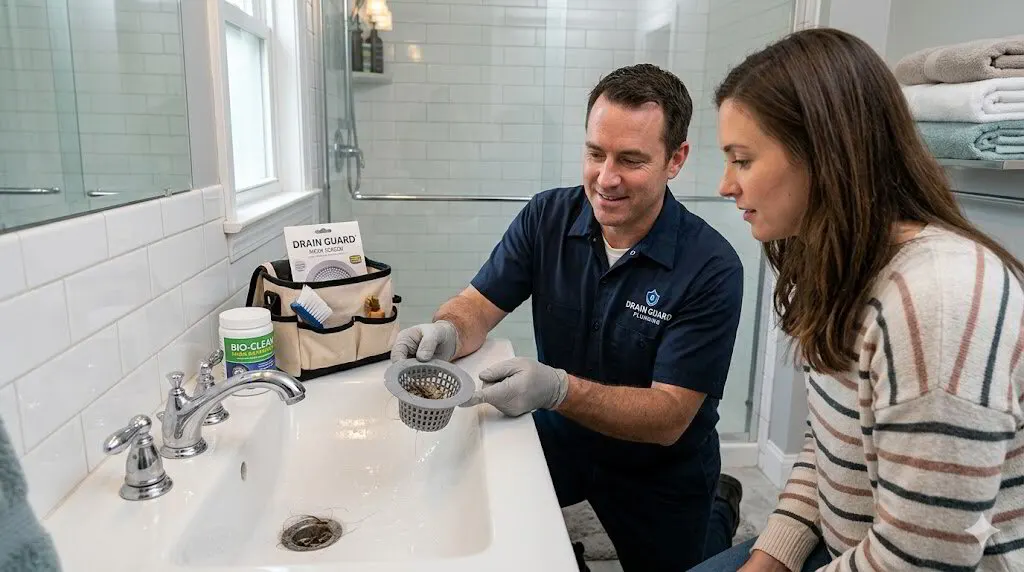
The importance of using drain screens cannot be overstated in any comprehensive prevention strategy. These inexpensive devices act as the first line of defense against debris entering the plumbing system. Kitchen drain screens catch food particles, coffee grounds, and other organic matter that commonly cause clogs in kitchen sinks. Bathroom screens prevent hair, soap chunks, and small objects from entering the drainage system. Quality screens pay for themselves many times over by preventing costly plumbing repairs and emergency service calls.
Proper installation and regular cleaning of drain screens maximize their effectiveness. Choose screens with appropriate hole sizes for each application – smaller openings for bathroom drains where hair is the primary concern, and slightly larger openings for kitchen sinks where food particles are more problematic. Clean screens weekly to prevent accumulated debris from restricting water flow or creating unpleasant odors.
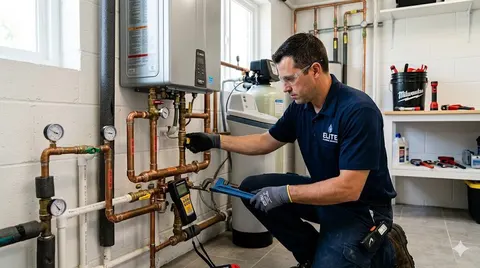
Periodic professional inspections represent a crucial component of comprehensive drain care, particularly for property managers overseeing multiple units or homeowners with older plumbing systems. Professional plumbers can identify potential problems before they become emergencies, recommend appropriate maintenance schedules, and provide specialized drain cleaning services that remove accumulated buildup beyond the reach of typical DIY methods.
Annual or bi-annual professional inspections allow experienced technicians to assess the overall health of the drainage system, identify areas prone to clogging, and recommend specific preventive measures based on the property's unique characteristics. This proactive approach helps property owners avoid unexpected emergency plumbing situations and extends the lifespan of their plumbing infrastructure.
Common Drainage Issues and Solutions
Understanding specific drainage issues in different areas of your property enables targeted prevention strategies that address the unique challenges each location presents. Different rooms generate different types of debris, requiring customized approaches to prevent drain clogs effectively.
Kitchen sink clogs typically result from grease, oil, food particles, and coffee grounds entering the drainage system. Grease represents the most problematic material because it solidifies as it cools, creating stubborn blockages that trap other debris. Prevention focuses on proper grease disposal – never pour cooking oil or grease down the drain. Instead, collect grease in containers and dispose of it with regular trash. Install quality drain screens to catch food particles, and avoid using the garbage disposal for fibrous vegetables, bones, or large quantities of food waste. Regular hot water flushes help dissolve minor grease accumulation before it becomes problematic.
Bathroom drain issues primarily involve hair, soap scum, and personal care products creating blockages in sinks, tubs, and showers. Hair combines with soap residue to form particularly stubborn clogs that resist simple removal attempts. Effective bathroom plumbing tips include installing hair-catching screens in all drains, removing visible hair regularly, and avoiding excessive use of thick lotions or oils that can contribute to buildup. Weekly cleaning of pop-up stoppers and drain covers prevents accumulated debris from entering the plumbing system.
Shower and tub drains face additional challenges from soap scum buildup and mineral deposits in areas with hard water. These materials create rough surfaces inside pipes that catch hair and other debris more easily. Monthly treatments with appropriate cleaning solutions help maintain smooth pipe surfaces and prevent accumulation.
Laundry drain problems often stem from lint, fabric softener residue, and detergent buildup creating blockages in utility room drainage systems. Washing machine discharge can carry significant amounts of lint and soap residue, particularly when washing heavily soiled items or using excessive detergent quantities. Prevention strategies include using appropriate detergent amounts, installing lint traps on washing machine discharge hoses, and performing monthly hot water flushes to clear accumulated residue. Regular inspection of laundry room drains helps identify potential issues before they require professional intervention or emergency plumbing services.
DIY Tips to Prevent Clogged Drains
Implementing effective DIY strategies for how to prevent clogged drains empowers property owners to maintain their plumbing systems proactively while reducing dependence on emergency services. These practical approaches focus on simple, cost-effective methods that anyone can perform with basic household supplies.
Understanding what to avoid putting down drains represents the most critical aspect of prevention. Never dispose of cooking grease, oil, or fat through kitchen drains, as these substances solidify and create stubborn blockages. Coffee grounds, despite seeming harmless, accumulate over time and contribute to serious clogs. Avoid flushing hair, dental floss, cotton swabs, or feminine hygiene products down bathroom drains. In kitchen areas, prevent large food particles, eggshells, and fibrous vegetables from entering the drainage system, even when using garbage disposals.
Homemade drain cleaning solutions provide effective, environmentally-friendly alternatives to harsh chemical products. A monthly treatment combining one cup of baking soda followed by one cup of white vinegar creates a foaming action that helps break down organic buildup and deodorize drains. Allow the mixture to sit for 30 minutes before flushing with hot water. This natural combination effectively dissolves soap scum, minor grease accumulation, and organic debris without damaging pipes or creating harmful fumes.
For more stubborn buildup, create a paste using baking soda and dish soap, apply it around drain openings, and scrub gently before rinsing thoroughly. This method helps remove visible residue and prevents it from entering the plumbing system.
Routine flushing practices maintain optimal drainage performance between deep cleaning sessions. Weekly hot water flushes help dissolve accumulated materials before they solidify into problematic blockages. Pour several gallons of hot water down each drain slowly, allowing the temperature to break down grease and soap residue effectively. For kitchen drains, follow hot water flushes with cold water to help solidify any remaining grease for easier removal during the next cleaning cycle.
Monthly enzyme treatments using natural bacterial cultures help break down organic matter throughout the plumbing system. These biological solutions work continuously to digest accumulated debris without harsh chemicals or environmental impact. Regular use of enzyme treatments significantly reduces the likelihood of developing serious clogs requiring professional drain cleaning services.
When to Call a Professional
Recognizing when DIY prevention methods are insufficient and professional intervention is necessary protects property owners from costly damage and ensures proper resolution of serious drainage problems. Understanding these critical decision points helps property managers and homeowners avoid escalating minor issues into major plumbing emergencies.
Identifying serious problems requires attention to specific warning signs that indicate blockages beyond the reach of typical prevention methods. Multiple drains backing up simultaneously suggests main line blockages that require professional equipment and expertise to resolve safely. Persistent slow drainage despite consistent preventive maintenance may indicate deeper system problems, mineral buildup, or structural issues within the plumbing infrastructure.
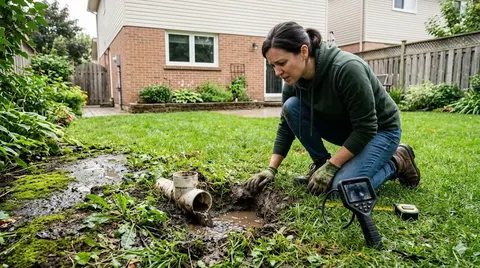
Recurring clogs in the same location, particularly after attempting DIY solutions, often signal underlying problems that need professional diagnosis. Tree root intrusion, pipe damage, or significant buildup in main lines requires specialized equipment and techniques beyond typical homeowner capabilities. Sewage odors, water appearing in unexpected locations, or gurgling sounds from multiple drains simultaneously indicate serious system problems requiring immediate professional attention.
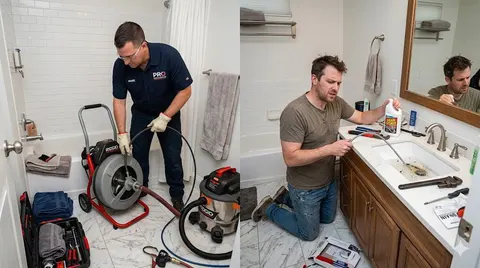
Benefits of professional help for prevention extend far beyond emergency repairs. Professional plumbers possess specialized equipment for thorough drain cleaning that removes accumulated buildup impossible to address with household methods. High-pressure water jetting, professional-grade augers, and video inspection capabilities allow comprehensive system cleaning and problem identification.
Regular professional maintenance helps property owners understand their specific system characteristics, identify potential problem areas, and develop customized prevention strategies. Professional technicians can recommend appropriate maintenance schedules, suggest system improvements, and provide early warning of developing issues before they become emergencies.
Professional services also provide peace of mind for property managers overseeing multiple units or homeowners with older plumbing systems. Establishing relationships with reliable plumbing professionals ensures quick response times when problems do occur and access to expert advice for ongoing maintenance decisions.
Conclusion
Mastering how to prevent clogged drains requires combining consistent daily habits, regular maintenance routines, and professional oversight to maintain optimal plumbing system performance. The comprehensive strategies outlined in this guide provide property owners with practical tools for avoiding costly emergency repairs while ensuring reliable drainage throughout their properties.
Effective prevention starts with understanding common causes of clogs and implementing targeted strategies for different areas of your property. Kitchen drain care focuses on proper grease disposal and food particle management, while bathroom plumbing tips emphasize hair removal and soap scum prevention. Consistent application of these area-specific approaches significantly reduces the likelihood of developing serious blockages.
Regular maintenance practices, including weekly hot water flushes, monthly natural cleaning treatments, and proper use of drain screens, create multiple layers of protection against accumulating debris. These simple routines, when performed consistently, prevent minor buildup from developing into major problems requiring emergency intervention.
Recognizing early warning signs of developing clogs allows prompt action before problems escalate. Water backing up, gurgling sounds, and slow drainage indicate the need for immediate attention, whether through enhanced DIY efforts or professional consultation. Understanding when to seek professional help protects against costly damage and ensures proper problem resolution.
The investment in preventive maintenance pays significant dividends through reduced emergency service calls, extended plumbing system lifespan, and improved property value. Property managers and homeowners who implement comprehensive prevention strategies enjoy greater peace of mind and lower long-term maintenance costs.
For professional assistance with drain cleaning, plumbing maintenance, or emergency services, contact K and K Plumbing Ohio at 330-875-8003. Our experienced team provides comprehensive plumbing solutions, from routine maintenance to emergency repairs, helping property owners maintain healthy drainage systems year-round. Visit https://kandkplumbingoh.com/ to learn more about our services and schedule your consultation today.
Have a question about this topic? Contact K & K Plumbing or call 330-875-8003 for a free estimate.