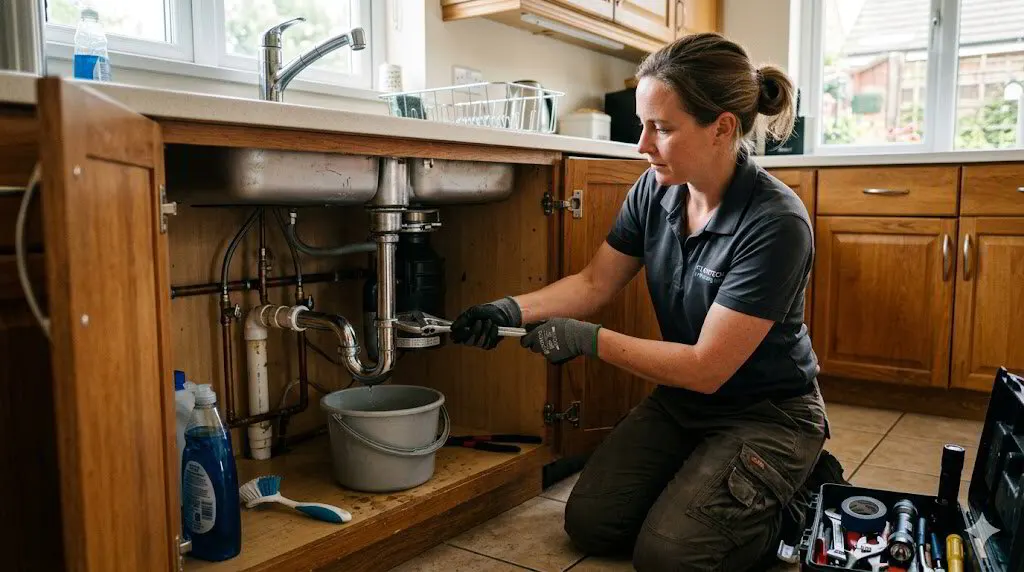
When it comes to maintaining your property, few systems are as critical—or as overlooked—as your plumbing. Whether you're a homeowner protecting your family's comfort, a landlord safeguarding your investment, or a property manager overseeing multiple units, understanding proper plumbing upkeep can save you thousands of dollars and countless headaches.
Most plumbing disasters don't happen overnight. They develop gradually through neglect, minor issues that compound over time, and the absence of preventive plumbing measures. A small leak behind a wall can cause extensive water damage, while a neglected water heater can fail catastrophically, flooding your basement and leaving you without hot water for days.
The good news? Most plumbing problems are entirely preventable with the right approach to maintenance. By implementing essential plumbing maintenance tips and establishing a consistent routine, you can extend the life of your plumbing system, maintain optimal water pressure and quality, and avoid the stress and expense of emergency repairs. This comprehensive guide will walk you through essential maintenance strategies that every property owner should know, from simple DIY tasks you can perform monthly to seasonal preparations that protect your investment year-round.
Routine Maintenance Tips for Homeowners
Establishing a regular maintenance routine forms the foundation of effective plumbing care. These monthly and quarterly tasks require minimal time investment but deliver significant long-term benefits for your plumbing system's performance and longevity.
Monthly Inspection and Maintenance Tasks
Faucet and Fixture Leak Detection: Examine all faucets, showerheads, and visible pipes for signs of leaking. Even minor drips can waste hundreds of gallons annually and indicate worn washers or seals that need replacement. Check under sinks, around toilet bases, and behind appliances for moisture or water stains.
Toilet Performance Monitoring: Test each toilet for running water by listening for continuous sounds after flushing. Remove toilet tank lids and ensure the flapper seals properly against the valve seat. Check that the chain connecting the flush handle to the flapper has appropriate slack—too tight prevents proper sealing, while too loose prevents complete opening.
Water Pressure Assessment: Test water pressure at multiple fixtures simultaneously. Decreased pressure may indicate mineral buildup, hidden leaks, or developing blockages that require attention before they become major issues.
Quarterly Deep Maintenance Activities
Showerhead and Aerator Cleaning: Remove mineral deposits that reduce water flow and pressure. Unscrew aerators from faucets and showerheads, then soak them in white vinegar overnight. For fixed showerheads, fill a plastic bag with vinegar, secure it around the showerhead with a rubber band, and let it soak. This simple preventive plumbing measure maintains optimal water flow and prevents costly replacements.
Water Heater Maintenance: Drain several gallons from your water heater's bottom valve to remove sediment buildup. Check the temperature setting—120°F provides adequate hot water while preventing scalding and reducing energy costs. Inspect the area around your water heater for signs of leaks, corrosion, or unusual noises that might indicate developing problems.
Garbage Disposal Care: Clean your disposal by grinding ice cubes to sharpen blades and remove buildup, followed by citrus peels to eliminate odors. Never put grease, fibrous vegetables, or non-food items down the disposal, as these can cause clogs and mechanical damage.
These routine tasks, when performed consistently, prevent the majority of common plumbing issues and help you identify potential problems before they require emergency intervention.
Seasonal Plumbing Maintenance Checklist
Seasonal maintenance addresses the unique challenges each time of year presents to your plumbing system. By adapting your approach to seasonal conditions, you protect your pipes from weather-related damage and ensure optimal performance year-round.
Fall Preparation: Winterizing Your Plumbing
Outdoor Plumbing Protection: Disconnect and drain all garden hoses, then shut off water supply to outdoor spigots. Insulate exposed pipes in unheated areas like basements, crawl spaces, and garages using foam pipe insulation or heat tape. Clean gutters and downspouts to prevent ice dams that can cause water backup and pipe damage.
Indoor System Preparation: Test your home's heating system to ensure consistent temperatures throughout the house. Seal air leaks around pipes in exterior walls, and consider upgrading insulation in areas where pipes are vulnerable to freezing. Schedule professional drain cleaning to remove any buildup before winter when repairs become more challenging.
Winter Vigilance: Preventing Frozen Pipes
Temperature Monitoring: Maintain indoor temperatures above 55°F, even when traveling. Open cabinet doors under sinks during extreme cold to allow warm air circulation around pipes. Let faucets drip slightly during freezing weather—moving water is less likely to freeze than standing water.
Emergency Preparedness: Know the location of your main water shut-off valve and keep it accessible. Stock emergency supplies including a pipe thawing device, waterproof tape, and contact information for emergency plumbing services.
Spring Recovery: Post-Winter Inspection
Comprehensive System Check: Inspect all visible pipes for cracks, leaks, or damage from freezing. Test outdoor spigots by turning them on fully—if water flow seems restricted, pipes may have suffered freeze damage. Check your water heater for any signs of stress from increased winter usage.
Drain Maintenance: Spring is ideal for thorough drain cleaning, as winter debris and reduced usage can cause buildup. Clean floor drains in basements and utility rooms, and ensure sump pumps function properly before spring rains arrive.
Summer Optimization: Outdoor Plumbing Upkeep
Irrigation and Outdoor Systems: Inspect sprinkler systems for broken heads, leaks, or misaligned spray patterns. Check outdoor faucets and hose connections for wear. Monitor water usage during peak summer months to identify leaks or inefficient fixtures.
Vacation Preparation: Before extended summer travel, shut off the main water supply and drain the system if you'll be away for more than a week. Set water heater to vacation mode to save energy while maintaining the system.
Emergency Plumbing Situations and Maintenance
Understanding how to recognize and respond to plumbing emergencies can minimize damage and costs while keeping your family safe. Proper emergency preparedness combines immediate response techniques with knowledge of when professional intervention becomes necessary.
Recognizing Early Warning Signs
Water Pressure Changes: Sudden drops in water pressure throughout the house often indicate major leaks or pipe damage. Isolated pressure loss at single fixtures typically suggests localized clogs or fixture problems. Monitor pressure changes during peak usage times—consistent low pressure may indicate undersized pipes or system-wide issues requiring professional assessment.
Unusual Sounds and Odors: Gurgling sounds from drains suggest developing blockages or venting problems. Hammering noises when turning off faucets indicate water hammer that can damage pipes over time. Sewage odors inside the house signal potential sewer line problems or trap failures that require immediate attention.
Water Quality Changes: Discolored water, unusual tastes, or odors can indicate pipe corrosion, contamination, or system failures. Rusty water suggests aging pipes, while cloudy water might indicate air in lines or pressure issues.
Immediate Response Strategies
Water Shut-off Procedures: Learn the location of individual fixture shut-offs and your main water supply valve. In major emergencies, shutting off water quickly can prevent thousands of dollars in damage. Label shut-off valves clearly and ensure they remain accessible and functional.
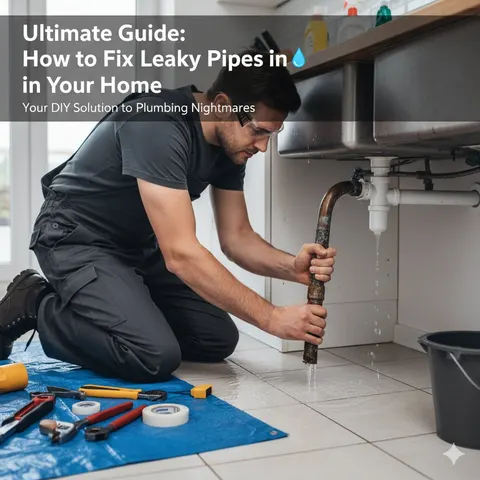
Temporary Leak Management: For minor leaks, apply waterproof tape or pipe clamps as temporary solutions while arranging professional repairs. Never ignore small leaks—they typically worsen rapidly and can cause extensive hidden damage.
Drain Blockage Response: For clogged drains, try plunging before using chemical drain cleaners, which can damage pipes and create hazardous conditions. Remove visible debris and avoid forcing clogs deeper into the system.
Professional Intervention Guidelines
When to Call Emergency Plumbing Services: Contact professionals immediately for burst pipes, sewage backups, no hot water in winter, or any situation involving electrical hazards near water. Gas water heater problems, major leaks, and sewer line issues require professional expertise and specialized equipment.
Emergency Plumbing Tips for Communication: When calling for emergency service, provide specific details about the problem, location, and any steps you've already taken. Clear communication helps technicians arrive prepared with appropriate tools and parts.
Damage Mitigation: While waiting for professional help, remove valuables from affected areas, take photos for insurance purposes, and ventilate areas to prevent mold growth. Document the timeline of events and any temporary measures you've implemented.
Understanding these emergency protocols, combined with regular maintenance, significantly reduces the likelihood of catastrophic plumbing failures and ensures you're prepared when problems do occur.
The Role of Professional Plumbing Services in Maintenance
While DIY plumbing repair and basic maintenance tasks provide significant value, professional plumbing services offer expertise, equipment, and warranties that extend far beyond typical homeowner capabilities. Understanding when and how to leverage professional services maximizes your maintenance investment and ensures long-term system reliability.
Comprehensive Professional Inspections
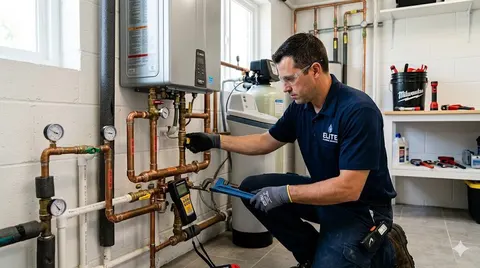
Professional plumbers utilize advanced diagnostic equipment to identify issues invisible to untrained eyes. Video camera inspections reveal internal pipe conditions, locating blockages, cracks, and root intrusions without excavation. Pressure testing identifies weak points in your system before they fail catastrophically. These thorough assessments provide detailed maintenance roadmaps that prioritize repairs based on urgency and cost-effectiveness.
Professional inspections also evaluate code compliance, especially important for landlords and property managers who must meet safety standards. Experienced technicians recognize signs of improper installations, outdated materials, and potential safety hazards that could create liability issues or insurance complications.
Preventive Service Programs
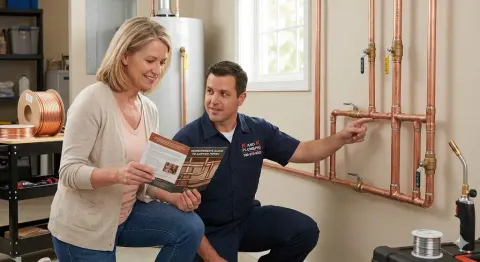
Many professional plumbing companies offer maintenance contracts that provide regular inspections, priority service scheduling, and discounted repair rates. These programs typically include annual system evaluations, water heater maintenance, drain cleaning, and seasonal preparations. For property management plumbing needs, such contracts ensure consistent service quality across multiple properties while simplifying budgeting and scheduling.
Professional maintenance often identifies minor issues during routine visits, addressing them before they become expensive emergencies. This proactive approach significantly reduces the total cost of ownership for plumbing systems while minimizing tenant complaints and vacancy periods.
Specialized Equipment and Expertise
Professional plumbers possess specialized tools for tasks beyond DIY capabilities. High-pressure water jetting removes stubborn blockages and buildup that simple snaking cannot address. Professional-grade leak detection equipment locates hidden leaks without destructive investigation. Advanced pipe repair techniques, including trenchless sewer line repair, solve major problems with minimal property disruption.
Professional expertise becomes particularly valuable for complex systems, older properties, and commercial applications. Experienced plumbers understand how different pipe materials age, interact, and fail, enabling them to recommend appropriate maintenance strategies and upgrade timing.
Emergency Response and Reliability
Established professional services provide reliable emergency response when maintenance efforts cannot prevent problems. Having a relationship with a trusted plumbing company ensures faster response times, familiar technicians who understand your property's unique characteristics, and consistent service quality during stressful situations.
Professional services also provide warranties on their work, offering protection and recourse if problems recur. This accountability factor provides peace of mind that DIY repairs cannot match, particularly for expensive or complex repairs.
Cost-Effective Plumbing Maintenance Strategies
Smart property owners balance maintenance costs with long-term savings by implementing strategic approaches to plumbing upkeep. Understanding where to invest your maintenance budget and when to choose professional services over DIY approaches maximizes your return on investment while protecting your property value.
Budget Planning for Plumbing Maintenance
Allocate 1-3% of your property value annually for all maintenance, with plumbing representing roughly 10-15% of that budget. For a $200,000 home, expect to spend $200-600 annually on plumbing maintenance and minor repairs. This proactive investment typically prevents major failures that can cost thousands in emergency repairs and water damage restoration.
Create separate budget categories for routine maintenance, seasonal preparations, and emergency reserves. Regular maintenance costs remain relatively predictable, while emergency funds should cover at least one major repair annually. Property managers should multiply these figures by the number of units and add contingencies for older buildings or properties with known issues.
DIY vs. Professional Service Decisions
Handle routine tasks like aerator cleaning, minor leak detection, and basic toilet adjustments yourself. These simple maintenance activities require minimal tools and carry low risk of causing additional damage. However, recognize the limits of DIY approaches—attempting complex repairs without proper knowledge often creates more expensive problems.
Professional services provide better value for water heater maintenance, main line cleaning, and any work involving gas lines or electrical connections. The cost of professional service typically proves less expensive than repairing damage caused by improper DIY attempts, especially considering the time value of repeated trips to hardware stores and rental equipment costs.
Long-term Investment Strategies
Preventive plumbing measures consistently deliver exceptional returns on investment. Annual professional drain cleaning costs $150-300 but prevents thousands in emergency repairs and water damage. Regular water heater maintenance extends equipment life by 3-5 years, saving $1,500-3,000 in premature replacement costs.
Consider upgrading older fixtures and pipes proactively rather than waiting for failures. Modern, efficient fixtures reduce water consumption while providing better performance and reliability. Strategic upgrades during routine maintenance cost significantly less than emergency replacements and often qualify for utility rebates or tax incentives.
Quality maintenance investments also protect property values and marketability. Well-maintained plumbing systems reduce buyer concerns during sales and minimize vacancy periods for rental properties. Document all maintenance activities to demonstrate proper care and justify premium pricing when selling or renting your property.
Conclusion: Investing in Plumbing Maintenance
Effective plumbing maintenance represents one of the smartest investments property owners can make. The comprehensive plumbing maintenance tips outlined in this guide provide a roadmap for protecting your property, reducing emergency repair costs, and ensuring reliable system performance for years to come. From simple monthly inspections to seasonal preparations and professional service partnerships, each element of a complete maintenance strategy contributes to long-term success.
The comparison between proactive maintenance and reactive repairs consistently favors prevention. While routine upkeep requires ongoing attention and modest investment, emergency repairs demand immediate, expensive responses that often occur at the worst possible times. Property owners who implement these preventive plumbing strategies typically save 60-80% compared to those who rely solely on emergency services.
Remember that plumbing maintenance isn't just about avoiding problems—it's about optimizing performance, extending equipment life, and maintaining property value. Whether you're protecting a family home, managing rental properties, or overseeing commercial facilities, these maintenance principles provide the foundation for reliable, efficient plumbing systems that serve your needs effectively while protecting your investment.
Ready to implement a professional maintenance program for your property? Contact K and K Plumbing Ohio at 330-875-8003 to schedule a comprehensive plumbing inspection and develop a customized maintenance plan. Our experienced team provides reliable service, transparent pricing, and long-term solutions that protect your investment. Visit https://kandkplumbingoh.com/ to learn more about our comprehensive plumbing services and emergency support options.
Have a question about this topic? Contact K & K Plumbing or call 330-875-8003 for a free estimate.