Introduction
When it comes to your home's plumbing system, the materials you choose can significantly impact performance, longevity, and overall value. The network of pipes running through your walls and beneath your floors represents a substantial investment that affects everything from water quality to energy efficiency. While modern construction offers various piping options, including PVC, PEX, and galvanized steel, copper piping continues to stand out as a premium choice for discerning homeowners.
Understanding the benefits of copper piping installation becomes crucial when planning new construction, major renovations, or replacing aging plumbing systems. The decision you make today will influence your home's functionality for decades to come. Copper pipes have earned their reputation through proven performance in residential and commercial applications worldwide. Their unique properties offer advantages that extend beyond basic water delivery, encompassing health benefits, environmental considerations, and long-term cost savings.
Whether you're a homeowner planning a bathroom remodel, a landlord upgrading rental properties, or a small business owner considering plumbing infrastructure improvements, making informed decisions about piping materials requires comprehensive knowledge. This guide will explore why copper piping installation continues to be the gold standard in professional plumbing applications and how it can benefit your specific situation.
What is Copper Piping?
Copper piping represents one of the most reliable and time-tested materials in the plumbing industry. These pipes are manufactured from pure copper metal, which is naturally antimicrobial and highly malleable, making it ideal for water distribution systems. The material's inherent properties allow for easy shaping and joining, while maintaining structural integrity under various pressure conditions.
The plumbing industry utilizes several distinct types of copper pipes, each designed for specific applications and pressure requirements. Type M copper pipe features the thinnest walls and is commonly used in residential applications where water pressure remains moderate. Type L copper pipe offers medium wall thickness, making it suitable for both residential and light commercial use, particularly in areas requiring higher pressure tolerance. Type K copper pipe provides the thickest walls and maximum durability, typically reserved for underground installations and heavy-duty commercial applications.
Type ACR (Air Conditioning and Refrigeration) copper represents a specialized category designed for HVAC systems, featuring dehydrated and sealed construction to prevent contamination. Hard copper pipes come in straight lengths and require soldering for connections, while soft copper pipes are available in coils and can be bent around obstacles without additional fittings.
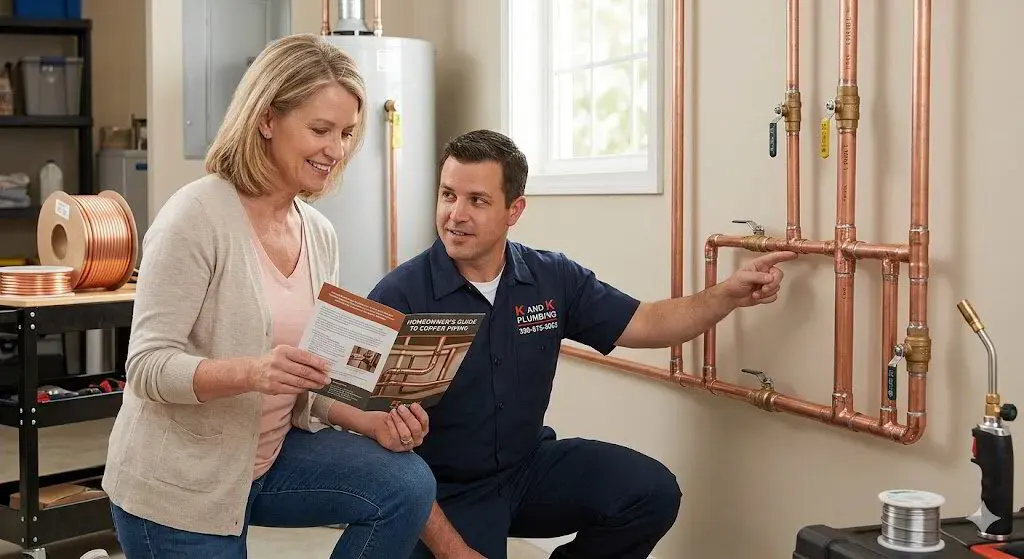
Common applications for copper piping include hot and cold water supply lines, radiant heating systems, and gas lines in residential and commercial buildings. The material's versatility extends to both indoor and outdoor installations, though specific types are recommended based on environmental conditions and local building codes. Professional plumbers often prefer copper for its predictable behavior during installation and its compatibility with various fitting types, including compression, soldered, and push-fit connections.
The manufacturing process ensures consistent quality and dimensional accuracy, making copper pipes reliable for professional installations. This consistency translates to fewer surprises during installation and more predictable long-term performance.
Advantages of Copper Piping Installation
Durability and Longevity
The durability of copper pipes stands as one of their most compelling advantages, with properly installed systems lasting 50 to 70 years or more. This exceptional lifespan significantly exceeds many alternative materials, making copper an investment in your property's long-term value. The material's natural strength allows it to withstand temperature fluctuations, water pressure variations, and normal settling of building structures without compromising integrity.
Copper's molecular structure provides inherent resistance to cracking and splitting, even under extreme temperature conditions. Unlike plastic alternatives that can become brittle over time, copper maintains its flexibility and strength throughout decades of service. This durability translates to fewer emergency repairs, reduced maintenance costs, and greater peace of mind for property owners.
Corrosion Resistance
One of the most significant copper plumbing advantages lies in its superior corrosion resistance compared to iron or steel alternatives. While copper does develop a natural patina over time, this oxidation layer actually protects the underlying metal from further degradation. This self-protecting characteristic ensures consistent water flow and prevents the pipe deterioration that commonly affects other metallic materials.
The corrosion resistance of copper pipes means your water supply remains clean and free from rust particles or metallic tastes that can develop with aging iron pipes. This protection extends to both interior and exterior surfaces, making copper suitable for various water chemistry conditions found across different geographic regions.
Health Benefits
The health benefits of copper pipes represent a crucial consideration for families concerned about water quality. Copper naturally possesses antimicrobial properties that actively inhibit the growth of harmful bacteria, including E. coli and Legionella, within the plumbing system. This natural biocidal effect helps maintain cleaner water throughout the distribution network.
Unlike some plastic piping materials, copper does not leach chemicals into drinking water, even when exposed to hot temperatures. This chemical stability ensures that your family's drinking water remains pure and free from potentially harmful compounds that can migrate from certain synthetic materials over time.
Research has shown that trace amounts of copper in drinking water can actually provide health benefits, as copper is an essential mineral for human health. The levels naturally occurring from copper pipes fall well within safe drinking water standards while potentially contributing to daily nutritional needs.
Low Thermal Expansion
Copper's low thermal expansion coefficient provides significant advantages in plumbing installations. This property means copper pipes experience minimal dimensional changes when exposed to temperature variations, reducing stress on joints and connections. The stability helps prevent leaks and joint failures that can occur with materials that expand and contract significantly.
This thermal stability proves particularly valuable in hot water applications, where temperature cycling occurs regularly. The consistent dimensions help maintain tight seals and reduce the likelihood of connection failures over time.
Ease of Installation
Professional plumbers appreciate copper piping for its workability and installation characteristics. The material can be easily cut, shaped, and joined using standard plumbing tools and techniques. Soldered connections create permanent, leak-proof joints that provide decades of reliable service when properly installed.
The predictable behavior of copper during installation reduces surprises and allows for precise fitting. This reliability translates to faster installation times and reduced labor costs when working with experienced professionals who understand the material's characteristics.
Cost Considerations for Copper Piping
Understanding copper pipe installation cost requires examining both immediate expenses and long-term financial implications. While copper typically commands a higher initial investment compared to plastic alternatives like PVC or PEX, the total cost of ownership often favors copper over extended periods. The upfront material costs reflect copper's superior properties and manufacturing requirements, but this investment pays dividends through reduced maintenance, fewer repairs, and extended service life.
Initial installation costs for copper piping include materials, fittings, and professional labor. Copper pipes themselves cost more per linear foot than plastic alternatives, and the soldering process requires skilled technicians with specialized tools. However, the installation process, while requiring expertise, proceeds efficiently with experienced professionals, helping control labor expenses.
Long-term savings emerge through copper's exceptional durability and minimal maintenance requirements. While a PVC system might require replacement or significant repairs within 20-30 years, copper installations often function reliably for 50-70 years. This longevity means homeowners avoid the disruption and expense of major plumbing overhauls during their ownership period.
Comparing copper vs PVC piping reveals interesting cost dynamics. PVC offers lower initial costs but may require more frequent repairs and eventual replacement. Copper's higher upfront investment spreads across decades of service, often resulting in lower annual costs when calculated over the system's entire lifespan. Additionally, copper installations can increase property values, as many buyers recognize the quality and reliability associated with copper plumbing systems.
Several factors influence installation costs, including home size, complexity of the plumbing layout, local labor rates, and accessibility of installation areas. Homes requiring extensive retrofitting or those with challenging architectural features may see higher labor costs regardless of material choice. However, copper's workability often allows skilled plumbers to navigate complex installations efficiently, helping manage overall project expenses.
Environmental Impact of Copper Piping
Copper piping represents one of the most sustainable plumbing options available to environmentally conscious property owners. The material's environmental benefits extend throughout its entire lifecycle, from initial production through decades of service to eventual recycling. Understanding these environmental advantages helps property owners make informed decisions that align with sustainability goals.
The recyclability of copper stands as perhaps its most significant environmental advantage. Copper maintains its properties indefinitely through recycling processes, meaning today's pipes can become tomorrow's plumbing materials without quality degradation. This closed-loop recycling potential dramatically reduces the environmental impact of copper plumbing systems over time. The recycling process requires significantly less energy than primary copper production, further enhancing the material's environmental profile.
Current recycling rates for copper exceed 90% in many developed countries, demonstrating the material's value retention and environmental responsibility. When copper plumbing systems eventually require replacement, the recovered material commands substantial recycling value, offsetting some replacement costs while diverting waste from landfills.
Energy efficiency considerations throughout copper's lifecycle reveal additional environmental benefits. While initial copper production requires significant energy input, the material's exceptional longevity means this energy investment is amortized over 50-70 years of service. This extended service life reduces the frequency of replacement cycles, minimizing the environmental impact per year of service.
Copper's impact on water quality provides indirect environmental benefits by reducing the need for additional water treatment or filtration systems. The material's natural antimicrobial properties help maintain water quality throughout the distribution system, potentially reducing reliance on chemical treatments or energy-intensive purification methods.
The material's thermal conductivity can contribute to energy efficiency in hot water systems, as copper pipes transfer heat more effectively than plastic alternatives. This efficiency can reduce energy consumption in water heating applications, contributing to lower overall environmental impact.
Maintenance of Copper Pipes
Proper maintenance of copper pipes ensures optimal performance throughout their extended service life while maximizing your investment in quality plumbing infrastructure. While copper systems require less maintenance than many alternatives, understanding proper care techniques helps prevent issues and extends system longevity.
Regular maintenance begins with periodic visual inspections of accessible copper pipes and fittings. Look for signs of corrosion, particularly green or blue discoloration that might indicate water leaks or excessive moisture exposure. Check joints and connections for any signs of water seepage, as early detection prevents minor issues from becoming major problems.
Water quality monitoring plays a crucial role in copper pipe maintenance. Extremely acidic or alkaline water conditions can accelerate copper corrosion, so testing your water's pH levels helps identify potential concerns. If water chemistry issues exist, appropriate treatment systems can protect your copper investment while ensuring optimal performance.
Temperature considerations affect copper pipe longevity, particularly in systems experiencing extreme temperature fluctuations. Insulating pipes in unconditioned spaces protects against freezing while reducing thermal stress that can affect joints over time. Proper insulation also improves energy efficiency in hot water applications.
Signs of wear or damage requiring professional attention include persistent water discoloration, unusual tastes or odors, reduced water pressure, or visible corrosion at joints and fittings. While minor surface oxidation is normal and protective, extensive corrosion or pinhole leaks indicate the need for professional evaluation.
When to call a professional depends on the complexity and location of potential issues. While homeowners can perform basic visual inspections and water quality testing, any suspected leaks, pressure problems, or installation modifications require professional expertise. Licensed plumbers have the tools and experience to properly diagnose copper pipe issues and implement appropriate solutions.
Professional maintenance services can include system pressure testing, joint inspection, and preventive measures to address minor concerns before they develop into costly problems. Regular professional evaluations help ensure your copper plumbing system continues delivering reliable performance throughout its expected service life.
Conclusion and Final Thoughts
The benefits of copper piping installation extend far beyond basic water delivery, encompassing durability, health advantages, environmental responsibility, and long-term value. Throughout this comprehensive guide, we've explored how copper's unique properties make it an exceptional choice for homeowners, landlords, and business owners seeking reliable plumbing solutions.
Copper's proven track record of 50-70 years of dependable service, combined with its natural antimicrobial properties and superior corrosion resistance, positions it as a premium investment in your property's infrastructure. While initial costs may exceed plastic alternatives, the long-term benefits of reduced maintenance, fewer repairs, and extended service life often result in superior value over the system's lifetime.
The environmental advantages of copper piping, including its exceptional recyclability and sustainable lifecycle, align with growing awareness of environmental responsibility in construction and renovation projects. These factors, combined with copper's positive impact on water quality and system efficiency, make it an intelligent choice for forward-thinking property owners.
For those considering plumbing upgrades, new construction, or system replacements, copper piping installation represents a wise investment in quality, reliability, and peace of mind.
Ready to experience the benefits of copper piping installation in your home or business?
Contact K and K Plumbing today for a professional consultation and discover how our expert installation services can enhance your property's plumbing system. Call us at 330-875-8003 or visit kandkplumbingoh.com to schedule your appointment. Our experienced team provides trustworthy, timely, and affordable plumbing solutions tailored to your specific needs.
Have a question about this topic? Contact K & K Plumbing or call 330-875-8003 for a free estimate.