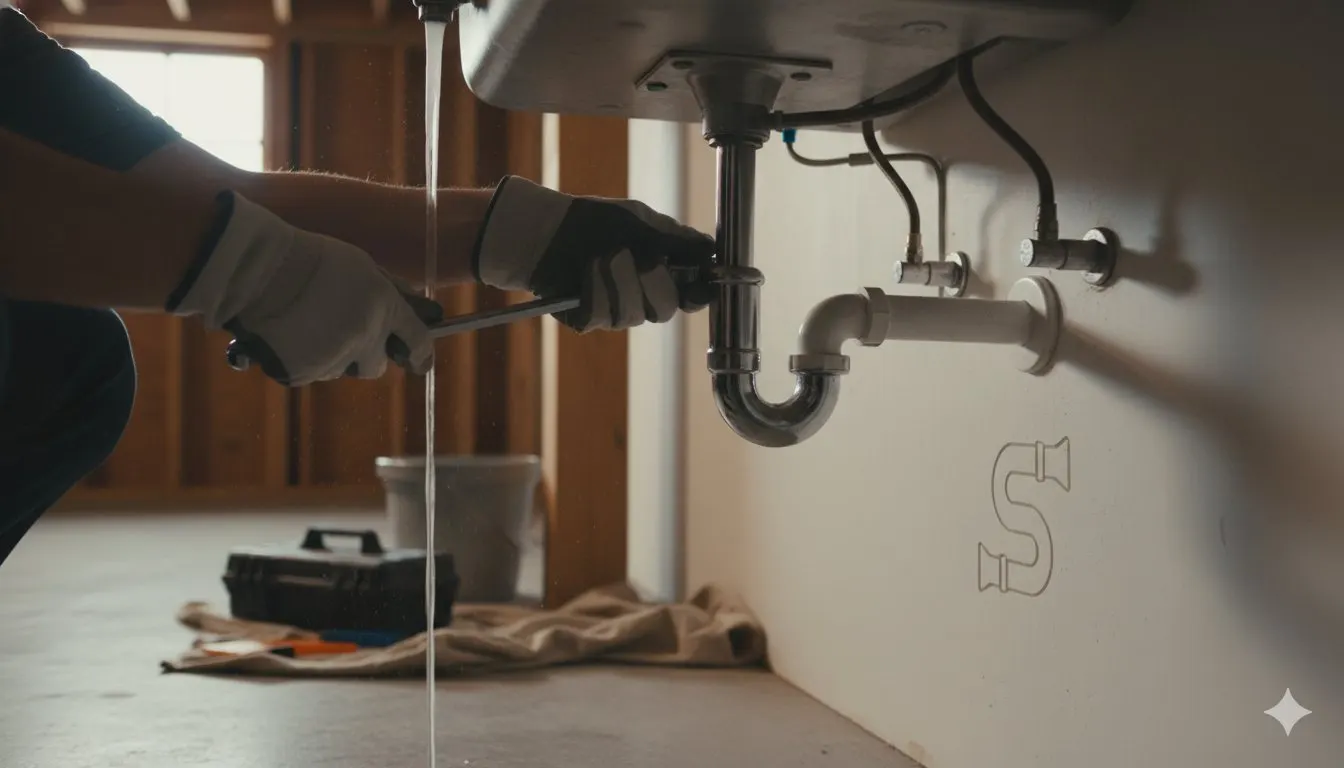
Homeowners in Stark County face unique plumbing challenges that require proactive maintenance and professional expertise. From the harsh Ohio winters that can freeze pipes to the aging infrastructure in many neighborhoods, understanding your home's plumbing system is essential for maintaining property value and preventing costly repairs. The fluctuating temperatures throughout the year can cause pipes to expand and contract, leading to joint failures and potential water damage that could cost thousands of dollars if left unaddressed.
Common plumbing issues in our region include burst pipes during winter months, clogged drains from seasonal debris, and water heater failures due to hard water mineral buildup. These problems don't just inconvenience families; they can significantly impact your home's market value and create health hazards if not properly managed. Professional plumbers in Stark County understand these regional challenges and can provide targeted solutions that address both immediate concerns and long-term prevention strategies.
At K and K Plumbing Ohio, we've served local homeowners for years, witnessing firsthand how proper maintenance and timely repairs can save families from major plumbing disasters. Our comprehensive services, including emergency plumbing, drain cleaning, water heater installation, and leak detection, are designed to keep your home's plumbing system functioning optimally year-round. These essential Stark County plumbing tips for homeowners will help you maintain your investment and ensure your family's comfort and safety.
Regular Plumbing Maintenance Tips
Implementing consistent plumbing maintenance tips throughout the year is the most effective way to prevent major plumbing emergencies and extend the lifespan of your system. Regular maintenance not only saves money on costly repairs but also ensures your family has reliable access to clean water and proper drainage when you need it most.
Importance of Routine Inspections
Schedule monthly visual inspections of all visible plumbing components, including pipes under sinks, around toilets, and in basements or crawl spaces. Look for signs of corrosion, mineral buildup, or unusual discoloration that might indicate developing problems. Check pipe joints and connections for any moisture or white, chalky residue that suggests slow leaks. Document any changes you notice with photos and dates, creating a maintenance log that can help professional plumbers identify patterns or recurring issues.
Seasonal inspections should focus on weather-related concerns. Before winter, ensure all outdoor faucets are properly winterized and check that pipes in unheated areas have adequate insulation. Spring inspections should verify that winter hasn't caused any freeze damage, while summer checks can focus on increased usage areas like outdoor irrigation systems.
How to Check for Leaks
Effective leak detection tips start with understanding your water meter and monitoring usage patterns. Turn off all water sources in your home and check if the meter continues running, which indicates a hidden leak somewhere in your system. Small leaks can waste hundreds of gallons monthly, significantly increasing utility bills while potentially causing structural damage over time.
Inspect toilet tanks by adding food coloring to the tank water; if color appears in the bowl without flushing, the flapper valve needs replacement. Check faucet aerators and showerheads for mineral buildup that can cause inefficient water flow and internal component wear. Listen for unusual sounds like running water when fixtures aren't in use, which often indicates internal leaks within walls or underground pipes.
Tips for Maintaining Water Heaters
Water heater maintenance involves several critical tasks that homeowners can perform safely. Drain and flush your water heater annually to remove sediment buildup that reduces efficiency and shortens equipment lifespan. This process involves connecting a garden hose to the drain valve and allowing several tank volumes to flow out until the water runs clear.
Test the temperature and pressure relief valve every six months by lifting the lever briefly to ensure proper operation. This safety device prevents dangerous pressure buildup that could cause tank rupture. Check the anode rod every two to three years, as this component protects the tank from corrosion and typically needs replacement when more than six inches of the core wire is exposed.
Monitor water temperature settings, keeping them between 120-140 degrees Fahrenheit for optimal efficiency and safety. Higher temperatures waste energy and can cause scalding, while lower temperatures may not provide adequate hot water for household needs and could allow harmful bacteria growth.
Scheduling Professional Inspections
Professional plumbers in Stark County recommend annual comprehensive inspections that go beyond what homeowners can safely perform themselves. These inspections include pressure testing, sewer line camera inspections, and detailed assessments of water heater internal components. Professional equipment can detect problems invisible to homeowners, such as developing clogs in main sewer lines or early-stage pipe corrosion within walls.
Schedule these inspections during moderate weather months when emergency plumbing services are less in demand, potentially saving money and ensuring faster service. Professional inspections should include written reports documenting current system condition and recommendations for preventive maintenance or necessary repairs, helping you budget for future plumbing needs.
Emergency Plumbing Situations
Understanding how to respond to plumbing emergencies can minimize property damage and protect your family's safety while waiting for professional emergency plumbing services. Quick, appropriate action during the first few minutes of a plumbing emergency often determines whether you face minor inconvenience or major property damage requiring extensive restoration work.
How to Handle Common Plumbing Emergencies
- Burst Pipe Response: Immediately shut off the main water supply to prevent flooding, then turn on faucets to drain remaining water from the system. Move furniture and valuables away from the affected area and begin removing standing water with towels or a wet vacuum. Take photos for insurance documentation before making temporary repairs with pipe clamps or rubber patches.
- Overflowing Toilet: Stop the overflow by removing the toilet tank lid and pushing the flapper down to seal the flush valve. If water continues rising, shut off the toilet's water supply valve located behind the base. Never use chemical drain cleaners in toilets, as they can damage porcelain and plumbing components while creating hazardous conditions.
- Sewer Backup: Avoid contact with contaminated water and immediately stop using all water fixtures in your home. Open windows for ventilation and turn off electricity to affected areas if water has reached electrical outlets. Sewer backups require professional cleanup due to health hazards from bacteria and other contaminants.
- Water Heater Leaks: Turn off power to electric water heaters at the circuit breaker, or set gas water heaters to pilot mode. Shut off the water supply valve at the top of the tank and begin draining the unit if the leak is significant. Never attempt repairs on gas water heaters yourself due to safety risks.
What Tools to Have on Hand
Every homeowner should maintain a basic plumbing emergency kit containing essential tools and supplies for temporary repairs. Include adjustable wrenches in multiple sizes, pipe wrenches, plungers for toilets and sinks, and a drain snake for minor clogs. Stock waterproof tape, pipe clamps, rubber patches, and plumber's putty for temporary leak repairs.
Keep the main water shut-off valve location clearly marked and ensure all family members know how to operate it quickly. Store emergency supplies in an easily accessible location and check expiration dates on products like plumber's putty annually. Include a flashlight and batteries, as plumbing emergencies often occur during power outages or in dark areas like basements.
When to Call for Professional Help
Contact emergency plumbing services immediately for gas leaks, sewer backups, or any situation involving contaminated water. Major pipe bursts, complete drain blockages affecting multiple fixtures, and water heater failures also require professional intervention to prevent property damage and ensure safe repairs.
Don't attempt DIY repairs on gas lines, main sewer connections, or complex water heater issues. These systems require specialized knowledge and tools, and improper repairs can create serious safety hazards or violate local building codes. Professional plumbers carry insurance and warranties that protect homeowners from liability and ensure quality repairs that
prevent recurring problems.
Understanding Your Plumbing System
Knowledge of your home's plumbing system empowers you to make informed decisions about maintenance, repairs, and upgrades while helping you communicate effectively with professional contractors. Understanding basic components and their functions enables early problem identification and prevents minor issues from becoming major emergencies.
Basic Plumbing Components and Their Functions
Your home's plumbing system consists of two primary networks: the water supply system that brings clean water into your home, and the drainage system that removes wastewater. The supply system operates under pressure, using pipes that branch throughout your home to deliver water to fixtures like sinks, toilets, and appliances. These pipes are typically made of copper, PVC, or newer materials like PEX, each with different lifespans and maintenance requirements.
The drainage system relies on gravity and proper venting to remove wastewater efficiently.
Drain pipes slope downward toward the main sewer line, while vent pipes allow air to enter the system and prevent vacuum conditions that could slow drainage. Traps under fixtures maintain water seals that prevent sewer gases from entering your home, and cleanout access points allow professional plumbers to clear blockages.
Water meters, main shut-off valves, and pressure regulators control water flow and pressure throughout your system. Understanding these components' locations and functions helps during emergencies and routine maintenance. Your water heater, whether tank-style or tankless, requires specific maintenance procedures and safety considerations that affect the entire hot water distribution network.
Common Plumbing Issues
Recognizing early signs of common problems helps prevent extensive damage and costly repairs. Slow drains often indicate developing clogs that can completely block pipes if ignored. Multiple fixtures draining slowly simultaneously suggests main sewer line problems requiring professional attention. Unusual sounds like gurgling from drains or running water when fixtures aren't in use indicate venting problems or hidden leaks.
Water pressure changes throughout your home can signal pipe corrosion, mineral buildup, or supply line problems. Discolored water, especially rust-colored or cloudy water, indicates pipe deterioration or water heater issues requiring immediate attention. Fluctuating water temperatures suggest water heater problems, mixing valve failures, or supply line issues affecting system performance.
How to Identify Potential Problems
Regular monitoring of water usage patterns helps identify developing problems before they become emergencies. Sudden increases in water bills often indicate hidden leaks, while decreased pressure at specific fixtures suggests localized problems. Keep notes about recurring issues, as patterns help professional plumbers diagnose underlying causes rather than just treating symptoms.
Visual inspections should include checking for water stains on ceilings or walls, which indicate leaks within the building structure. Monitor basement or crawl space areas for standing water or unusual moisture that could indicate slab leaks or foundation problems.
Pay attention to unusual odors, especially sewage smells that suggest drainage or venting problems requiring immediate professional attention.
Drain Cleaning Techniques
Effective drain maintenance prevents clogs and keeps wastewater flowing properly throughout your home's drainage system. Understanding proper drain cleaning tips helps you maintain your plumbing system while avoiding damage from inappropriate cleaning methods or harsh chemicals that can corrode pipes and create more serious problems.
Common Causes of Drain Clogs
Kitchen drains typically clog from grease, food particles, and soap buildup that accumulates over time. Grease solidifies in pipes, trapping other debris and creating stubborn blockages that require professional removal. Coffee grounds, eggshells, and fibrous vegetables should never enter drains, as they don't break down properly and contribute to clog formation.
Bathroom drains face different challenges, primarily from hair, soap scum, and personal care products. Hair combines with soap residue to form dense mats that completely block drain openings. Toothpaste, shaving cream, and cosmetic products contain ingredients that harden in pipes, creating surfaces where additional debris accumulates.
Laundry room drains handle lint, detergent residue, and occasionally small items from clothing pockets. Lint combines with soap to form paste-like substances that coat pipe walls and reduce flow capacity. Pet hair from washing pet bedding creates particularly stubborn clogs that often require professional removal.
DIY Drain Cleaning Methods
- Hot Water Flushing: Weekly hot water flushes help dissolve soap buildup and clear minor accumulations before they become problematic. Pour several gallons of hot (not boiling) water down drains in a steady stream to maximize cleaning action. This simple maintenance prevents many common clogs and costs nothing to perform regularly.
- Baking Soda and Vinegar: This natural cleaning combination breaks down organic matter and neutralizes odors without damaging pipes. Pour one cup of baking soda down the drain, followed by one cup of white vinegar. Cover the drain opening for 15 minutes, then flush with hot water. Repeat monthly for maintenance.
- Manual Removal: Use drain snakes or zip-it tools to physically remove hair and debris from accessible drain sections. These inexpensive tools effectively clear surface-level clogs without chemicals. Remove drain covers when possible to access trapped debris that simple flushing cannot reach.
- Plunging Technique: Proper plunging creates pressure changes that dislodge clogs effectively. Use cup plungers for sinks and flat-bottom plungers for toilets. Ensure adequate water coverage over the plunger cup and maintain steady, firm pressure rather than violent movements that could damage fixtures.
When to Seek Professional Drain Cleaning
Contact professional drain cleaning services when multiple fixtures drain slowly simultaneously, indicating main sewer line blockages beyond DIY capabilities. Recurring clogs that return shortly after clearing suggest deeper problems requiring professional equipment and expertise.
Chemical drain cleaners that fail to resolve clogs often indicate solid obstructions that need mechanical removal.
Sewage odors from drains suggest serious drainage or venting problems that pose health risks and require immediate professional attention. Standing water that won't drain despite attempted clearing indicates complete blockages that need professional equipment. Tree root infiltration in sewer lines requires specialized cutting tools and expertise that only professional plumbers possess.
Water Heater Maintenance and
Installation
Proper water heater maintenance extends equipment lifespan while ensuring reliable hot water delivery throughout your home. Understanding maintenance requirements and installation considerations helps you make informed decisions about this critical system component that affects daily comfort and property value.
Signs Your Water Heater Needs Maintenance
- Temperature Inconsistencies: Fluctuating water temperatures or insufficient hot water production indicate internal problems requiring attention. Mineral buildup on heating elements reduces efficiency and eventually causes complete failure. Thermostat malfunctions create temperature control problems that affect comfort and energy consumption.
- Unusual Sounds: Popping, crackling, or rumbling sounds from your water heater indicate sediment buildup that insulates heating elements and reduces efficiency. These sounds occur when water bubbles through accumulated minerals, creating noise and stress on tank components. Addressing sediment buildup early prevents premature equipment failure.
- Visible Corrosion: Rust or corrosion on the tank exterior, connections, or surrounding pipes indicates deteriorating components that need replacement. Internal corrosion creates metallic tastes in hot water and eventually leads to tank failure. Anode rod replacement can prevent further corrosion if caught early enough.
- Water Quality Issues: Discolored, metallic-tasting, or foul-smelling hot water indicates internal tank problems or anode rod failure. These issues affect water quality throughout your home and suggest immediate maintenance needs to prevent complete system failure.
Tips for Prolonging Water Heater Lifespan
Regular maintenance significantly extends water heater lifespan while maintaining optimal performance. Annual tank flushing removes sediment buildup that reduces efficiency and causes premature failure. Professional maintenance includes anode rod inspection and replacement, which protects the tank from internal corrosion.
Temperature settings between 120-140 degrees Fahrenheit optimize efficiency while preventing scalding and excessive mineral precipitation. Lower temperatures may allow bacteria growth, while higher temperatures waste energy and accelerate mineral buildup. Insulating older tanks and hot water pipes reduces heat loss and improves overall system efficiency.
Factors to Consider During Water Heater Installation
Proper sizing ensures adequate hot water supply while maximizing energy efficiency.
Professional plumbers calculate requirements based on household size, usage patterns, and
fixture demands. Oversized units waste energy, while undersized units provide insufficient hot water and work harder, reducing lifespan.
Location considerations include accessibility for maintenance, proper ventilation for gas units, and adequate space for service work. Code compliance requirements vary by location and fuel
type, making professional installation essential for safety and warranty protection. Energy efficiency ratings affect long-term operating costs and may qualify for utility rebates or tax incentives.
Bathroom Remodeling Plumbing Tips
Bathroom renovations require careful plumbing planning to ensure functionality, code compliance, and long-term reliability. Understanding how plumbing impacts design choices helps create beautiful, functional spaces while avoiding costly mistakes that could compromise your investment.
How Plumbing Impacts Bathroom Designs
Fixture Placement: Existing plumbing locations significantly influence bathroom layouts and renovation costs. Moving major fixtures like toilets requires relocating drain lines, which may involve concrete cutting and structural modifications. Sink and shower relocations are typically less expensive but still require careful planning to maintain proper drainage slopes and water pressure.
Pipe Accessibility: Design plans must accommodate pipe routing and access requirements for future maintenance. Hidden pipes within walls need access panels or removable sections for repairs. Proper planning prevents situations where minor repairs require major demolition work.
Water Pressure Considerations: Adding fixtures or relocating existing ones affects water pressure throughout the system. Multiple high-flow fixtures operating simultaneously may require supply line upgrades or pressure-boosting systems. Professional assessment ensures adequate pressure for all fixtures under normal usage conditions.
Ventilation Requirements: Bathroom remodeling plumbing must include proper drainage venting to prevent slow drains and sewer gas infiltration. Vent pipe routing affects ceiling and wall construction, requiring coordination between plumbing and general construction work.
Key Considerations for Remodeling
- Code Compliance: Modern plumbing codes require specific fixture clearances, pipe materials, and installation methods that differ from older standards. Professional plumbers ensure all work meets current requirements, preventing inspection failures and future problems.
Permit requirements vary by project scope and local regulations.
- Future Maintenance: Design choices should consider long-term maintenance needs and component replacement requirements. Choose fixtures with readily available parts and standard connections. Plan access routes for major components like shower valves and toilet connections.
- Water Efficiency: Modern fixtures offer significant water savings compared to older models.
Low-flow toilets, efficient showerheads, and sensor-operated faucets reduce water consumption while maintaining performance. These upgrades often qualify for rebates and reduce long-term utility costs.
Hiring Professional Plumbing Services for Renovations
Bathroom remodeling requires coordinated work between multiple trades, making professional project management essential for successful outcomes. Licensed plumbers ensure code compliance, proper installation techniques, and warranty protection for all plumbing components. Professional installation prevents common DIY mistakes that create long-term problems.
Experience with bathroom remodeling plumbing helps contractors anticipate potential issues and plan solutions before problems arise. Professional plumbers carry insurance protection and provide warranties that protect homeowners from defective work or material failures.
Established contractors have relationships with suppliers that ensure quality materials and competitive pricing for homeowners.
Conclusion and Final Thoughts
These essential Stark County plumbing tips for homeowners provide the foundation for maintaining a reliable, efficient plumbing system that protects your property investment and ensures your family's comfort. Regular maintenance, prompt attention to developing problems, and professional assistance when needed prevent minor issues from becoming major emergencies that disrupt your life and strain your budget.
Understanding your plumbing system empowers you to make informed decisions about repairs, upgrades, and maintenance while helping you communicate effectively with professional contractors. The knowledge gained from implementing these plumbing maintenance tips will serve you well throughout your homeownership journey, potentially saving thousands of dollars in prevented damage and unnecessary repairs.
Working with trusted professional plumbers in Stark County ensures that complex repairs and installations are completed safely, efficiently, and in compliance with local codes. Professional expertise becomes invaluable during emergencies, major renovations, and system upgrades that require specialized knowledge and equipment beyond typical homeowner capabilities.
Remember that investing in proper plumbing maintenance and professional services when needed protects one of your largest financial investments while ensuring your family's health, safety, and comfort for years to come.
Ready to keep your plumbing system in top condition? Contact K and K Plumbing Ohio today for expert plumbing solutions, emergency services, and professional maintenance that keeps your pipes flowing smoothly. Our experienced team provides reliable, transparent service throughout Stark County. Call us at 330-875-8003 or visit https://kandkplumbingoh.com/ to schedule your consultation and discover why homeowners trust us for all their plumbing needs.
Have a question about this topic? Contact K & K Plumbing or call 330-875-8003 for a free estimate.