When homeowners face persistent plumbing issues, they often find themselves at a crossroads:
should they continue patching problems with repairs, or invest in a complete plumbing
overhaul? This decision impacts not only immediate comfort but also long-term property value and maintenance costs. Understanding the comprehensive benefits of new plumbing installation can help property owners make informed decisions that serve their interests for decades to come.
Modern plumbing systems offer significant advantages over aging infrastructure, from improved efficiency to enhanced safety features. For homeowners, landlords, and property managers, the choice between temporary fixes and permanent solutions often determines the difference between ongoing headaches and peace of mind. New installations provide opportunities to
upgrade to current building codes, incorporate eco-friendly technologies, and establish reliable systems that minimize emergency calls and unexpected expenses.
Introduction to New Plumbing Installation
Plumbing systems form the backbone of any residential or commercial property, delivering clean water and safely removing waste. These complex networks of pipes, fixtures, valves, and connections work continuously behind walls and beneath floors, making their reliability crucial for daily operations. A typical residential plumbing system includes supply lines that bring fresh water into the home, distribution pipes that carry water to various fixtures, and drainage systems that remove wastewater and sewage.
New plumbing installations become necessary when existing systems reach the end of their functional lifespan, typically 50-70 years for copper pipes and 25-40 years for galvanized steel.
However, age isn't the only factor driving replacement decisions. Frequent leaks, reduced water pressure, discolored water, strange odors, or recurring blockages often signal that repairs are no longer cost-effective solutions.
Common situations favoring replacement over repair include homes with multiple simultaneous plumbing issues, properties undergoing major renovations, buildings with outdated pipe materials like lead or polybutylene, and structures where access to existing plumbing requires extensive demolition. Property owners also choose new installations when upgrading to larger capacity systems, improving water efficiency, or bringing systems up to current building codes.
The decision between repair and replacement requires careful evaluation of factors including the extent of existing problems, the age and condition of current systems, planned property improvements, and long-term ownership goals. While repairs address immediate issues, new installations provide comprehensive solutions that eliminate underlying problems and establish reliable infrastructure for years ahead.
Key Benefits of New Plumbing
Installation
Enhanced Efficiency
The benefits of new plumbing installation begin with dramatically improved system efficiency.
Modern plumbing systems utilize advanced materials and design principles that optimize water
flow, reduce pressure loss, and minimize energy consumption. New installations typically feature properly sized pipes that eliminate bottlenecks and ensure consistent water pressure throughout the property. Unlike older systems that may have accumulated mineral deposits or corrosion, fresh installations provide unobstructed pathways for water delivery.
Contemporary plumbing designs also incorporate efficient fixtures and appliances that reduce water waste while maintaining performance. Low-flow toilets, water-efficient showerheads, and modern faucets can significantly decrease water consumption without sacrificing functionality. These plumbing installation advantages translate into lower utility bills and reduced environmental impact.
Long-Term Cost Savings
While new plumbing systems require substantial upfront investment, they deliver significant long-term cost savings through reduced maintenance, fewer emergency repairs, and lower utility bills. Property owners with aging plumbing often face recurring repair costs that accumulate over time, sometimes exceeding the cost of complete replacement. New installations eliminate these ongoing expenses while providing predictable maintenance schedules.
Energy efficiency improvements in new plumbing systems contribute additional savings. Modern water heaters, efficient pipe insulation, and optimized system layouts reduce energy consumption for water heating and circulation. These long-term plumbing solutions can decrease utility costs by 20-30% compared to older systems.
Improved Water Quality
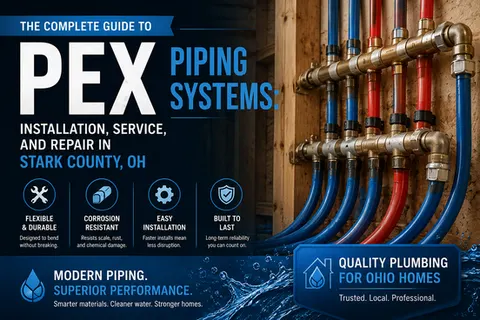
New plumbing installations significantly enhance water quality by eliminating contamination sources common in aging systems. Old pipes may leach metals, harbor bacteria, or allow infiltration of contaminants that affect taste, odor, and safety. Fresh installations using modern materials like PEX or copper provide clean pathways that maintain water purity from source to tap.
Modern filtration systems and water treatment options can be integrated during new installations, providing comprehensive water quality improvements. These systems remove chlorine, sediment, and other contaminants while preserving beneficial minerals, resulting in better-tasting, healthier water throughout the property.
Increased Property Value
New plumbing systems substantially increase property values by addressing one of buyers' primary concerns about older homes. Real estate professionals consistently rank updated plumbing among the most valuable improvements property owners can make. The plumbing replacement benefits extend beyond immediate functionality to include buyer confidence in the property's long-term reliability.
Properties with new plumbing systems often sell faster and command higher prices than comparable homes with aging infrastructure. Buyers appreciate knowing they won't face immediate plumbing expenses or unexpected failures after purchase.
Compliance with Local Codes
New installations ensure compliance with current building codes and safety standards that may not have existed when older systems were installed. Modern codes address important safety concerns including backflow prevention, proper venting, and earthquake resistance. Compliance protects property owners from liability issues and ensures systems meet current safety standards.
Updated systems also facilitate future renovations and additions by providing code-compliant infrastructure that supports additional fixtures or expanded capacity without requiring extensive modifications.
Comparing New Plumbing Installation
to Repairs
Cost Analysis
The financial comparison between new plumbing installation and ongoing repairs requires careful analysis of both immediate and long-term expenses. Repairs typically cost $150-$500 per incident for common issues like leak fixes or drain clearing, while major repairs such as sewer line replacement can reach $3,000-$8,000. The cost of plumbing installation for complete residential systems ranges from $8,000-$15,000, depending on home size and complexity.
However, repair costs accumulate over time, often creating a pattern of escalating expenses.
Properties with aging plumbing may require monthly or quarterly repairs, with annual costs reaching $2,000-$4,000. Over a five-year period, repair expenses can approach or exceed the cost of complete replacement while providing only temporary solutions.
New installations eliminate this cycle of recurring repairs while providing warranty protection typically lasting 5-10 years. Professional plumbing services for new installations include comprehensive system design, quality materials, and guaranteed workmanship that repairs cannot match. The predictable nature of new system maintenance allows property owners to budget effectively rather than facing unexpected emergency expenses.
Time and Labor Considerations
Repairs often require multiple service calls as problems recur or new issues emerge in aging systems. Each repair incident involves scheduling disruptions, property access requirements, and potential water shutoffs that affect daily routines. Emergency repairs frequently occur at inconvenient times, requiring immediate attention regardless of schedule conflicts.
New plumbing installations, while requiring more extensive initial work, eliminate these ongoing disruptions. Professional installation teams complete comprehensive system replacement in 3-7 days for typical residential properties, after which homeowners enjoy years of reliable operation without frequent service calls.
The labor efficiency of new installations also provides better value. Rather than repeatedly accessing the same areas for different repairs, complete replacement addresses all potential issues simultaneously. This approach minimizes wall and floor damage while ensuring consistent quality throughout the entire system.
Quality of Work
Repairs often involve patching existing problems rather than addressing underlying causes. For example, fixing a leak in one section of old pipe doesn't prevent similar failures in adjacent areas with the same age and condition. This reactive approach creates ongoing reliability concerns and unpredictable performance.
New installations provide systematic solutions that address all potential failure points simultaneously. Modern materials offer superior durability, corrosion resistance, and longevity compared to repair patches on aging systems. Professional installation ensures proper connections, appropriate materials, and compliance with current standards throughout the entire
system.
Potential Risks of Deferred Repairs
Delaying comprehensive plumbing replacement in favor of ongoing repairs creates several significant risks. Water damage from repeated leaks can compromise structural integrity, promote mold growth, and damage flooring, walls, and personal property. These secondary damages often exceed the cost of proactive replacement.
Aging plumbing systems also pose health risks through contamination, reduced water pressure affecting fire suppression systems, and potential sewage backups. Emergency failures often occur at the worst possible times, creating urgent situations that require expensive emergency repairs and temporary accommodations.
Types of Plumbing Installations
Residential vs. Commercial Needs
Residential plumbing installations focus on comfort, efficiency, and reliability for daily household activities. These systems typically include 3/4-inch main lines, 1/2-inch distribution pipes, and standard fixtures designed for family use. Residential new plumbing systems prioritize water pressure consistency, hot water availability, and quiet operation that supports comfortable living environments.
Commercial installations require higher capacity systems with larger pipes, commercial-grade fixtures, and specialized components for business operations. These systems must handle increased usage volumes, meet stricter code requirements, and provide reliable operation during business hours. Commercial plumbing often includes specialized features like grease traps, backflow preventers, and emergency shut-off systems.
Multi-unit residential properties combine elements of both approaches, requiring robust systems that serve multiple households while maintaining individual unit control and metering. These installations often include centralized hot water systems, shared drainage infrastructure, and individual shut-off capabilities for each unit.
Common Fixtures and Systems to Install
Complete plumbing installations typically include water supply lines, drainage systems, water heaters, and all fixtures throughout the property. Supply line installation involves main service connections, distribution piping, and individual fixture connections using modern materials like PEX or copper that provide long-term reliability.
Drainage systems include waste lines, vent stacks, and sewer connections that safely remove wastewater and maintain proper system pressure. Modern drainage installations incorporate cleanout access points, proper slope calculations, and durable materials that resist blockages and corrosion.
Water heating systems range from traditional tank units to modern tankless installations that provide unlimited hot water while saving space and energy. New installations often include recirculation systems that deliver hot water quickly while minimizing waste.
Factors Influencing Installation Choices
Property size and layout significantly influence installation decisions, with larger homes requiring more extensive distribution systems and higher capacity components. Multi-story properties need pressure-boosting systems and careful pipe sizing to ensure adequate pressure at all levels.
Local climate conditions affect material choices and installation methods. Cold climates require extensive insulation and freeze protection measures, while areas with hard water benefit from water treatment systems integrated during installation.
Future expansion plans should guide current installation decisions. Properties planned for additions or renovations benefit from oversized main lines and strategically placed connection points that facilitate future modifications without major system disruption.
Long-Term Maintenance Tips for New
Plumbing Systems
Regular Inspections
Maintaining the benefits of new plumbing installation requires consistent monitoring and preventive care. Property owners should conduct monthly visual inspections of accessible pipes, fixtures, and connections, looking for signs of leaks, corrosion, or unusual wear. These inspections help identify potential issues before they become major problems requiring emergency repairs.
Annual professional inspections provide comprehensive system evaluation using specialized tools and expertise. Professional plumbers can detect hidden leaks, assess water pressure, evaluate fixture performance, and identify maintenance needs that property owners might miss.
These inspections typically cost $150-$300 but can prevent thousands of dollars in damage from undetected problems.
Seasonal maintenance checks should focus on weather-related concerns. Before winter, inspect pipe insulation, test freeze protection systems, and ensure proper drainage around the property foundation. Spring inspections should verify that freeze protection measures didn't cause damage and that outdoor fixtures are ready for increased usage.
Cleaning Practices
Proper cleaning and maintenance practices extend the lifespan of new plumbing systems while preserving their efficiency. Drain cleaning should be performed monthly using enzyme-based cleaners that break down organic buildup without damaging pipes. Avoid chemical drain cleaners that can corrode new pipes and fixtures over time.
Water heater maintenance includes annual flushing to remove sediment buildup, checking temperature settings, and inspecting safety valves. These simple maintenance tasks can extend water heater life by 5-10 years while maintaining optimal efficiency. Tankless units require annual descaling in areas with hard water.
Fixture maintenance involves cleaning aerators, showerheads, and faucet components to prevent mineral buildup that reduces flow and efficiency. Most fixtures can be cleaned with vinegar solutions that dissolve mineral deposits without damaging finishes or internal components.
Signs of Wear and Tear
Even new plumbing systems eventually show signs of normal wear that require attention.
Changes in water pressure, unusual noises, or minor leaks should be addressed promptly to
prevent more serious problems. Early intervention often involves simple adjustments or component replacements that cost far less than major repairs.
Water quality changes, including taste, odor, or color variations, may indicate issues with fixtures, water heaters, or supply lines that need professional evaluation. These changes often
signal maintenance needs rather than system failures when addressed quickly.
Monitor utility bills for unexpected increases that might indicate hidden leaks or efficiency
problems. New plumbing systems should maintain consistent performance, so significant changes in water usage often signal maintenance needs.
Selecting the Right Plumbing
Professionals
What to Look for in a Plumber
Choosing qualified professionals is crucial for realizing the full benefits of new plumbing installation. Licensed plumbers possess the training, experience, and legal authority to perform complex installations that meet local codes and safety standards. Verify licensing status through state regulatory agencies and ensure coverage includes the specific work required for your project.
Insurance coverage protects property owners from liability for accidents or damage during installation. Reputable plumbing contractors carry both general liability and workers' compensation insurance, providing protection for property and personnel. Request proof of current insurance coverage before beginning any work.
Experience with similar projects ensures familiarity with specific challenges and solutions relevant to your installation. Plumbers specializing in residential work understand homeowner needs and priorities, while those with commercial experience can handle larger, more complex systems. Look for contractors with demonstrated success in projects similar to your requirements.
Questions to Ask During Consultation
Professional consultations should address project scope, timeline, materials, and costs in detail.
Ask about specific materials recommended for your installation and why those choices provide
the best value. Experienced contractors can explain the advantages of different pipe materials, fixture brands, and system designs for your specific situation.
Warranty coverage varies significantly between contractors and should be clearly understood before beginning work. Quality installations typically include warranties on both materials and
labor, with coverage periods ranging from one to ten years depending on components and contractor policies.
Timeline expectations help plan for installation disruption and coordinate with other household activities. Professional contractors provide realistic schedules that account for permit
requirements, material delivery, and potential complications that might extend completion dates.
The Importance of Reviews and Referrals
Customer reviews and referrals provide valuable insights into contractor reliability, quality, and customer service. Online review platforms offer perspectives from previous customers about work quality, communication, and problem resolution. Look for patterns in reviews rather than focusing on individual comments.
Professional references from recent customers allow direct communication about contractor performance and satisfaction. Reputable contractors readily provide references and encourage potential customers to verify their work quality and professionalism.
Industry certifications and professional memberships indicate commitment to ongoing education and industry standards. Organizations like the Plumbing-Heating-Cooling Contractors Association require members to meet specific standards and provide continuing education opportunities.
Conclusion
The benefits of new plumbing installation extend far beyond immediate problem resolution, providing comprehensive solutions that enhance property value, reduce long-term costs, and ensure reliable operation for decades. While repairs address individual issues, complete installations eliminate underlying problems while incorporating modern efficiency improvements and safety features that aging systems cannot match.
Property owners who invest in new plumbing systems enjoy predictable maintenance costs, improved water quality, and the peace of mind that comes with reliable infrastructure. The initial investment in professional installation pays dividends through reduced utility bills, fewer emergency repairs, and increased property values that often exceed installation costs.
For homeowners, landlords, and property managers seeking long-term plumbing solutions, new installations represent smart investments in property infrastructure. The combination of improved efficiency, enhanced reliability, and modern safety features makes complete plumbing replacement the preferred choice for properties with aging or problematic systems.
The decision to install new plumbing requires careful planning and professional expertise to ensure optimal results. Working with experienced contractors who understand local codes, material options, and installation best practices ensures that property owners realize the full benefits of their investment while avoiding common pitfalls that can compromise system performance.
Ready to explore the benefits of new plumbing installation for your property? Contact K and K Plumbing Ohio at 330-875-8003 for a comprehensive consultation and free estimate. Our experienced professionals provide transparent pricing, quality workmanship, and reliable solutions that protect your investment for years to come. Visit https://kandkplumbing.com/ to learn more about our complete plumbing services and schedule your consultation today.
Have a question about this topic? Contact K & K Plumbing or call 330-875-8003 for a free estimate.