Understanding plumbing issues is crucial for every homeowner and property manager in Ohio.
With the state's diverse climate conditions—from freezing winters to humid summers pipes
face constant stress that can lead to unexpected failures. Learning how to repair broken pipes in Ohio empowers property owners to address minor issues quickly while recognizing when professional intervention is necessary.
Broken pipes can cause significant water damage, increase utility bills, and disrupt daily operations for both residential and commercial properties. Ohio's unique environmental challenges, including ground freeze-thaw cycles and aging infrastructure in older cities, make pipe repair knowledge
particularly valuable. While some repairs require immediate professional attention, others can be temporarily addressed by knowledgeable property owners.
This comprehensive guide will walk you through identifying common pipe problems, understanding repair techniques, and knowing when to contact experienced plumbing services Ohio residents
trust. Whether you're a first-time homeowner or manage multiple properties, this information will help you make informed decisions about plumbing maintenance and repairs.
Common Causes of Broken Pipes
Understanding why pipes fail helps prevent future problems and guides effective repair strategies.
In Ohio, several factors contribute to pipe deterioration and failure.
Corrosion and aging represent the most common cause of pipe failure, especially in homes built before 1980. Galvanized steel pipes, once standard in Ohio construction, gradually rust from the inside out. This process accelerates in areas with hard water, common throughout much of the state.
Copper pipes, while more durable, can develop pinhole leaks after decades of service.
Temperature fluctuations pose significant challenges in Ohio's climate. Winter temperatures often drop below freezing, causing water inside pipes to expand and create tremendous pressure. Even pipes located in heated areas can freeze when temperatures plummet rapidly. Spring thaws can reveal damage that occurred during winter months.
Tree root intrusion frequently affects underground sewer and water lines. Ohio's mature tree populations, particularly in established neighborhoods, send roots seeking moisture directly into pipe joints and cracks. Once roots penetrate, they expand and create larger breaks.
Physical damage or impact occurs during construction projects, landscaping activities, or when heavy equipment operates near buried lines. Even minor impacts can weaken joints or create stress points that fail later.
Improper installation by unqualified individuals often leads to premature failure. Incorrect pipe sizing, inadequate support, or poor joint connections create weak points throughout the plumbing system.
Signs of Broken Pipes
Early detection of pipe problems prevents extensive water damage and costly repairs. Property owners should monitor for these warning signs throughout their buildings and surrounding areas.
Water stains on ceilings or walls often indicate hidden leaks within the building structure.
These stains typically appear as discolored patches that may grow larger over time. Fresh stains feel damp to the touch, while older damage may show brown or yellow discoloration.
In Ohio's humid climate, these stains can also promote mold growth, creating additional health and structural concerns.
Reduced water pressure throughout the property or in specific fixtures suggests pipe damage or blockages. When breaks occur, water escapes before reaching its intended destination, resulting in noticeably weaker flow. Multiple fixtures experiencing simultaneous pressure drops indicate main line problems requiring immediate attention.
Unusual sounds from plumbing include gurgling, whistling, or banging noises when water runs.
These sounds often originate from air entering the system through breaks or loose joints. Water hammer effects, common in older Ohio homes, can indicate mounting bracket failures or pressure regulation problems.
Puddles in the yard or basement reveal external or underground leaks. Unexplained wet spots in landscaping, especially during dry weather, suggest buried line failures. Basement flooding or persistent dampness often indicates foundation wall penetration leaks or failed interior connections.
Higher water bills without increased usage patterns frequently signal hidden leaks. Even small breaks can waste hundreds of gallons monthly, creating noticeable utility cost increases. Monitoring monthly usage helps identify gradual increases that might otherwise go unnoticed until significant damage occurs.
Additional warning signs include unusual odors near plumbing fixtures, visible pipe corrosion, and frequent drain backups that could indicate sewer line problems requiring professional water leak detection services.
How to Repair Broken Pipes: Step-by-Step Guide
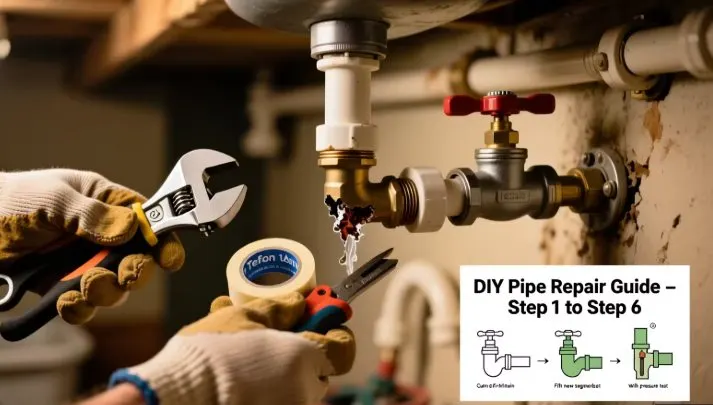
Learning how to repair broken pipes in Ohio requires understanding both the process and safety considerations. This step-by-step approach covers basic DIY pipe repair techniques for minor issues.
Assess the damage and shut off the water supply immediately upon discovering a leak.
Locate the main water shutoff valve, typically found near the water meter or where the main line enters the building. Turn the valve clockwise to stop water flow. For localized repairs, individual fixture shutoff valves may suffice. Document the damage with photographs for insurance purposes if extensive water damage occurred.
Gather necessary tools and materials before beginning repairs. Essential tools include pipe cutters or hacksaw, adjustable wrenches, plumber's tape, sandpaper or emery cloth, and measuring tape. Materials needed depend on pipe type but typically include replacement pipe sections, appropriate fittings, primer and cement for plastic pipes, or flux and solder for copper connections. Safety equipment includes gloves, eye protection, and adequate lighting.
Step 1: Locate the leak precisely by examining the entire visible pipe length. Clean away any debris or corrosion to assess damage extent. Mark cut points at least two inches beyond visible damage on each side to ensure complete removal of weakened pipe sections. For underground breaks, excavation may be necessary to access the damaged area safely.
Step 2: Remove the damaged section of pipe using appropriate cutting tools. Make straight, clean cuts perpendicular to the pipe axis. For copper pipes, use a pipe cutter for smooth edges.
Plastic pipes cut easily with hacksaws or specialized plastic pipe cutters. Remove any burrs or rough edges with sandpaper to ensure proper fitting connections.
Step 3: Prepare the new pipe section by measuring the gap created by removing damaged material. Account for fitting insertion depths when calculating replacement length. Cut the new pipe section slightly longer than measured, then test-fit before final installation. Clean all surfaces that will receive fittings, removing any oxidation, dirt, or old sealant materials.
Step 4: Replace and seal the pipe according to material-specific procedures. For copper joints, apply flux to both pipe and fitting surfaces, then heat with a torch while applying solder. Plastic pipes require primer application followed by cement, working quickly before the cement sets.
Ensure all connections are fully seated and properly aligned before materials cure.
Step 5: Test the repair by gradually restoring water pressure. Open the main valve slowly, checking all connections for leaks. Run water through nearby fixtures to verify proper flow and pressure restoration. Monitor the repair area for several hours, as some leaks may only appear under full system pressure.
When to Call a Professional Plumber
While DIY repairs can address minor issues, many situations require professional plumbing services Ohio homeowners and businesses can trust for reliable, long-term solutions.
Complex repairs beyond DIY skills include main line replacements, sewer line repairs, and work requiring specialized equipment. Gas line repairs, water heater installations, and extensive
repiping projects demand professional expertise and proper licensing. Ohio building codes require licensed plumbers for many repairs, especially those involving major system modifications or new installations.
Consistent leaks after repairs indicate underlying problems that DIY methods cannot address effectively. Recurring failures often stem from systemic issues like inadequate pipe sizing, excessive water pressure, or foundation settlement creating ongoing stress. Professional plumbers possess
diagnostic equipment and experience to identify root causes rather than treating symptoms.
Emergency situations requiring immediate professional response include major floods, sewer
backups, frozen pipes threatening to burst, and gas leaks. Emergency plumbing Ohio services provide 24/7 availability for situations that cannot wait for regular business hours. Attempting complex emergency repairs without proper experience often worsens damage and increases repair costs.
Benefits of professional services extend beyond technical expertise to include warranty protection, insurance coverage, and code compliance assurance. Licensed plumbers carry liability insurance protecting property owners from repair-related damage. Professional work typically includes warranties covering both labor and materials, providing long-term peace of
mind. Additionally, professional repairs maintain property values and ensure compliance with local building codes required for insurance claims and property sales.
Preventative Measures
Proactive plumbing maintenance significantly reduces the likelihood of pipe failures and extends system lifespan throughout Ohio's challenging climate conditions.
Regular plumbing inspections should occur annually, preferably before winter weather arrives. Professional inspections identify potential problems before they cause damage,
allowing planned repairs rather than emergency interventions. Property owners can perform basic visual inspections monthly, checking exposed pipes for corrosion, loose connections, or signs of stress.
Insulating pipes against temperature changes prevents freeze damage during Ohio winters.
Foam pipe insulation, available at hardware stores, provides effective protection for exposed pipes in basements, crawl spaces, and exterior walls. Heat tape offers additional protection for pipes in extremely vulnerable locations. Maintaining consistent indoor temperatures, even when properties are vacant, prevents interior pipe freezing.
Avoiding harsh chemicals preserves pipe integrity and prevents premature deterioration.
Chemical drain cleaners can corrode pipe materials over time, particularly in older systems.
Professional drain cleaning services provide effective blockage removal without chemical damage.
Regular maintenance prevents most blockages that might tempt property owners to use harsh cleaning products.
Proper landscaping techniques protect underground utilities from root damage and physical impact. Plant trees and large shrubs away from known utility lines, consulting utility location services before major landscaping projects. Regular root barrier maintenance prevents established plants from threatening underground pipes.
Conclusion
Understanding how to repair broken pipes in Ohio empowers property owners to address minor issues while recognizing when professional expertise becomes necessary. Ohio's unique climate challenges and diverse housing stock create specific plumbing maintenance needs that informed property owners can better manage through preventative measures and timely repairs.
Ready to ensure your plumbing system operates reliably year-round? Contact K and K Plumbing Ohio at 330-875-8003 for professional plumbing repairs, emergency services, and comprehensive maintenance solutions. Our experienced team provides transparent pricing and long-term fixes that Ohio homeowners, landlords, and business owners trust. Visit https://kandkplumbing.com/ to schedule your plumbing inspection today.
Have a question about this topic? Contact K & K Plumbing or call 330-875-8003 for a free estimate.