Introduction to Energy Efficiency in Lighting
Energy efficiency in lighting represents the relationship between the amount of light produced and the energy consumed to create that illumination. When searching for the best bulb replacement for energy efficiency, property owners must consider both the immediate impact on electricity consumption and the long-term benefits for their utility bills and environmental footprint.
The importance of choosing the right bulbs extends far beyond simple cost savings. Energy-efficient lighting directly reduces greenhouse gas emissions from power plants, contributing to environmental sustainability while providing superior illumination quality. For homeowners, landlords, and property managers, making informed lighting choices represents a strategic investment that pays dividends through reduced operational costs and enhanced property value.
Modern lighting technology has revolutionized how we approach energy consumption in residential and commercial spaces. Traditional incandescent bulbs, once the standard choice, now compete with advanced LED technology and compact fluorescent options that offer dramatically improved efficiency ratings. The difference between outdated and modern lighting solutions can result in energy savings of up to 80 percent, making bulb replacement one of the most cost-effective home improvements available.
This comprehensive guide will explore the various types of energy-efficient bulbs available today, examining their performance characteristics, installation requirements, and long-term value propositions. We'll analyze the factors that influence bulb selection, provide specific recommendations for different applications, and offer professional insights into proper installation and maintenance practices that maximize efficiency and lifespan.
Types of Energy-Efficient Bulbs
Understanding the landscape of available lighting options is crucial when selecting the best bulb replacement for energy efficiency. Each technology offers distinct advantages and limitations that affect their suitability for specific applications and environments.
Incandescent Bulbs
Traditional incandescent bulbs operate by heating a tungsten filament until it glows, producing light as a byproduct of heat generation. While familiar and inexpensive upfront, incandescent bulbs convert only 10 percent of consumed energy into visible light, with the remaining 90 percent released as heat. These bulbs typically last 750 to 1,000 hours and consume 60 to 100 watts for standard household applications. Despite their inefficiency, incandescent bulbs provide excellent color rendering and instant full brightness, making them suitable for specific decorative applications where efficiency is secondary to aesthetic considerations.
LED Bulbs
Light Emitting Diode (LED) technology represents the pinnacle of energy-efficient lighting solutions. LED bulbs produce light through electroluminescence, where electrical current passes through semiconductor material to generate photons. This process eliminates heat waste, allowing LEDs to convert up to 95 percent of consumed energy into light. Quality LED bulbs last 25,000 to 50,000 hours while consuming 80 percent less energy than equivalent incandescent bulbs. A 60-watt incandescent replacement LED typically consumes only 8 to 12 watts while producing identical light output. LEDs offer excellent dimming capabilities, instant illumination, and superior durability in various environmental conditions.
CFL Bulbs
Compact Fluorescent Lamps (CFLs) bridge the gap between traditional incandescent and advanced LED technology. CFLs operate by exciting mercury vapor with electrical current, producing ultraviolet light that activates phosphor coating to generate visible illumination. These bulbs consume approximately 75 percent less energy than incandescent alternatives and last 8,000 to 15,000 hours. A CFL equivalent to a 60-watt incandescent bulb typically consumes 13 to 15 watts. However, CFLs require warm-up time to reach full brightness, contain small amounts of mercury requiring special disposal procedures, and may not perform optimally in cold temperatures.
Halogen Bulbs
Halogen bulbs represent an improved version of incandescent technology, utilizing halogen gas to increase efficiency and extend lifespan. These bulbs operate at higher temperatures than standard incandescent bulbs, producing brighter, whiter light while lasting 2,000 to 4,000 hours. Halogen bulbs consume 20 to 30 percent less energy than traditional incandescent bulbs while maintaining excellent color rendering and instant brightness. However, they still generate significant heat and remain less efficient than LED or CFL alternatives.
Energy Use and Lifespan Comparison
When comparing energy consumption and longevity, LED bulbs clearly demonstrate superior performance across all metrics. A typical LED bulb consuming 10 watts produces equivalent light to a 60-watt incandescent, 15-watt CFL, or 43-watt halogen bulb. Over a 25,000-hour lifespan, an LED bulb costs approximately $30 in electricity versus $150 for incandescent, $38 for CFL, and $108 for halogen alternatives, assuming average electricity rates of $0.12 per kilowatt-hour.
Factors to Consider When Choosing Bulbs
Selecting the best bulb replacement for energy efficiency requires careful evaluation of multiple technical and practical factors that influence both performance and user satisfaction. Understanding these considerations ensures optimal lighting solutions for specific applications and environments.
Wattage and Lumens Explained
Wattage measures electrical power consumption, while lumens quantify actual light output, making lumens the more relevant metric for comparing bulb brightness. Traditional shopping habits focused on wattage create confusion when transitioning to energy-efficient lighting, as LED bulbs produce more lumens per watt than conventional alternatives. For example, a 60-watt incandescent bulb produces approximately 800 lumens, while an equivalent LED bulb achieves the same output using only 8 to 12 watts. When replacing existing bulbs, match lumen output rather than wattage to maintain desired brightness levels. Standard residential applications typically require 800 to 1,100 lumens for general room lighting, 400 to 700 lumens for accent lighting, and 1,800 to 3,000 lumens for task-oriented illumination.
Color Temperature and Mood Impact
Color temperature, measured in Kelvin (K), significantly affects ambiance and functionality in different spaces. Warm white light (2,700K to 3,000K) creates cozy, relaxing atmospheres ideal for bedrooms, living rooms, and dining areas. Cool white light (3,500K to 4,100K) provides balanced illumination suitable for kitchens, bathrooms, and office spaces. Daylight bulbs (5,000K to 6,500K) offer crisp, energizing light perfect for task lighting, workshops, and areas requiring high visual acuity. Color temperature directly influences circadian rhythms, with warmer light promoting relaxation and cooler light enhancing alertness and productivity.
Dimmability Options
Not all energy-efficient bulbs offer compatible dimming capabilities, making this feature an important selection criterion for spaces requiring variable lighting levels. LED bulbs specifically designed for dimming provide smooth, flicker-free operation across the entire brightness range. However, using non-dimmable LED bulbs with dimmer switches can cause buzzing, flickering, or premature failure. CFL bulbs generally offer limited dimming performance and may not reach full brightness when dimmed. When installing dimmable energy-efficient lighting, ensure compatibility between bulbs, dimmer switches, and electrical circuits to achieve optimal performance.
Cost vs. Savings Analysis
Initial purchase price represents only a fraction of total lighting costs over bulb lifespan. While LED bulbs cost more upfront than CFL or incandescent alternatives, their superior efficiency and longevity provide substantial long-term savings. A quality LED bulb costing $8 to $12 typically saves $75 to $100 in electricity costs over its 25,000-hour lifespan compared to incandescent bulbs. Additionally, reduced replacement frequency eliminates ongoing maintenance costs and inconvenience, particularly valuable for hard-to-reach fixtures or commercial applications requiring professional installation services.
Benefits of Using Energy-Efficient Bulbs
Implementing the best bulb replacement for energy efficiency delivers measurable advantages that extend beyond simple cost reduction, creating value for property owners through improved performance, reduced maintenance, and enhanced environmental responsibility.
Lower Energy Bills
Energy-efficient lighting directly reduces electricity consumption, providing immediate and ongoing utility bill savings. LED bulbs consume 75 to 80 percent less electricity than incandescent alternatives while producing equivalent light output. For average households using 40 light bulbs, switching to LED technology saves approximately $200 to $300 annually in electricity costs. These savings compound over time, with total energy cost reductions reaching $1,000 to $2,000 over a decade. Property managers overseeing multiple units can achieve even greater savings through bulk LED conversion projects, improving property profitability while reducing operational overhead.
Extended Lifespan Benefits
Energy-efficient bulbs dramatically outlast traditional incandescent alternatives, reducing replacement frequency and associated maintenance costs. Quality LED bulbs operate for 25,000 to 50,000 hours compared to 750 to 1,000 hours for incandescent bulbs. This longevity translates to 25 to 50 years of normal residential use, virtually eliminating ongoing replacement needs. For commercial properties, rental units, and hard-to-reach fixtures, extended lifespan reduces labor costs, minimizes tenant disruption, and eliminates frequent bulb inventory management. The reliability of energy-efficient lighting particularly benefits emergency lighting systems and security applications requiring consistent illumination.
Environmental Impact Reduction
Energy-efficient lighting significantly reduces carbon footprint and environmental impact through decreased electricity demand and reduced waste generation. LED bulbs eliminate toxic materials like mercury found in CFL alternatives while requiring less frequent replacement, reducing landfill waste. A single LED bulb prevents approximately 1,400 pounds of carbon dioxide emissions over its lifespan compared to incandescent equivalents. Additionally, reduced electricity demand decreases strain on power generation facilities, contributing to broader environmental sustainability goals and supporting renewable energy integration efforts.
Enhanced Lighting Quality
Modern energy-efficient bulbs provide superior light quality compared to traditional alternatives, offering better color rendering, reduced heat generation, and consistent output throughout their operational lifespan. LED technology produces clean, flicker-free illumination that reduces eye strain and improves visual comfort. Unlike CFL bulbs that dim over time, LEDs maintain consistent brightness and color temperature throughout their lifespan. Advanced LED options include smart features like programmable color temperature adjustment, allowing users to optimize lighting conditions for different activities and times of day, enhancing both comfort and productivity in residential and commercial environments.
Top Recommendations for Bulb Replacement
Selecting the best bulb replacement for energy efficiency requires matching specific bulb characteristics to intended applications, usage patterns, and performance requirements. These recommendations provide proven solutions for various residential and commercial lighting needs.
Best LED Options for Homes
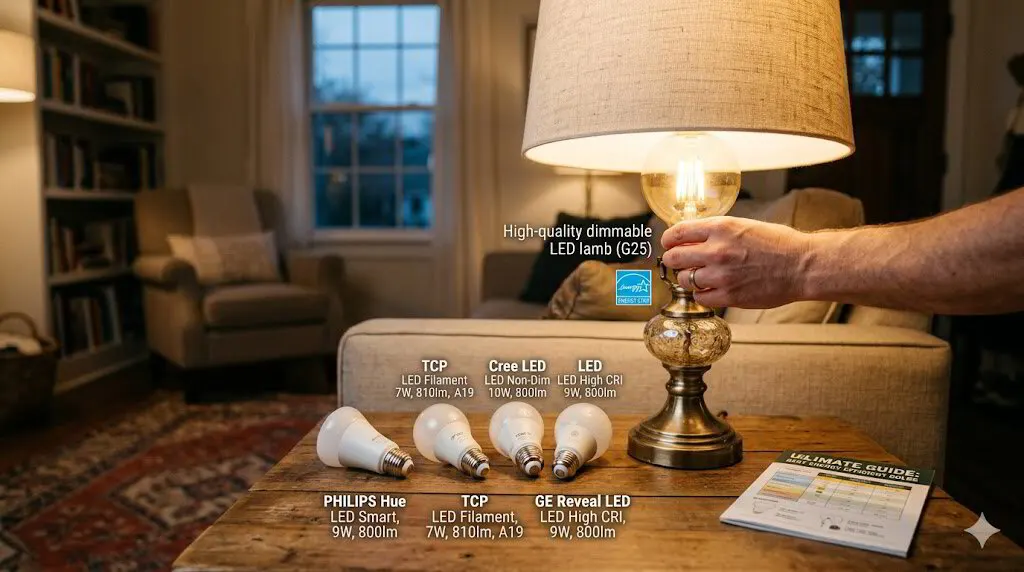
For general household lighting, Philips LED A19 bulbs offer exceptional efficiency, producing 800 lumens while consuming only 8.5 watts. These bulbs provide 25,000-hour lifespan with excellent color rendering (CRI 80+) and instant full brightness. Cree LED bulbs deliver outstanding value with 10-year warranties and dimming compatibility across most residential dimmer switches. For recessed lighting applications, Feit Electric LED downlight bulbs provide focused illumination with integrated heat management and wet location ratings suitable for bathrooms and covered outdoor areas.
GE Relax LED bulbs excel in living spaces, offering warm 2,700K color temperature that creates comfortable ambiance while maintaining high efficiency ratings. For kitchens and workspaces, consider Sylvania Ultra LED bulbs with 3,000K color temperature providing balanced illumination ideal for food preparation and detailed tasks. Specialty applications benefit from TCP LED bulbs designed for enclosed fixtures, ceiling fans, and outdoor use, featuring enhanced thermal management and weather resistance.
CFL Recommendations for Budget-Conscious Users While LED technology offers superior performance, quality CFL bulbs provide affordable energy savings for budget-conscious property owners. Philips Energy Saver CFL bulbs consume 75 percent less energy than incandescent alternatives while lasting 10,000 hours. These bulbs reach 80 percent brightness within one minute and full brightness within three minutes, suitable for frequently used areas. EcoSmart CFL bulbs offer excellent value with Energy Star certification and mercury content below federal limits.
For three-way lamps and specialty applications, Sylvania CFL bulbs provide multiple brightness levels while maintaining energy efficiency. Choose CFL bulbs with electronic ballasts for improved dimming performance and reduced flicker. However, consider LED alternatives for frequently switched locations, cold environments, or fixtures requiring instant full brightness.
Smart Lighting Solutions Smart LED bulbs combine energy efficiency with advanced connectivity features, enabling automated control, scheduling, and energy monitoring. Philips Hue smart bulbs offer full spectrum color adjustment, smartphone app control, and integration with home automation systems. These bulbs consume 80 percent less energy than incandescent alternatives while providing programmable scenes and automatic scheduling based on occupancy or time of day.
TP-Link Kasa smart bulbs provide affordable smart lighting with dimming control, scheduling features, and energy monitoring capabilities. LIFX smart bulbs offer superior brightness output and color accuracy, ideal for accent lighting and entertainment applications. Smart lighting systems enable optimal energy management through automated scheduling, occupancy sensing, and daylight harvesting features that adjust artificial lighting based on natural light availability.
Room-Specific Considerations Different rooms require tailored lighting solutions based on activities, ambiance requirements, and usage patterns. Bedrooms benefit from warm 2,700K LED bulbs with dimming capability, promoting relaxation and healthy sleep patterns. Bathrooms require LED bulbs rated for damp locations with good color rendering for grooming tasks. Kitchen lighting combines ambient and task illumination, using 3,000K to 4,000K LED bulbs for general lighting and focused LED strips for under-cabinet task lighting.
Home offices and study areas perform best with 4,000K to 5,000K LED bulbs that enhance alertness and reduce eye strain during detailed work. Basements and utility areas benefit from high-output LED bulbs providing bright, reliable illumination for safety and functionality. Outdoor applications require LED bulbs with appropriate weather ratings and photocell compatibility for automatic dusk-to-dawn operation.
Proper Installation Tips for Maximum Efficiency
Achieving optimal performance from the best bulb replacement for energy efficiency requires proper installation techniques that ensure safety, maximize lifespan, and maintain warranty coverage. Following professional installation practices prevents common issues that compromise bulb performance and longevity.
Safe Installation Procedures
Always turn off electrical power at the circuit breaker before replacing any light bulb, ensuring complete safety during installation. Allow existing bulbs to cool completely before removal, as both incandescent and halogen bulbs operate at extremely high temperatures that can cause severe burns. Use clean, dry hands or cotton gloves when handling LED and CFL bulbs, as skin oils can reduce performance and create hot spots that shorten lifespan.
Verify that new bulbs match fixture specifications for maximum wattage, base type, and dimensional requirements. LED bulbs generate less heat than incandescent alternatives but still require adequate ventilation for optimal performance. Ensure fixture ratings accommodate LED bulb dimensions, as some LED designs are larger than traditional bulbs and may not fit properly in enclosed fixtures or decorative shades.
Check dimmer switch compatibility before installing dimmable LED bulbs, as older dimmer switches designed for incandescent bulbs may cause flickering, buzzing, or reduced lifespan with LED technology. Replace incompatible dimmer switches with LED-compatible models to achieve smooth dimming performance and prevent damage to expensive LED bulbs.
Common Installation Mistakes
Avoid over-tightening bulbs during installation, as excessive force can damage lamp sockets, bulb bases, or internal LED components. Hand-tighten bulbs until snug, then add only slight additional pressure to ensure proper electrical contact. Never force bulbs into fixtures, as mismatched base types or oversized bulb dimensions can damage both fixtures and bulbs.
Installing non-dimmable LED bulbs with dimmer switches represents a common mistake that causes premature failure, flickering, and potential safety hazards. Similarly, using indoor-rated bulbs in outdoor fixtures exposes them to moisture and temperature extremes that void warranties and reduce lifespan. Always verify bulb ratings match intended applications and environmental conditions.
Professional Installation Services Complex lighting installations, electrical modifications, or fixture replacements require professional electrical services to ensure code compliance and safety. Licensed electricians possess the expertise to evaluate existing wiring, install compatible dimmer switches, and address electrical issues that affect lighting performance. Professional installation becomes essential for recessed lighting conversions, smart lighting system integration, or situations involving aluminum wiring or outdated electrical panels.
When electrical work extends beyond simple bulb replacement, contact qualified professionals who understand local electrical codes and safety requirements. Professional installation ensures warranty coverage, prevents safety hazards, and guarantees optimal performance from energy-efficient lighting investments.
Maintaining Your Energy-Efficient Bulbs
Proper maintenance practices significantly extend the lifespan and performance of energy-efficient lighting systems, maximizing return on investment while ensuring consistent illumination quality. Understanding maintenance requirements helps property owners protect their lighting investments and achieve optimal energy savings.
Cleaning and Care Procedures
Regular cleaning maintains optimal light output and prevents premature degradation of energy-efficient bulbs. Dust accumulation on LED and CFL bulbs reduces light output by up to 20 percent while increasing operating temperatures that shorten lifespan. Clean bulbs monthly using a soft, dry microfiber cloth, ensuring power is disconnected before cleaning. For heavily soiled bulbs, use slightly damp cloth with mild soap solution, ensuring bulbs are completely dry before reinstalling.
LED bulbs benefit from periodic inspection of heat sink fins and housing for dust accumulation that impedes thermal management. Use compressed air or soft brush to remove debris from LED heat sinks, maintaining optimal operating temperatures. Avoid harsh chemicals, abrasive materials, or excessive moisture that can damage LED drivers or phosphor coatings.
CFL bulbs require gentle handling during cleaning due to fragile glass construction and internal electronic components. Never submerge CFL bulbs in water or use excessive pressure that might crack glass tubes. Focus cleaning efforts on external surfaces while avoiding base areas containing electronic ballasts sensitive to moisture.
Performance Monitoring
Monitor energy-efficient bulbs for signs of degradation or performance issues that indicate replacement needs. LED bulbs gradually dim over time, with quality products maintaining 70 percent of initial brightness after 25,000 hours of operation. Significant dimming, color shifting, or flickering indicates approaching end of service life or potential electrical issues requiring attention.
CFL bulbs exhibit different aging characteristics, including slower startup times, reduced brightness, and color temperature shifts as they approach replacement intervals. Frequent on-off cycling accelerates CFL degradation, making them less suitable for applications requiring frequent switching.
Smart LED bulbs provide energy monitoring features that track usage patterns and performance metrics through smartphone applications. Utilize these features to optimize lighting schedules, identify energy waste, and plan maintenance activities based on actual usage data.
Replacement Indicators and Disposal
Replace LED bulbs when light output drops below acceptable levels or color quality deteriorates significantly. Unlike incandescent bulbs that fail suddenly, LEDs gradually degrade, allowing planned replacement before complete failure. Quality LED bulbs include warranty coverage for premature failure or significant performance degradation within specified timeframes.
CFL bulbs require immediate replacement when glass tubes crack or electronic ballasts fail, as continued operation poses safety risks. Dispose of CFL bulbs at designated recycling centers due to mercury content requiring special handling procedures. Many retailers and municipal facilities provide CFL recycling programs that safely process mercury-containing components.
LED bulbs contain valuable materials including rare earth elements and electronic components suitable for recycling. While LEDs don't contain hazardous materials like mercury, responsible disposal through electronics recycling programs recovers valuable materials and prevents unnecessary landfill waste. Many LED manufacturers provide take-back programs or partner with recycling facilities to process end-of-life products responsibly.
Warranty and Service Considerations
Maintain purchase receipts and warranty documentation for energy-efficient bulbs, as quality manufacturers provide replacement coverage for premature failure or performance issues. LED bulb warranties typically cover 3 to 10 years of normal operation, while CFL warranties range from 1 to 3 years depending on manufacturer and model specifications.
Document installation dates and operating environments to support warranty claims and track actual performance against manufacturer specifications. Unusual failure patterns may indicate electrical issues, incompatible fixtures, or environmental conditions requiring professional evaluation and correction.
Conclusion and Next Steps
Implementing the best bulb replacement for energy efficiency represents one of the most cost-effective improvements property owners can make to reduce operational costs and environmental impact. Throughout this comprehensive guide, we've explored how modern lighting technology delivers substantial energy savings, extended lifespan benefits, and improved illumination quality compared to traditional alternatives.
LED technology clearly emerges as the superior choice for most applications, offering 80 percent energy reduction, 25-year lifespan, and excellent performance characteristics that justify higher initial investment through long-term savings. CFL bulbs provide affordable energy efficiency for budget-conscious users, while smart lighting solutions add automation and monitoring capabilities that optimize energy consumption based on actual usage patterns.
Proper selection requires matching bulb characteristics to specific applications, considering factors like color temperature, dimming requirements, and environmental conditions. Professional installation ensures safety and optimal performance, particularly for complex electrical modifications or fixture upgrades that require specialized expertise.
The benefits extend far beyond simple cost reduction, encompassing environmental responsibility, reduced maintenance requirements, and enhanced lighting quality that improves comfort and productivity. Property managers, homeowners, and business owners who invest in energy-efficient lighting create lasting value through reduced operational costs and improved property appeal.
Regular maintenance and proper disposal practices protect lighting investments while supporting environmental sustainability goals. Quality energy-efficient bulbs provide years of reliable service when properly installed and maintained, delivering consistent savings and performance throughout their extended operational lifespan.
Take action today by conducting a comprehensive lighting audit of your property, identifying opportunities for energy-efficient upgrades that provide immediate and long-term benefits. Whether you need professional installation services, electrical modifications, or expert consultation on optimal lighting solutions, K and K Plumbing Ohio offers comprehensive services that ensure your energy efficiency projects achieve maximum performance and value.
Ready to maximize your property's energy efficiency? Contact K and K Plumbing Ohio at 330-875-8003 for professional lighting installation services and expert consultation. Our experienced team provides reliable solutions that deliver lasting value for your energy-saving initiatives. Visit https://kandkplumbingoh.com/ to explore our comprehensive services and schedule your consultation today.
Have a question about this topic? Contact K & K Plumbing or call 330-875-8003 for a free estimate.