When it comes to home maintenance, understanding the signs that indicate a need for pipe replacement in Summit County can save you from costly repairs in the future. Did you know that outdated or damaged pipes can not only lead to inconvenient leaks but also affect your home's water quality and efficiency? Whether you're dealing with frequent clogs, low water pressure, or visible corrosion, recognizing these issues early is crucial. In this blog post, we'll explore essential tips for pipe replacement, helping homeowners make informed decisions about their plumbing and maintain the integrity of their homes. From understanding local regulations to choosing the right materials, we've got you covered.
Understanding When Pipe Replacement
is Necessary in Summit County
Common signs of pipe issues
Identifying when pipe replacement is necessary can save homeowners in Summit County from more extensive damage down the line. Here are several common signs that may indicate the need for pipe replacement:
- Leaks: Water pooling around pipes, fixtures, or in basements can be a strong indicator.
- Discoloration: Noticeable rust or corrosion on exposed pipes may suggest structural integrity issues.
- Low Water Pressure: If your faucets are running weakly, or there are significant drops in pressure, it may signal pipe deterioration.
- Unpleasant Odors: Foul smells can indicate stagnant water trapped within pipes, often a sign of malfunction.
- Unusual Noises: Banging or clanging noises can result from water hammer or other pipe issues.
The importance of timely replacement
Addressing these signs promptly not only prevents more costly repairs but also contributes to a healthier living environment. Ignoring these indicators can lead to:
- Structural damage to your home: Continuing leaks can weaken walls and foundations.
- Mold and mildew growth: Standing water creates ideal conditions for these harmful fungi, which can affect air quality.
- Increased water bills: Wasted water from leaks drives up utility expenses, impacting your monthly budget.
Making an informed decision on pipe replacement in Summit County can significantly enhance your home’s plumbing efficiency and overall safety. If you're facing any of these issues, it’s advisable to consult professionals who specialize in pipe replacement.
Types of Pipes Commonly Found in Summit County
Materials used in residential plumbing
Understanding the types of pipes used in your home is essential for making informed decisions about pipe replacement in Summit County. Different materials come with their advantages and drawbacks, which can influence your choice during a replacement project.
Here are the most common types of pipes found in residential plumbing in the area:
- PVC (Polyvinyl Chloride):
○ Advantages: Lightweight, resistant to corrosion, and relatively inexpensive.
○ Usage: Often used for drainage, waste, and vent pipes.
- Copper:
○ Advantages: Durable, long-lasting, and resistant to bacteria.
○ Usage: Commonly used for water supply lines.
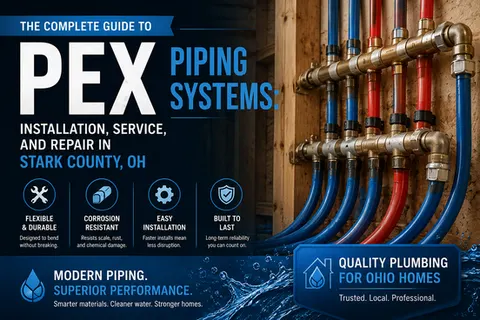
- PEX (Cross-linked Polyethylene):
○ Advantages: Flexible, easy to install, and resistant to scale and chlorine.
○ Usage: Increasingly popular for both hot and cold water supply lines.
- Galvanized Steel:
○ Advantages: Strong and typically lasts several decades.
○ Drawbacks: Prone to corrosion over time, leading to water quality issues.
○ Usage: Previously common in homes but less frequently used now.
Pros and cons of different pipe materials
When considering pipe replacement in Summit County, it’s crucial to weigh the pros and cons of each material:
Pipe Material Pros Cons PVC Cost-effective, easy to work with Limited to non-pressurized applications Copper Long lifespan, great heat transfer Higher installation costs PEX Flexible,
resistant to freezing May not be suitable for outdoor use Galvanized Steel Strong structure, lasts long Can lead to rust-related issues By understanding the types of pipes available and their respective benefits and drawbacks, homeowners can make informed choices when considering pipe replacement. For more information on plumbing materials and solutions, consider checking resources from American Society of Plumbing Engineers here.
The Pipe Replacement Process Explained
Steps involved in pipe replacement
When your plumbing system requires replacement, understanding the process can help you prepare for what’s ahead. The following steps outline the pipe replacement process commonly followed by professionals in Summit County:
1. Initial Inspection:
○ A qualified plumber will assess your current plumbing system for damage and determine which pipes need to be replaced.
2. Planning and Preparation:
○ The plumber will create a plan detailing the specific pipes to be replaced and any necessary permits required for the job.
3. Shutting Off Water Supply:
○ Before any physical work begins, water supply must be turned off to avoid flooding during the replacement.
4. Removing Old Pipes:
○ The old pipe sections are carefully disconnected and removed to allow for the installation of new pipes.
5. Installing New Pipes:
○ New pipe materials are installed according to the pre-approved plumbing layout, ensuring secure connections.
6. Testing:
○ Once the installation is complete, the system is tested for leaks and proper functioning.
7. Restoration:
○ After confirming that everything is working as expected, any necessary repairs to walls or floors are completed.
Tools and equipment needed for the job To properly execute a pipe replacement in Summit County, various tools and equipment are required. Here are some of the essential items plumbers use:
- Pipe Wrenches: Used to grip and twist pipes in tight spaces.
- Pipe Cutters: To accurately cut pipes to the desired length.
- Soldering Equipment: For joining metal pipes securely.
- Drills: Helpful for making holes or adjustments in various surfaces.
- Pressure Testing Equipment: To ensure that the new system can handle expected pressures without leaks.
Each of these tools plays a critical role in ensuring a successful installation and long-lasting performance of your plumbing system. If you’re facing issues that may require pipe replacement, it’s best to consult with professionals for reliable service and guidance.
Choosing a Qualified Plumbing Service in Summit County
Importance of hiring licensed professionals
When it comes to pipe replacement in Summit County, hiring licensed and experienced plumbing professionals can significantly impact the outcome of the project. The importance of selecting qualified services includes:
- Expertise and Skills: Licensed plumbers have the necessary training and knowledge to handle complex plumbing systems and issues.
- Quality Assurance: Professionals are more likely to use high-quality materials and follow industry standards, ensuring a lasting solution.
- Insurance and Liability Protection: Licensed plumbers carry insurance, protecting you from liability in case of accidents during the job.
- Compliance with Local Codes: Professionals are familiar with local plumbing codes and regulations, ensuring your installations meet safety guidelines.
Red flags to watch for when selecting a plumbing contractor Choosing the right plumbing contractor requires diligence. Here are some red flags to watch for that may indicate you should look elsewhere:
- Lack of Proper Licensing: Always verify that the plumber holds a valid license to operate in Summit County.
- No Insurance Coverage: Avoid contractors who cannot provide proof of insurance; this protects you from potential damages during work.
- Unclear Pricing: Be wary of contractors who provide vague estimates or refuse to give a written quote.
- Poor Reviews or Reputation: Research online reviews and testimonials; a pattern of complaints could be a serious concern.
- High-Pressure Sales Tactics: If a plumber rushes you into decisions or uses aggressive tactics, it may indicate a lack of integrity.
By carefully assessing potential plumbing services for pipe replacement in Summit County, homeowners can select a contractor they can trust, ensuring a smooth and effective plumbing project. For a list of reputable plumbing services, you can refer to Angie's List here.
Cost Factors of Pipe Replacement in Summit County
Average costs for pipe replacement
Understanding the costs associated with pipe replacement in Summit County can help homeowners budget appropriately for their plumbing projects. On average, homeowners can expect to pay between $1,000 to $4,000 for pipe replacement, depending on various factors.
Here’s a breakdown of typical cost components:
- Material Costs: The choice of pipe materials (PVC, copper, PEX, etc.) can significantly influence the total expense.
- Labor Costs: Professional labor rates vary. Expect hourly rates to range from $45 to
$150, depending on the plumber’s expertise and location.
- Complexity of the Job: If replacing pipes requires complex procedures or additional structural alterations, costs can rise significantly.
- Permit Fees: Some localities require permits for plumbing work which can add to the overall expense.
Factors that influence pricing Several factors can influence the pricing of your pipe replacement in Summit County, including:
- Property Size and Layout: Larger homes with intricate plumbing systems generally incur higher costs due to increased labor and materials needed.
- Extent of Damage: More significant damage may require more extensive replacement or repairs, which will add to costs.
- Seasonality: Plumbing work may be more expensive during peak seasons when demand for services is higher.
- Emergency Services: If pipe replacement is needed urgently (e.g., burst pipes), emergency service costs may raise the overall price.
By understanding these cost factors, homeowners can better prepare for pipe replacement in Summit County and ensure they receive value for their investment. For a more detailed look at local plumbing costs, you can check out HomeAdvisor here.
Maintenance Tips to Prevent Future Pipe Issues
Regular inspection and care
Preventive maintenance is key to extending the lifespan of your plumbing and avoiding expensive pipe replacement in Summit County. Regular checks and simple care can help identify potential issues before they become major problems. Here are some maintenance tips to keep your plumbing system in top shape:
- Routine Inspections: Schedule annual plumbing inspections to catch leaks, corrosion, and other issues early.
- Check for Water Stains: Inspect walls and ceilings for water stains, as they can indicate hidden leaks.
- Monitor Water Pressure: Keep an eye on water pressure; overly high pressure can damage pipes over time.
- Be Mindful of Your Pipes: Learn the location of your plumbing pipes and check for any signs of wear or damage around them.
What homeowners can do to prolong pipe life
In addition to routine inspections, homeowners can take proactive steps to prolong the life of their pipes and reduce the chance of needing pipe replacement. Consider the following tips:
- Proper Insulation: Use appropriate insulation for exposed pipes, especially in unheated areas, to prevent freezing in winter.
- Avoid Chemical Drain Cleaners: These can damage pipes over time; instead, use natural remedies or professional help for clogs.
- Dispose of Grease and Food Properly: Avoid pouring grease down drains and use a strainer in sinks to catch food particles.
- Limit Damage During Home Projects: Take care during renovations to avoid impacting existing plumbing systems.
Implementing these maintenance tips can significantly reduce the likelihood of requiring emergency pipe replacement in Summit County. For comprehensive plumbing maintenance tips, you can visit This Old House here.
Local Regulations and Permits for Pipe Replacement in Summit County
Understanding local plumbing codes
When considering pipe replacement in Summit County, it's crucial to be aware of local plumbing codes and regulations. These codes are designed to ensure that plumbing work is performed safely and effectively, reducing the risk of issues in the future. Familiarizing yourself with these requirements can save homeowners time, money, and headaches. Key points include:
- Building Codes: Each jurisdiction has its own set of codes regulating plumbing installation and modifications. These rules are designed to protect public health and safety.
- Material Standards: Specific approved materials must meet certain criteria; using non-compliant materials can lead to costly penalties and safety hazards.
- Inspection Requirements: Most plumbing work, including pipe replacement, requires inspections by local authorities to ensure compliance with safety standards.
The importance of obtaining necessary permits
Obtaining the necessary permits before commencing any pipe replacement in Summit County is essential. Here’s why:
- Legal Compliance: Not securing the required permits can lead to fines and might result in costly legal issues.
- Quality Assurance: Permits often require inspections that ensure the work meets safety and quality standards.
- Resale Value: When it comes time to sell your home, buyers may request proof of permits and inspections performed on prior plumbing work.
Before starting any pipe replacement project, it’s wise to contact your local building department to understand the specific requirements for permits. For more information on plumbing codes and regulations, you can visit International Code Council here.
How K and K Plumbing Can Help with Pipe Replacement in Summit County
Overview of services offered
K and K Plumbing is dedicated to providing comprehensive plumbing solutions, including expert pipe replacement services tailored specifically for homes in Summit County. Our team of licensed professionals brings years of experience in the industry, ensuring high-quality workmanship and customer satisfaction. The services offered include:
- Free Consultations: We provide free assessments to determine your plumbing needs and solutions.
- Pipe Inspection: Detailed inspections to identify issues before they escalate, helping prevent the need for major replacements.
- Professional Pipe Replacement: We specialize in replacing damaged or outdated pipes with modern materials that meet local codes and standards.
- Emergency Plumbing Services: Quick response to urgent plumbing situations, minimizing potential damage to your home.
Commitment to quality and customer satisfaction
At K and K Plumbing, our commitment to quality means that we only use top-grade materials and up-to-date techniques. We prioritize customer satisfaction by:
- Clear Communication: Keeping homeowners informed at every stage of the pipe replacement process.
- Timely Service: Striving to complete projects on time without compromising quality.
- Warranty Offers: Providing warranties for our work, giving homeowners peace of mind.
When it comes to reliable pipe replacement in Summit County, K and K Plumbing is here to help. Contact us today for a consultation or to learn more about our services. For more insights on plumbing services, you can visit HomeAdvisor here.
What are the common signs that I need pipe replacement in Summit
County?
Common signs that indicate you may need pipe replacement include persistent leaks, discoloration or rust around pipes, low water pressure, and foul odors coming from your plumbing fixtures. If you notice any of these issues, it is important to consult a plumbing professional for a thorough evaluation.
How much does pipe replacement typically cost in Summit County?
The cost of pipe replacement in Summit County can vary widely based on factors such as the type of material used, the extent of damage, and labor costs. On average, homeowners can expect to spend between $1,000 and $4,000 for a complete replacement, depending on these variables.
Do I need a permit for pipe replacement in Summit County?
Yes, most plumbing work, including pipe replacement, requires a permit in Summit County.
Obtaining the necessary permits ensures that the work meets local codes and regulations,
providing safety and peace of mind for homeowners.
Can I replace my pipes myself, or should I hire a professional?
While it may be tempting to replace pipes yourself to save money, it is generally recommended to hire a licensed plumbing professional for pipe replacement. Professionals have the necessary expertise, tools, and knowledge of local codes to ensure the job is done safely and effectively.
How can I prevent the need for future pipe replacement?
To prolong the lifespan of your pipes and prevent future replacements, conduct regular inspections, avoid pouring grease or food down the drain, insulate exposed pipes in colder areas, and schedule routine maintenance with a plumbing professional. Taking these steps can help identify potential issues early and maintain the integrity of your plumbing system.
Expert Pipe Replacement Advice from Summit County’s Plumbing Specialists Replacing old or damaged pipes doesn’t have to be a stressful process—especially when you have the pros at K and K Plumbing on your side. Whether you're dealing with aging infrastructure, corrosion, or frequent leaks, our experienced technicians provide tailored solutions that protect your property and ensure long-term performance. Serving homes and businesses throughout Summit County, we use the latest tools and techniques to diagnose issues and replace piping with minimal disruption. Trust K and K Plumbing for honest guidance, quality workmanship, and reliable pipe replacement that stands the test of time.
Have a question about this topic? Contact K & K Plumbing or call 330-875-8003 for a free estimate.