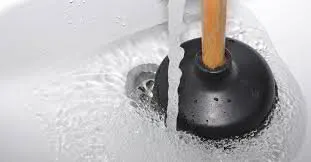
Did you know that millions of people face the frustration of clogged drains every year? If you’re one of them, learning how to unclog a drain without chemicals is a game changer. Not only can chemical drain cleaners be harsh on your plumbing and the environment, but they often come with health risks that can leave you questioning their use. Fortunately, there are simple and effective methods using common household items that can restore your drains to working order.
In this guide, we'll explore natural techniques that will help you tackle clogs, keep your plumbing in top shape, and protect the health of your home and the planet.
Understanding Drain Clogs
Clogged drains can be a headache for homeowners, especially when they disrupt daily activities. Understanding the common causes of clogs can help you prevent them from occurring in the first place.
Common Causes of Clogs
- Hair: A primary culprit, hair accumulation in toilets and shower drains often leads to blockages.
- Food Waste: Grease, coffee grounds, and other food particles can cause stubborn clogs in kitchen sinks.
- Soap Residue: Soap buildup can create a thick substance known as "soap scum" that clogs drains, particularly in the bathroom.
- Foreign Objects: Toys, dental floss, and other small items can easily get trapped in pipes.
Why Avoid Chemical Solutions
Using chemical drain cleaners can be tempting due to their effectiveness; however, there are several reasons you might want to reconsider:
- Environmental Impact: Many chemical drain cleaners contain harsh substances that can harm the environment.
- Pipe Damage: Chemicals can corrode pipes over time, leading to more extensive plumbing issues.
- Health Risks: The fumes and chemicals can pose health risks to your family, pets, and yourself.
Benefits of Unclogging Without Chemicals
It's possible to effectively unclog your drains without resorting to harsh chemicals. Consider the following advantages:
- Eco-Friendly: Natural methods minimize environmental harm.
- Cost-Effective: Many alternative methods utilize common household items.
- Safer for Plumbing: Without harsh chemicals, your plumbing is less likely to sustain damage.
Easy Methods to Unclog a Drain Without Chemicals
If you're looking for ways to tackle clogs naturally, here are some easy methods to unclog a drain without chemicals:
Boiling Water
- Simply boiling water can dissolve some clogs caused by grease or soap.
- Pour it slowly down the drain in stages for best results.
Baking Soda and Vinegar
- This combination creates a fizzy reaction that helps break down buildup inside pipes.
- Add 1/2 cup of baking soda and then 1/2 cup of vinegar. After 10-15 minutes, flush with hot water.
Salt and Baking Soda Mixture
- A mix of 1/2 cup of salt and 1/2 cup of baking soda is also effective.
- After pouring it down the drain, follow it with hot water for enhanced results.
Manual Removal Techniques
- If possible, remove the drain cover to inspect and manually clear any visible obstructions.
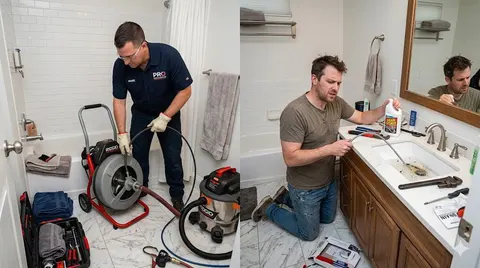
- Use tools like a hair clog remover or a simple bent wire hanger.
Wet/Dry Vacuum
- A wet/dry vacuum can be a powerful ally in removing clogs.
- Set the vacuum to liquid mode and create a seal over the drain to pull the clog out.
For more detailed drain cleaning solutions, you can visit Home Depot for tools and accessories.
Preventative Measures
It’s important to take preventative measures to reduce the likelihood of future clogs. Here are some tips you can follow:
- Regularly Clean Drains: Pour boiling water down your drain once a week.
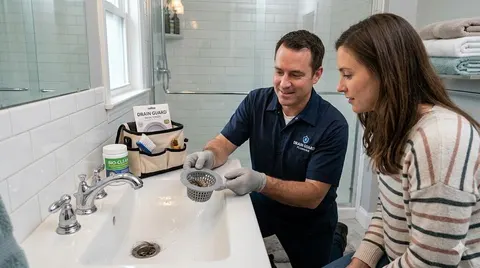
- Use Drain Strainers: Catch hair and food particles with strainers to prevent them from entering pipes.
- Educate Family Members: Make sure everyone knows what should and shouldn’t go down the drain.
When to Call a Professional
If you've tried these methods and still struggle with clogs, it might be time to consult a plumber.
Signs of deeper issues include:
- Persistent clogs despite DIY efforts.
- Unpleasant odors coming from drains.
- Slow drainage even when the clog is cleared.
By employing these chemical-free methods and maintaining your drains regularly, you can successfully manage clogs while safeguarding your plumbing system.
Preventative Measures
Taking proactive steps can significantly reduce the risk of future clogs. Here are some effective preventive measures you can implement in your home:
Regular Maintenance Tips
- Flush Drains Weekly: Pour hot water down your drains weekly to dissolve any potential buildup.
- Clean Sink Strainers: Regularly check and clean strainers from kitchen and bathroom sinks to catch debris before it enters the drain.
- Avoid Pouring Oil Down Drains: Never dispose of grease or oil in the sink, as they can solidify and create stubborn clogs.
Best Practices for Kitchen and Bathroom Drains
- In the Kitchen: Be mindful of what goes down the disposal. Always use plenty of water while running it and avoid fibrous or starchy foods that could wrap around the blades.
- In the Bathroom: Use a shower mat to catch hair and other debris before it can reach the drain. This simple step can save you from potential clogs.
By incorporating these habits into your cleaning routine, you can effectively prevent clogs, ensuring your plumbing system functions smoothly.
When to Call a Professional
While many clogs can be managed with DIY methods, it’s essential to recognize when to seek professional help. Signs indicating you may need to call a plumber include:
- Persistent Clogs: If your efforts to unclog a drain without chemicals have failed multiple times, it may signify a deeper issue within your plumbing system.
- Foul Odors: Unpleasant smells emanating from your drains can suggest rotting material or stagnant water that needs to be addressed.
- Slow Drainage: If your drains are slow even after a good cleaning, it could be an indication of a significant blockage in the pipes.
If you encounter these issues, it’s advisable to contact a professional plumber who can diagnose the problem and provide effective solutions. For reliable plumbing services, check out Roto-Rooter to find a licensed plumber in your area.
By being proactive and knowing when to seek assistance, you can maintain a healthy drainage system in your home.
Conclusion
In summary, knowing how to unclog a drain without chemicals is not only beneficial for your plumbing but also for the environment. By understanding common causes of drains getting clogged and applying a few simple methods, you can often resolve minor issues before they escalate. Here’s a recap of key points:
- Natural Methods Work: Utilizing boiling water, baking soda, vinegar, and salt can effectively tackle most minor clogs.
- Preventative Care is Crucial: Regular maintenance practices can significantly reduce the frequency of clogs. Simple habits like flushing your drains and using strainers can go a long way.
- Seek Professional Help When Needed: If home remedies are unsuccessful, don’t hesitate to call a professional to address persistent drainage issues.
For those looking to equip themselves with tools for managing plumbing problems, you can find helpful products and resources at Lowe's.
By taking these steps, you can maintain clear drains, protect your plumbing system, and contribute to a healthier environment. Make sure to incorporate these practices into your routine to enjoy a smoother flow in your home's plumbing!
Easy Methods to Unclog a Drain Without Chemicals If you find yourself grappling with a clogged drain, you don't have to resort to harsh chemicals.
There are several effective methods to unclog a drain without chemicals that utilize common household items. Here are some tried and tested techniques:
Boiling Water
One of the simplest ways to clear a clog is to use boiling water. This method is particularly effective for grease clogs.
- How to Use:
1. Boil a kettle of water.
2. Slowly pour the boiling water down the drain in stages.
3. Allow it to sit for several minutes before pouring more if necessary.
Baking Soda and Vinegar
This classic combination is excellent for breaking down organic matter due to its acidic reaction.
- How to Use:
1. Pour 1/2 cup of baking soda down the drain.
2. Follow with 1/2 cup of vinegar.
3. Seal the drain with a plug to keep the reaction contained.
4. Wait 15-30 minutes, then flush with hot water.
Salt and Baking Soda Mixture
This method helps with both clogs and odors.
- How to Use:
1. Mix 1/2 cup of salt with 1/2 cup of baking soda.
2. Pour the mixture down the drain.
3. Follow with boiling water after 30 minutes.
Manual Removal Techniques
Sometimes, physical removal is the best option.
- How to Use:
1. Remove the drain cover to access the blockage.
2. Use a drain snake or a bent wire hanger to pull out hair and debris.
3. Make sure to wear gloves for added hygiene.
Wet/Dry Vacuum
If you have a wet/dry vacuum, it can be a powerful tool for unclogging.
- How to Use:
1. Set the vacuum to liquid mode.
2. Create a tight seal over the drain.
3. Turn on the vacuum to suck out the clog.
These methods can help effectively unclog your drains without resorting to chemicals,
protecting both your plumbing and the environment. If further assistance is needed, consider seeking help from a professional plumber. For great plumbing supplies and tools, you can visit Home Depot for more information and options.
When to Call a Professional
While many clogs can be resolved with DIY methods, knowing when to call a professional is crucial to avoid further damage to your plumbing system. Here are some signs that it may be time to seek help from an expert:
Persistent Clogs
If you find that your attempts to unclog a drain without chemicals have failed consistently, this may indicate a more significant issue. Persistent clogs can result from:
- Deep blockages: Clogs that are far down in the plumbing system that cannot be addressed through conventional methods may require professional equipment.
- Corroded pipes: Older pipes might experience rust or corrosion, leading to recurring clogs that need a professional eye.
Unpleasant Odors
Foul smells emanating from your drains can signify trapped organic matter or stagnant water, which can lead to health hazards:
- Stagnant water: This can attract pests and create unsanitary conditions.
- Bacterial growth: Unpleasant odors may indicate the presence of bacteria or mold in your plumbing system.
Slow Drainage
If you notice that multiple fixtures in your home are slow to drain, it’s usually a sign of a serious issue:
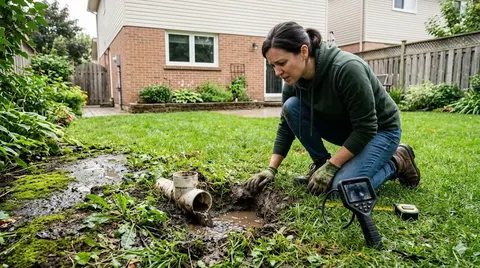
- Mainline blockage: This could indicate a blockage in your main sewer line that requires professional clearing.
- Backflow issues: Multiple slow drains may lead to backflow, which can be a health hazard.
Now what?
If you identify any of these issues, it’s time to consult with a professional plumber who has the tools and expertise to resolve these problems effectively. For reliable plumbing services, consider visiting Angie's List to find a qualified contractor in your area.
Understanding when to seek professional help can save you time and money in the long run while ensuring that your plumbing system stays in optimal condition.
Understanding Drain Clogs
Understanding the underlying causes of drain clogs is essential to effectively manage and prevent them. Knowing how to unclog a drain without chemicals begins with recognizing what typically leads to these blockages.
Common Causes of Clogs
Clogs can occur for various reasons, including:
- Hair Accumulation: Hair is a leading cause of clogs in showers and bathroom sinks.
Over time, hair can tangle and form a dense mass, blocking water flow.
- Food Waste: Kitchen sinks are often clogged by grease, coffee grounds, and food particles. When these materials accumulate, they can easily create blockages.
- Soap Scum: Soap residue can combine with oils and minerals from hard water, forming a thick buildup known as soap scum, which can obstruct drains.
- Foreign Objects: Small items such as toys, dental floss, or cotton swabs can accidentally fall into drains, creating sudden blockages.
Why Avoid Chemical Solutions
While chemical drain cleaners may seem appealing, there are several reasons to avoid them:
- Environmental Consequences: Many chemical cleaners are harmful to aquatic life and can contaminate water sources.
- Pipe Damage: Over time, harsh chemicals can weaken or corrode pipes, leading to more severe issues that may require costly repairs.
- Health Risks: The fumes from chemical cleaners can pose health risks to humans and pets, especially in poorly ventilated areas.
By understanding the common causes of clogs and the downsides of chemical solutions, homeowners can take proactive steps to keep their drains clear. Embracing natural methods not only protects your plumbing but also contributes to a healthier environment. For more information on eco-friendly cleaning products, check out Seventh Generation for safe alternatives.
What are the best natural methods to unclog a drain without chemicals?
Some of the best natural methods include using boiling water, a mixture of baking soda and vinegar, and a combination of salt and baking soda. These methods are effective for breaking down common clog materials and are safe for your plumbing.
How often should I clean my drains to prevent clogs?
To prevent clogs, it’s recommended to clean your drains at least once a month. Regular maintenance, such as pouring boiling water down the drain or using a drain strainer, can help keep your plumbing clear and functioning smoothly.
Are there any items I should avoid putting down my drain?
Yes, avoid putting grease, fibrous foods, coffee grounds, and any non-biodegradable items down your drain. These materials can build up and cause clogs over time, leading to significant plumbing issues.
Can baking soda and vinegar really clear a clog?
Absolutely! The reaction between baking soda and vinegar creates carbon dioxide gas, which helps to dislodge and break down clogs in your pipes. This method is not only effective but also safe for your plumbing system.
When should I call a plumber for a clogged drain?
If you’ve attempted to unclog a drain without chemicals using natural methods and still have persistent clogs, slow drainage, or foul odors, it’s time to call a plumber. These signs may indicate deeper plumbing issues that require professional expertise to resolve.
Safe & Simple Drain Unclogging Methods
You Can Try at Home
Dealing with a slow or clogged drain? Before reaching for harsh chemical cleaners, try these easy, eco-friendly methods that are safe for your pipes and the environment. From using a plunger and hot water flush to mixing baking soda and vinegar or employing a drain snake, you can often clear minor blockages with tools you already have at home. But if the clog keeps coming back or proves too stubborn, don’t stress—K and K Plumbing is here to help. Our expert team offers safe, professional drain cleaning services throughout the area, ensuring your plumbing flows freely without the damage chemical cleaners can cause.
Have a question about this topic? Contact K & K Plumbing or call 330-875-8003 for a free estimate.