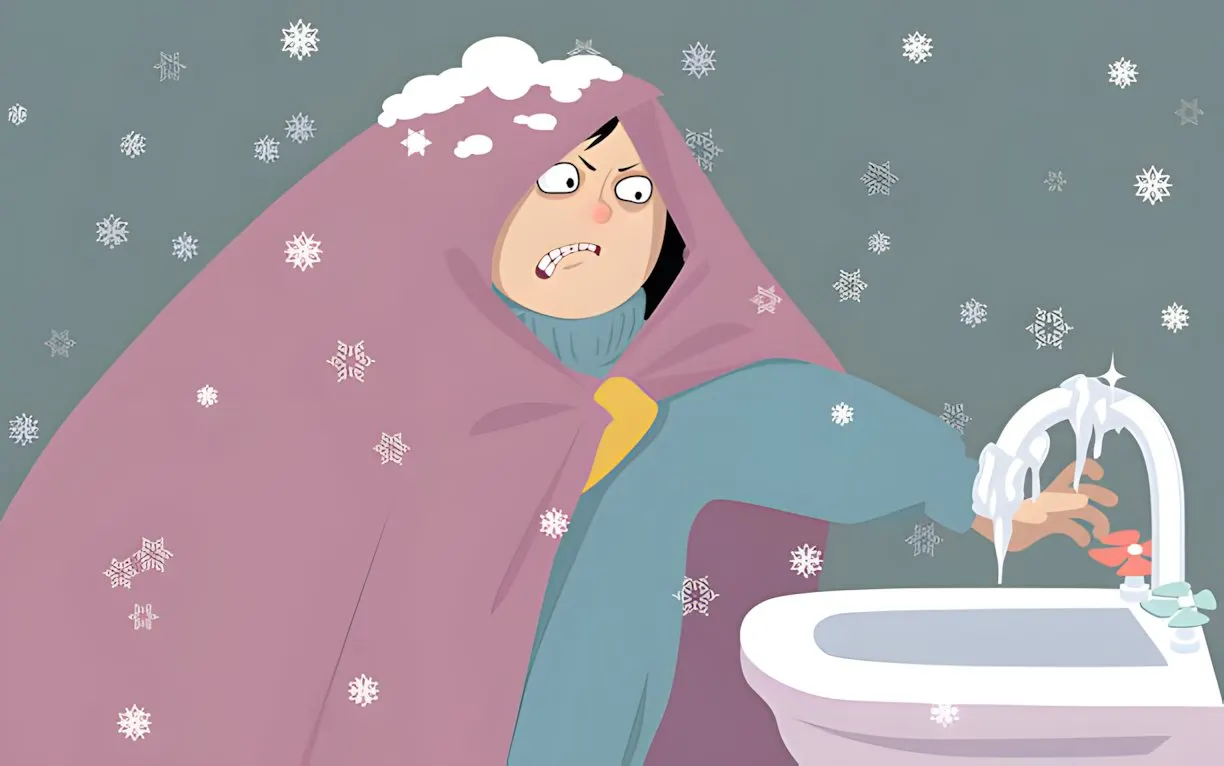
As the chilly winds of winter descend upon Ohio, homeowners often face a particular set of seasonal challenges. Among the most pressing issues is the risk of frozen pipes. Ohio’s cold winter temperatures can easily cause pipes to freeze, leading to potential blockages, costly repairs, and even serious water damage if pipes burst. This guide is designed to help Ohio homeowners understand why pipes freeze, the risks involved, and effective ways to prevent this seasonal problem. By preparing your plumbing and home in advance, you can avoid a host of problems when temperatures plummet.
Why Do Pipes Freeze?
One of the primary reasons pipes freeze is the natural expansion of water when it turns into ice. When water freezes, it expands by approximately 9%, which creates immense pressure inside pipes. This pressure can become so intense that it eventually cracks or bursts the pipe walls, especially if they are made of more rigid materials like copper or older plastic. In Ohio, where temperatures frequently dip below freezing during the winter, exposed or poorly insulated pipes are particularly susceptible to this problem.
Typically, pipes freeze in areas of the home that lack sufficient insulation, such as basements, crawl spaces, attics, garages, and exterior walls. The water in these pipes is more vulnerable to freezing when temperatures drop below 20 degrees Fahrenheit. However, in Ohio’s harsh climate, pipes can freeze even at slightly higher temperatures if they’re located in areas exposed to wind or extremely cold air drafts.
While newer Ohio homes might have more insulation around pipes, older homes often lack this critical protective barrier. This makes it even more essential to know where your pipes are, especially those running through unheated spaces. Simple changes in temperature and drafts can increase the freezing risk for any exposed plumbing.
The Risks of Frozen Pipes
Frozen pipes are more than a minor inconvenience; they can lead to significant structural damage and high repair costs. When a pipe freezes, it disrupts your home’s plumbing and brings several risks that can impact your entire property:
- Burst Pipes: When water freezes and expands, it increases pressure inside the pipe. If the pressure becomes too high, it can lead to a burst pipe, flooding your home and potentially causing thousands of dollars in water damage. Burst pipes are particularly hazardous in basements, where flooding might go unnoticed for hours or even days.
- Structural Damage: If a pipe bursts inside a wall, ceiling, or floor, the resulting flood can damage structural elements of your home. Wood, drywall, and insulation can become saturated, leading to mold growth, rot, and weakened structures. This type of damage may require extensive repairs, especially if the leak isn’t discovered quickly.
- Increased Heating Costs: To prevent pipes from freezing, some homeowners keep their heating systems running constantly. This increases utility bills, which can become a financial burden, especially during Ohio’s longest and coldest winter months. Taking proactive steps to insulate your pipes and reduce drafts can mitigate the need for constant heating.
- Mold and Mildew Growth: When water from a burst pipe seeps into walls, floors, or hidden areas, it creates the perfect environment for mold and mildew. This can be especially problematic in a cold and damp Ohio basement. Mold and mildew not only compromise your home’s structural integrity but also pose health risks, especially for those with allergies or respiratory conditions.
- Potential Health Hazards: Exposure to water damage can lead to various health concerns, particularly if mold and mildew grow unchecked. Family members with allergies or asthma may suffer more in a damp environment caused by water leakage from burst pipes. Mold spores can spread throughout the home, affecting air quality and increasing the risk of respiratory issues.
- Plumbing Disruptions and Water Loss: When pipes freeze, the water supply to parts of your home can be completely cut off. This can be highly inconvenient, especially in the morning hours when household water demand is high. In severe cases, frozen pipes may result in leaks that cause water loss and increase water bills.
Identifying High-Risk Areas in Your Home
Understanding which parts of your plumbing system are most at risk of freezing is essential for effective prevention. In most Ohio homes, certain areas are more susceptible to freezing temperatures due to inadequate insulation or exposure to outdoor air. Knowing where these high-risk areas are located can help you proactively winterize your plumbing.
- Basements and Crawl Spaces: These areas are often poorly insulated, making pipes located here particularly vulnerable. Any pipes running along uninsulated walls or floors are at high risk. Crawl spaces in Ohio homes can be especially cold due to limited access to central heating, making them one of the primary spots where frozen pipes occur.
- Exterior Walls and Unheated Spaces: Pipes that run along exterior walls, such as those in the kitchen or bathroom, are at risk if they are not well insulated. The same goes for pipes in unheated spaces like attics and garages. For instance, a garage door left open on a cold day can quickly expose pipes to freezing temperatures, increasing the chance of freezing.
- Pipes Near Openings: Pipes close to windows, vents, and other openings in the building envelope are exposed to cold drafts that can cause them to freeze. In older Ohio homes, drafty areas are common and can significantly impact indoor temperatures, leading to localized areas where pipes are more likely to freeze.
- Outdoor Faucets and Sprinkler Systems: Outdoor faucets and irrigation systems are especially prone to freezing. It’s essential to winterize outdoor water sources before temperatures drop. Ohio homeowners should consider draining outdoor faucets and shutting off water to external systems as an added layer of protection.
- Attics with Low Insulation: Uninsulated or under-insulated attics are also high-risk areas. Even though attics are above the primary living space, they can drop to freezing temperatures during the winter. Any pipes running through the attic or along attic walls should be insulated to prevent freezing.
By understanding where pipes are most at risk, you can better prepare your home to prevent freezing. The next step is implementing measures to protect these vulnerable areas, which we’ll discuss further in this guide.
Effective Preventative Measures to Avoid Frozen Pipes
Preventing pipes from freezing is an essential part of winter preparation for Ohio homeowners. With proactive steps, you can significantly reduce the likelihood of frozen pipes and the resulting damage. Here, we’ll outline various measures that you can take to winterize your home and keep your plumbing safe during the coldest months. These strategies range from simple DIY fixes to more comprehensive solutions that may require professional assistance.
Insulating Pipes
One of the most effective ways to prevent pipes from freezing is to insulate them, especially those in unheated or exposed areas of your home. Pipe insulation helps retain heat and acts as a barrier against cold air, reducing the risk of freezing.
- Pipe Sleeves and Heat Tape: Pipe sleeves are foam or rubber tubes that slip over pipes to provide insulation. They are widely available at hardware stores and are easy to install. For additional protection, consider using heat tape or heat cables, which are applied directly to the pipe’s surface and provide a steady, low-level heat to keep pipes warm. Be sure to follow the manufacturer’s instructions for safe installation, as improper use of heat tape can be a fire hazard.
- Focus on High-Risk Areas: Insulate pipes in basements, crawl spaces, attics, and along exterior walls. Ohio homeowners should pay particular attention to pipes near windows, doors, and other openings where cold air drafts can enter. Also, don’t overlook outdoor faucets and pipes connected to sprinkler systems, as these are often the first to freeze in winter.
- Consider Using Pipe Insulation Wrapping Kits: Some insulation kits provide comprehensive solutions for insulating multiple pipes throughout your home. These kits typically include pipe sleeves, heat tape, and even heating cables. They’re especially useful if you need to winterize several pipes in a short amount of time.
Seal Drafts and Improve Insulation Even with insulated pipes, cold drafts in your home can still pose a risk. By identifying and sealing areas where cold air leaks into your home, you can help maintain a warmer indoor environment, reducing the risk of frozen pipes.
- Seal Gaps Around Windows and Doors: Use caulking or weatherstripping to seal gaps around windows and doors. These small openings can allow cold air to enter, making it more difficult to keep pipes warm. In older Ohio homes, windows and doors are often a major source of drafts, so consider replacing old, drafty windows with newer, energy-efficient models if possible.
- Insulate Your Attic and Crawl Spaces: Adding insulation to your attic and crawl spaces not only helps prevent frozen pipes but also reduces energy costs by keeping your home warmer. Fiberglass and spray foam insulation are commonly used for these areas and can provide an effective barrier against cold temperatures.
- Install Insulated Covers on Outdoor Faucets: Outdoor faucets are highly susceptible to freezing. To protect them, install insulated covers that fit snugly over the faucet. These covers are inexpensive and can be found at most home improvement stores. Be sure to drain any remaining water from outdoor faucets before covering them to avoid trapped water from freezing inside the faucet.
- Close Garage Doors and Other Openings: If you have water pipes running through your garage, keeping the garage door closed during cold weather is crucial to prevent freezing. Similarly, seal any small openings around plumbing fixtures or electrical outlets on exterior walls, as these can let in cold air.
Keep the Heat On and Regulate Indoor Temperatures Keeping your home warm is another fundamental way to prevent pipes from freezing. Even if you plan to be away during the winter months, it’s important to maintain a minimum level of heat inside your home.
- Maintain a Consistent Temperature: Set your thermostat to no lower than 55°F, even if you’re leaving for an extended period. Consistent heating prevents areas of your home from dropping below freezing and helps keep pipes from freezing. In Ohio, winter temperatures can be unpredictable, so setting the thermostat at this level can save you from unexpected freezing.
- Open Cabinet Doors: Opening cabinet doors under sinks in the kitchen and bathroom allows warm air to circulate around the pipes. This simple step can help keep exposed pipes in these areas warm, especially in kitchens and bathrooms located against exterior walls.
- Use Space Heaters in Cold Spots: If certain areas of your home are prone to cold drafts, consider using a space heater in these spots to maintain a warmer environment. Be cautious with space heaters, though—keep them away from flammable materials and never leave them running unattended.
- Install a Smart Thermostat: Smart thermostats allow you to monitor and adjust your home’s temperature remotely. This can be especially helpful if you’re away during cold spells, as you can ensure the temperature stays warm enough to prevent frozen pipes.
Draining and Winterizing Outdoor Faucets and Irrigation Systems Outdoor plumbing is particularly vulnerable to Ohio’s winter temperatures, so it’s essential to properly winterize any outdoor faucets or irrigation systems before the first freeze hits.
- Drain Outdoor Faucets: Shut off the water supply to outdoor faucets and drain any remaining water by opening the faucet. This will ensure no water is left to freeze within the pipes, which could otherwise lead to a rupture. Once drained, cover outdoor faucets with insulated covers to protect them from cold air.
- Winterize Sprinkler Systems: Sprinkler systems need to be drained or blown out before winter to prevent water from freezing inside. Ohio homeowners can either use the manual drain, automatic drain, or blowout method, depending on the type of sprinkler system installed. It’s often recommended to have a professional handle this process, as improper winterization can damage the sprinkler lines and components.
- Disconnect and Store Garden Hoses: Leaving hoses attached to outdoor faucets during the winter can cause water to back up into the faucet, increasing the risk of freezing. Disconnect, drain, and store all garden hoses in a garage or shed to keep them safe from freezing temperatures.
Install Frost-Proof Outdoor Faucets For Ohio homeowners who frequently deal with frozen outdoor faucets, installing frost-proof or freeze-resistant faucets may be a wise investment. These faucets have a valve mechanism that shuts off the water supply well inside the home, where temperatures are warmer, making them much less likely to freeze. Although they may cost more than standard faucets, frost-proof faucets can save you from costly repairs and potential water damage.
Let Faucets Drip During Extreme Cold In cases of extreme cold, keeping your faucets dripping can help prevent pipes from freezing. Allowing a small trickle of water to flow through the pipes keeps water moving, which reduces the likelihood of freezing. This strategy is especially useful for faucets connected to pipes running through unheated areas or exterior walls.
- Focus on High-Risk Faucets: Target faucets connected to pipes in basements, crawl spaces, or exterior walls. A slow drip from these faucets can help relieve pressure buildup within pipes if freezing does occur, which can prevent them from bursting.
- Use Cold and Hot Water Faucets: If possible, let both cold and hot water trickle, as this helps keep both sides of the plumbing system active and reduces the risk of freezing in both cold and hot water pipes.
Know the Location of Your Main Shut-Off Valve
In case of a plumbing emergency, such as a burst pipe, knowing the location of your main shut-off valve is critical. Shutting off the water supply quickly can prevent extensive water damage. For Ohio homeowners, it’s wise to familiarize yourself with the shut-off valve location and ensure that every member of your household knows how to access it in case of an emergency.
- Practice Turning It Off and On: Locate your main water shut-off valve, which is often found in the basement or near the water meter. Make sure the valve is functional, as older valves can sometimes become difficult to operate. Practice turning it off and on a few times so that it’s easy to do in case of an emergency.
- Consider Installing an Emergency Shut-Off System: Some homeowners install emergency shut-off systems that automatically detect leaks and shut off the water supply. These systems can provide peace of mind, particularly for those who travel frequently or own a second home in Ohio.
By implementing these preventative measures, Ohio homeowners can significantly reduce the risk of frozen pipes during winter. In the next section, we’ll discuss how to handle frozen pipes and what to do if they burst, ensuring you’re fully prepared for any situation.
What to Do If Pipes Freeze or Burst
Thawing Frozen Pipes If you suspect a pipe has frozen but has not burst, take immediate action to thaw it carefully.
- Locate the Frozen Section: Identify the part of the pipe that’s frozen. It’s often in areas exposed to cold, like basements, attics, or exterior walls.
2. Use Safe Thawing Methods: Apply gentle heat to the frozen section using a hairdryer, heating pad, or warm towels. Never use an open flame or high-heat device, as this can damage the pipe or even start a fire.
3. Open the Faucet: Open the faucet connected to the frozen pipe. This will allow water to flow once it starts to thaw, helping to relieve pressure and reduce the risk of bursting.
Handling a Burst Pipe A burst pipe requires immediate action to minimize water damage.
1. Turn Off the Water Supply: Locate the main shut-off valve and turn it off to stop water flow. This will prevent further flooding and limit damage to your home.
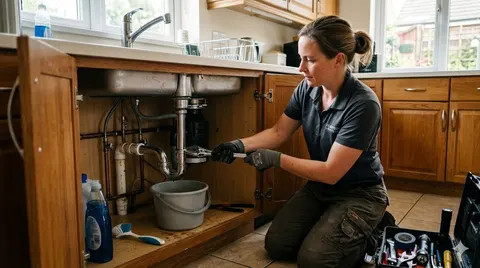
2. Call K & K Plumbing: Contacting a licensed plumber immediately is essential. K & K Plumbing’s professionals are trained to handle emergency situations swiftly and effectively, ensuring that any repairs are done thoroughly and that the affected area is dried out to prevent mold and water damage.
3. Remove Water and Dry the Area: Use towels, a wet/dry vacuum, or fans to remove standing water and dry out the area. The quicker you can dry the space, the less chance there is for long-term damage.
When you call K & K Plumbing, you can trust that our team will be prompt, reliable, and thorough. With years of experience in handling winter plumbing challenges specific to Ohio, we’re well-equipped to get your home back to normal quickly.
Plan for Long-Term Prevention
If you've dealt with frozen or burst pipes, consider additional preventative upgrades to protect your home in future winters.
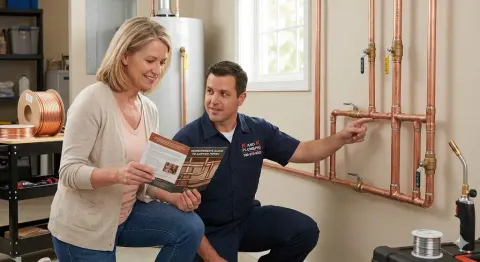
- Invest in Professional Insulation: Consider having a professional insulate high-risk pipes and areas, especially if you've had repeated issues in certain parts of your home.
- Install a Leak Detection System: Leak detection systems can alert you to issues in real time, helping you catch minor leaks before they escalate into major problems.
- Schedule Regular Plumbing Maintenance: Regular inspections by a plumber can catch potential vulnerabilities before they lead to freezing or bursting, saving you time, money, and stress in the long run.
By understanding how to prevent frozen pipes and knowing what steps to take in an emergency, Ohio homeowners can better protect their properties and avoid costly repairs. With a little preparation, you can enjoy peace of mind throughout the winter, knowing your home’s plumbing is ready for whatever the season brings.
Why Choose K & K Plumbing?
Ohio winters can be unpredictable, but your plumbing doesn’t have to be. With K & K Plumbing, you get more than just a plumbing service; you get a dedicated partner committed to keeping your home safe and comfortable all year round. Our expertise in handling winter plumbing issues, combined with our responsive service and genuine care for our clients, makes us the trusted choice for Ohio homeowners.
Whether it’s a minor freeze or a burst pipe emergency, trust K & K Plumbing to be there when it matters most. We’ll help you navigate the cold months with confidence, knowing that your plumbing system is in the best hands.
Schedule your Plumbing inspection today!Have a question about this topic? Contact K & K Plumbing or call 330-875-8003 for a free estimate.