
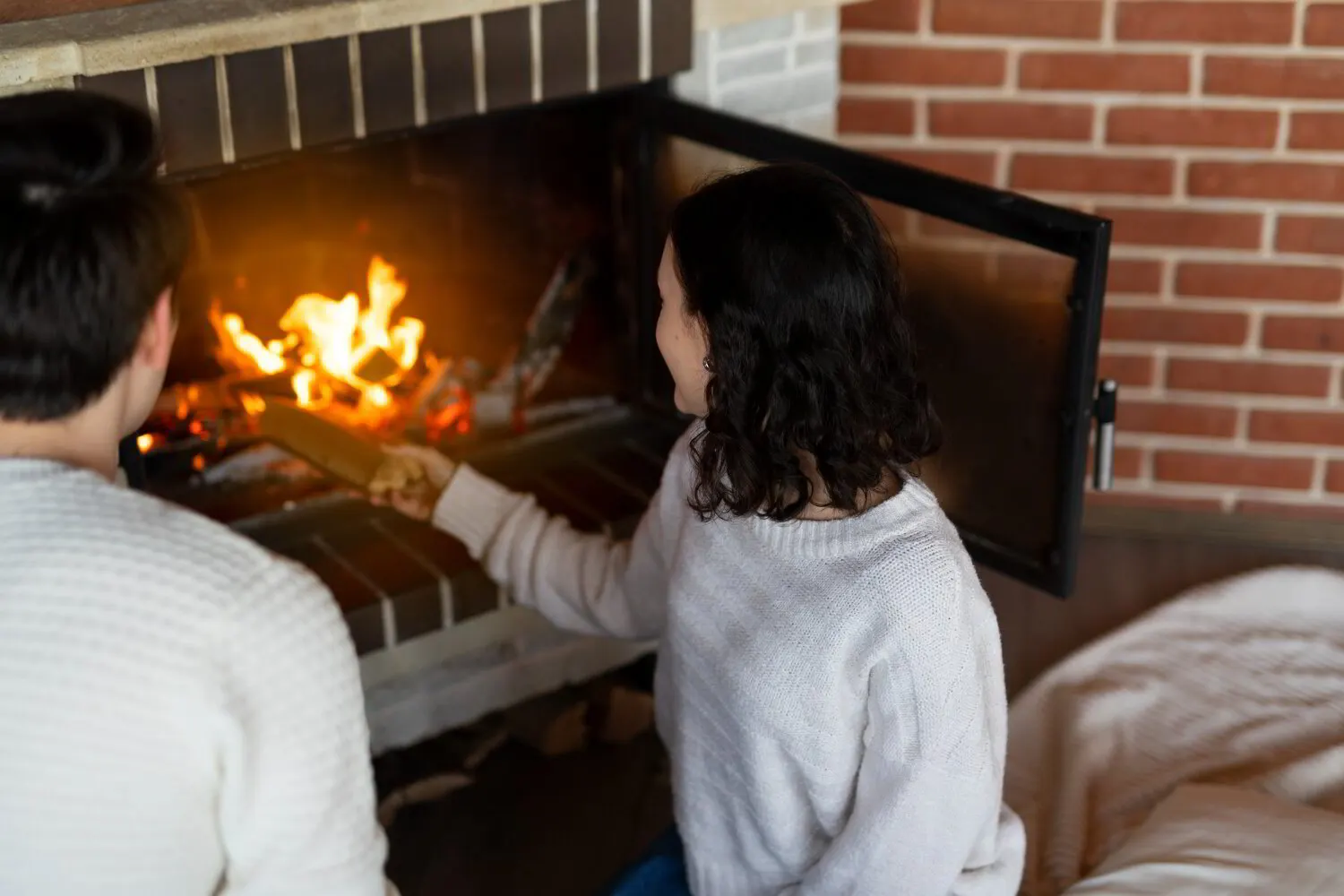
Converting Canton's Older Brick Fireplaces to Gas Logs
Many Canton houses were built when a coal or wood fireplace was standard, and plenty of those hearths have sat cold for decades. A gas log set can bring one back into use, but in an older home the firebox and chimney deserve a close look before any gas is piped in. K & K Plumbing works from East Canton, about 5 miles away, and handles the whole conversion from inspection to first light.
Why Older Canton Fireplaces Need a Closer Look First
Neighborhoods across Canton are full of early twentieth-century brick homes, foursquares and bungalows with original masonry fireplaces. Those fireplaces were built well, but nearly a century of freeze-thaw cycles, wood smoke and settling takes a toll. Mortar joints wash out, firebrick cracks, and clay flue tiles can split where nobody can see them from the hearth.
A gas fire is gentler on masonry than wood, but vented logs still send hot combustion gases up the flue. If those gases find a crack, they can reach framing or seep into upstairs rooms. That is why we start every Canton conversion by looking at the fireplace as a system, not just a box for logs.
- Firebrick that is cracked, spalled or missing pieces
- Mortar joints you can scrape out with a fingernail
- A damper plate that is rusted shut or warped
- Water stains on the hearth or smoke face after rain
- No record of a chimney sweep in years
Sorting Out the Chimney Before the Gas Goes In
We are plumbers and gas fitters, not masons, so when a chimney needs relining or tuckpointing we will say so plainly and you can bring in a chimney professional before we return. What we check is whether the flue is open, whether the damper moves freely and seals, and whether the firebox floor and walls are sound enough to hold a burner pan.
Some older Canton homes already have a capped gas stub inside or beside the fireplace from an earlier set of logs or a coal-grate gas lighter. We do not assume an old stub is usable. We trace where it comes from, check the pipe material and size, and pressure-test it. Often it is cleaner to run a new branch than to trust a line nobody has looked at in fifty years.
Vented Logs Are Usually the Fit for These Homes
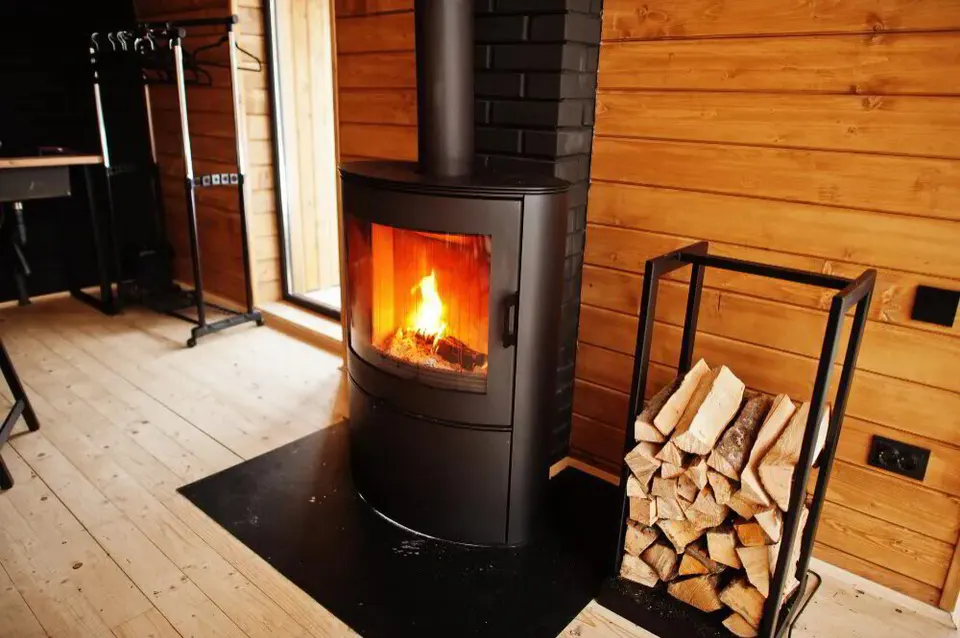
In a large, older living room with a working chimney, vented gas logs are the common choice. They give the tall, wood-like flame that suits a traditional brick hearth and they do not add moisture to rooms that may already have plaster walls and original woodwork.
Because vented logs require the flue to stay open, we install a damper clamp or stop that keeps the damper from closing all the way. You will lose some warm air up the chimney when the fire is off; glass doors that are kept open while burning and closed afterward can help with that, as long as the log maker allows them.
Vent-free logs can work in some Canton homes, especially smaller rooms where heat matters more than flame height, but we look at room size and use before suggesting them.
Running the Line and Setting the Key Valve
Most of these houses have a full basement, which makes routing straightforward. We tie into the house gas piping, run a properly sized branch up through the floor near the hearth, and bring it into the firebox through the side wall or floor with a sleeve so the pipe never sits directly in mortar.
For a match-lit set, the control is a key valve mounted on the wall or floor just outside the fireplace opening, finished with a brass, black or chrome trim plate to match the hearth. Safety-pilot and remote sets use a control valve under the burner instead. If your basement piping is old or undersized, our Canton gas line repair team can correct it during the same project.
Placing the Logs and Testing the Fire
Each log set comes with a diagram for a reason. Logs that sit over burner ports or too close together break up the flame and cause soot to collect on the logs and the brick face. We set each piece where it belongs, spread the sand or vermiculite base and add glowing embers, then light it and watch the flame for several minutes.
Before we leave, every new fitting is leak-tested and we show you how to light, adjust and shut off the set. For an overview of the options beyond Canton, see our Stark County gas log guide.
Why choose K&K Plumbing?
Integrity is the cornerstone of K & K Plumbing. We keep our promises, and these are the commitments we make on every job:

To stay on top of your project from start to finish, ensuring complete satisfaction.

To set and meet all deadlines for the duration of the entire project.

To protect and prepare your home before and during all work.

To protect and prepare your home after every plumbing project.

To accurately price your job so your project is free from hidden costs.
Frequently Asked Questions
My Canton house has a fireplace that was boarded up. Can it take gas logs?
Often, yes. Once the board comes off we check the damper, flue and firebox. If the masonry is sound and the chimney draws, a vented log set is usually possible. If repairs are needed, we will tell you before anything is ordered.
What happens to the ash dump door in the firebox floor?
With gas logs you no longer need it. We make sure it closes tightly or can be sealed so the burner pan sits flat and drafts from the ash pit below do not disturb the flame.
Can a coal-burning fireplace opening take a gas log set?
Shallow coal fireplaces are common in older homes and can be tight for standard log sets. We measure depth carefully; some manufacturers make shallow sets designed for these openings.
Will you also fix the old gas line in my basement?
If we find corroded or undersized pipe feeding the fireplace branch, we can replace it as part of the job. We will show you what we found and include it in the estimate.
Do I need a chimney sweep even if I never burned wood there?
If the flue has been unused for years, yes. Bird nests, fallen debris and old soot can block it, and vented logs depend on a clear path for combustion gases.
Request a free estimate
Tell us what's going on and we'll get back to you to schedule a time. Free estimates and consultations.
- Licensed, insured & bonded plumbers
- Clean, respectful job sites
- Fair, upfront pricing
- Emergency leak containment
Need help right now? Call 330-875-8003

Enjoy the reliable plumbing your home and family deserve with K and K Plumbing
We prioritize your satisfaction by delivering quality plumbing solutions tailored to your needs, carried out with precision, professionalism and dedication to excellence.
Start Your Free Quote Call 330-875-8003