Gas Log Sets for Existing Fireplaces Across Stark County
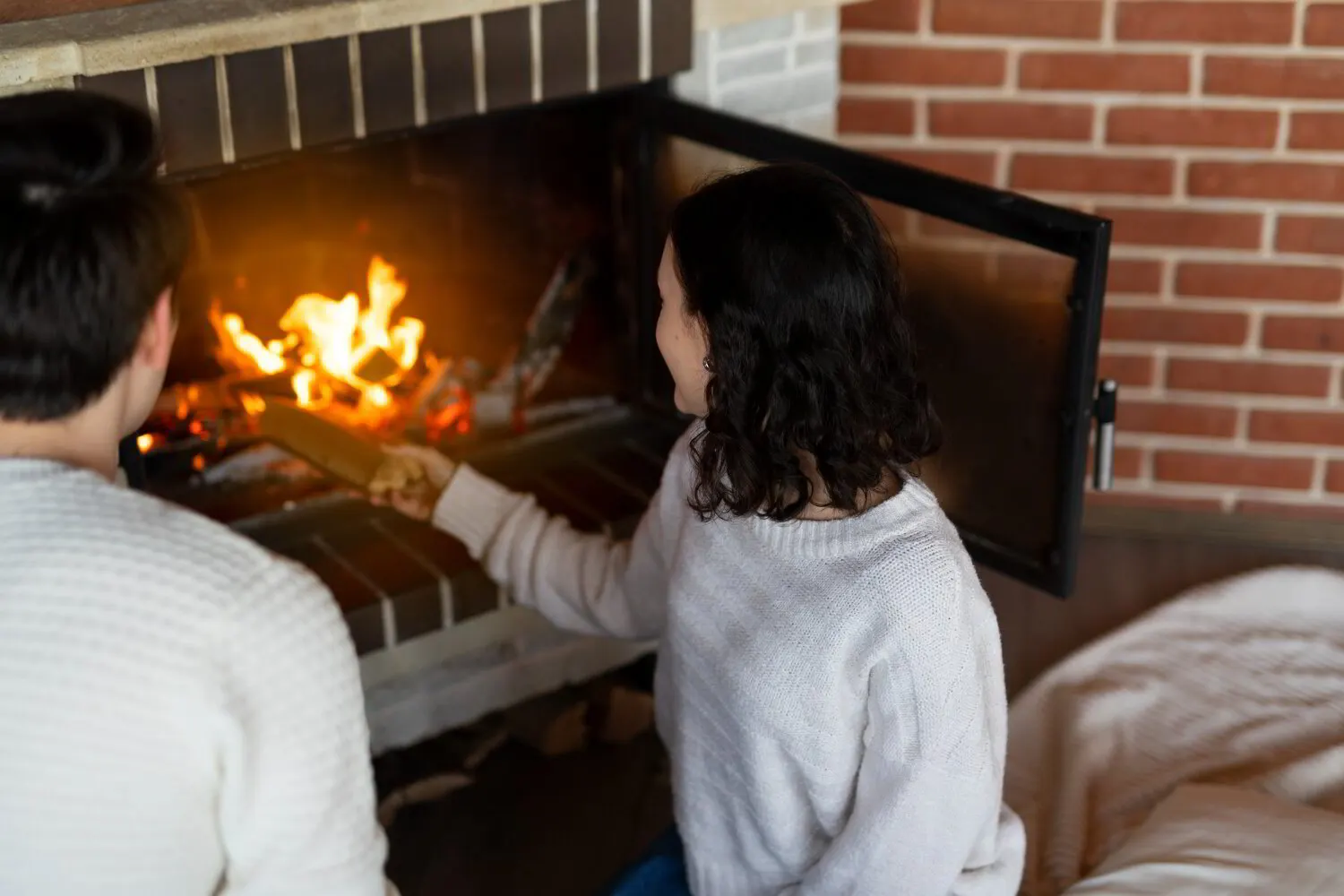
A gas log set turns the wood-burning fireplace you already have into one that lights with a key or a remote, with no splitting, hauling or ash cleanup. K & K Plumbing handles the gas side of that conversion for homes and businesses throughout Stark County: running the supply line to the firebox, setting the key valve, fitting the burner and placing the logs so they burn clean. If you would rather replace the whole hearth with a sealed unit, that is a different project covered on our gas fireplace installation page.
A gas log set is not one part. It is a burner pan, a grate, a set of ceramic or refractory logs, ember material and a control system, all fed by a gas line that has to reach the inside of a masonry firebox. Most of the skill in the job is in the pieces you never see once the logs are sitting pretty.
On a typical conversion we confirm the fireplace is suitable, size the log set to the firebox, extend gas piping from the nearest suitable point in the house, bring it through the masonry in a protected sleeve, and install a shutoff the homeowner can reach without crawling into the hearth. Then the burner goes in, the logs and embers are placed to the manufacturer's diagram, and every joint is leak-tested before the first flame.
Fireplace and chimney suitability check before anything is ordered
Gas line extension from the meter side or an existing branch, sized for the added load
Wall or floor key valve with a trim plate, or a control valve for safety-pilot and remote sets
Damper clamp or stop on vented installations so the flue can never be fully closed
Burner, grate, logs, embers and glowing media set to the layout diagram
Leak test, flame check and a walkthrough of lighting and shutdown
Vented vs. Vent-Free Logs: The First Decision
Vented gas logs produce tall, yellow, lazy flames that look closest to a wood fire. They need the chimney flue open whenever they burn, so most of their heat goes up and out. Think of them as a decorative fire that takes the chill off rather than a heater.
Vent-free logs burn hotter and more completely, with smaller, bluer flames, and are built to be used without an open flue. Almost all of their heat stays in the room. In exchange they add water vapor and some odor to the air, they rely on an oxygen depletion sensor to shut down if room air gets stale, and they are sized against room volume. Manufacturers limit how long they should run at a stretch, and some rooms, bedrooms in particular, are often not appropriate for them.
Neither choice is right for every house. We walk through how you plan to use the fireplace, the size and layout of the room, and the condition of the chimney before recommending one.
Signs Your Fireplace Is Ready for Gas Logs
Most people call us after a winter of hauling wood or after a chimney sweep tells them the flue needs attention. A gas conversion can make sense when you want the look of a fire without the work, but the fireplace has to be a candidate first.
You rarely use the fireplace because building and tending a fire is a chore
Smoke rolls into the room on still days, or the firebox is stained from years of wood fires
The house already has natural gas or propane service with capacity to spare
An older gas log set has crumbling logs, a weak pilot or no safety shutoff
You are listing the house and want a working, clean-looking hearth
When gas logs are the wrong fit
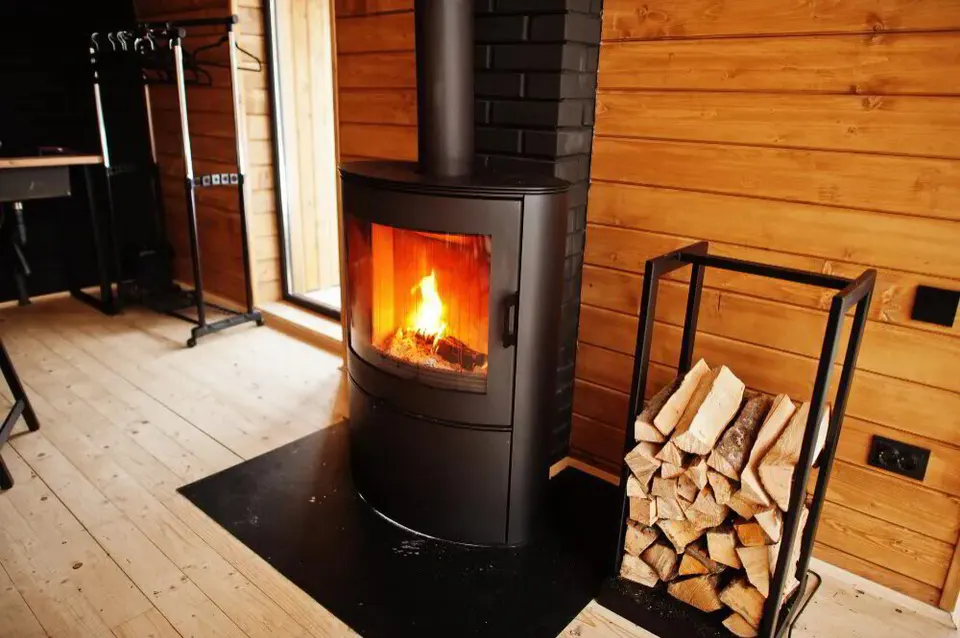
Cracked firebrick, loose mortar, a damaged flue liner or a chimney that has never drawn well should be repaired before any gas appliance goes in. Factory-built metal fireplaces only accept a log set if the fireplace maker lists it for gas use. If you want real heat with the doors closed, a sealed direct-vent unit may serve you better than logs.
Homes and Commercial Spaces Have Different Needs
In houses, the questions are usually about looks, convenience and which room the fireplace serves. A family room fireplace that runs most winter evenings is a different case from a formal living room hearth that gets lit on holidays.
Restaurants, offices, event spaces and lodges often keep an existing masonry fireplace as a focal point. Those settings put more weight on reliable ignition, controls that staff can operate safely, clear signage for the shutoff and a maintenance schedule that keeps the burner clean through heavy use. We plan the valve location and ignition type around who will actually be operating the fire.
Our Process From Estimate to First Flame
Every job starts with a free estimate. We measure the firebox front width, back width, depth and height, look at the damper and flue, find where gas can be brought in, and check that the existing meter and piping can carry the new appliance along with the furnace, water heater and anything else on the line.
Once you approve the specifications, we schedule the install. The gas line work, valve and burner are done first, then the logs go in. We finish with a quality inspection: a leak test on every new joint, a check of flame pattern and pilot, and a demonstration so everyone in the house knows how to light and shut off the set. If the job also needs a longer run of pipe, our natural gas line service or propane line work covers that piece under the same visit when possible.
Log Materials, Burners and Ignition Options
Beyond the logs themselves, you choose a burner style, ember material such as sand, vermiculite or rock wool glowing embers, and sometimes lava rock to fill the pan. Burner size has to suit both the firebox and the gas supply.
Log materials
Ceramic fiber logs are light, heat quickly and glow well. Refractory cement logs are heavier, hold fine bark detail and stand up to years of handling during cleanings. Both come in oak, birch, split-wood and driftwood styles.
Ignition and controls
Match-lit sets use a simple key valve and a match or long lighter. Safety-pilot sets add a standing pilot with a thermocouple or thermopile that cuts the gas if the flame goes out, and many can take a remote or wall switch. Electronic ignition options light on demand without a standing pilot. Propane and natural gas use different orifices and regulators, so the set must be ordered or converted for your fuel.
Preparation and Ongoing Care
Before installation day, have the chimney swept and inspected if it has burned wood recently. Clear the hearth and the path to it, and let us know where pets and children will be. Creosote left in the flue is still a fire hazard even after you stop burning wood.
After installation, a yearly check keeps the set burning clean. We vacuum dust and loose embers, clear burner ports, look over the pilot assembly, reset any logs that have shifted and inspect for soot, which usually means a log is in the wrong spot. Homeowners on our Residential Plumbing Maintenance Agreement can fold that inspection into their annual visit. Keep a working carbon monoxide alarm on the same floor as the fireplace either way.
Gas Log Installation near you
Local pages for the communities we serve most often.
Integrity is the cornerstone of K & K Plumbing. We keep our promises, and these are the commitments we make on every job:
To stay on top of your project from start to finish, ensuring complete satisfaction.
To set and meet all deadlines for the duration of the entire project.
To protect and prepare your home before and during all work.
To protect and prepare your home after every plumbing project.
To accurately price your job so your project is free from hidden costs.
How it works
It should be easy to get the results you want
Estimate
Connect with us to set up an appointment
Reach out and we respond promptly. We listen to what you need, assess your plumbing, and walk you through your options so the estimate is accurate and fair.
Specifications
Approval of project specifications
Every job is planned around your home’s layout and condition, your goals and your budget. Nothing starts until you’ve approved the plan.
Work + inspection
Building your project + quality inspection
Our plumbers work efficiently and carefully, then inspect the finished job so you get a reliable, durable result.
Frequently Asked Questions
Can I install gas logs in a fireplace I still burn wood in?
Not at the same time. Once a gas log set is in place, the firebox should not be used for wood. We have the flue cleaned and inspected first, then convert it to gas only.
Why do vented logs need a damper clamp?
A vented set sends its combustion gases up the chimney. If the damper were closed while the burner ran, those gases would spill into the room. A clamp or stop holds the damper partly open permanently so it cannot be shut by accident.
Do gas logs work during a power outage?
Match-lit sets and standing-pilot sets with a thermopile do not need household power, so they keep working. Sets with electronic ignition need power or battery backup to light.
Which areas outside Stark County do you cover for gas log work?
We regularly work in Summit County communities and in parts of Portage, Carroll, Columbiana, Mahoning and Tuscarawas Counties. Contact us with your address and we will confirm.
How long does a typical gas log conversion take?
When the chimney is ready and gas is close to the fireplace, the install itself is usually a single visit. Longer pipe runs, masonry drilling through thick walls or fuel conversions can add time, and we will tell you up front during the estimate.
Save more today
K & K Plumbing Residential Plumbing Maintenance Agreement
An affordable way to keep your plumbing in top shape, cut down on surprise repairs and extend the life of your equipment.
Enjoy the reliable plumbing your home and family deserve with K and K Plumbing
We prioritize your satisfaction by delivering quality plumbing solutions tailored to your needs, carried out with precision, professionalism and dedication to excellence.